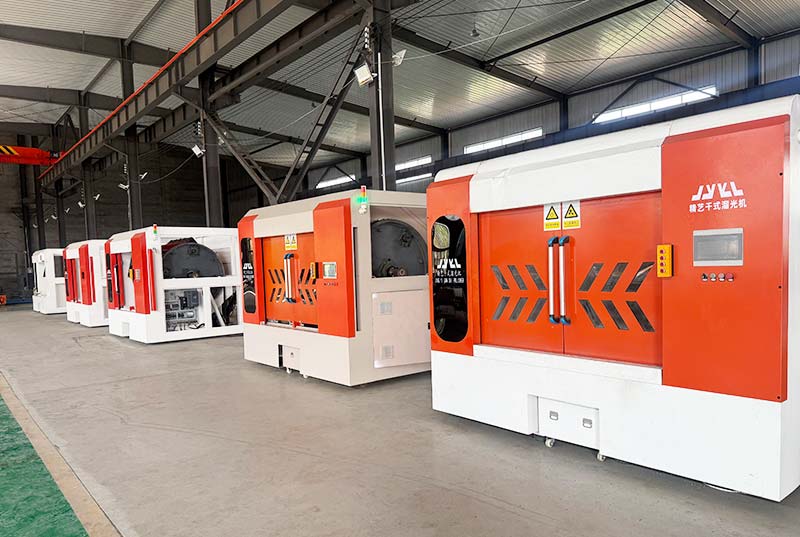
Surface finishing rarely gets attention at the beginning of a production project, yet it often decides whether a product is accepted, rejected, or considered premium. In many factories, the polishing stage is where precision either holds up or falls apart.
A metal polishing machine is not just a finishing tool—it is a production control point. It defines how consistent, how clean, and how refined a metal surface becomes before it reaches the end user.
This guide takes a practical, manufacturing-side view of how these systems are actually used on the shop floor, what matters in real production conditions, and how different setups behave when scale, material, and quality requirements start to vary.
Table of Contents
Why Metal Polishing Machines Became a Core Part of Modern Production
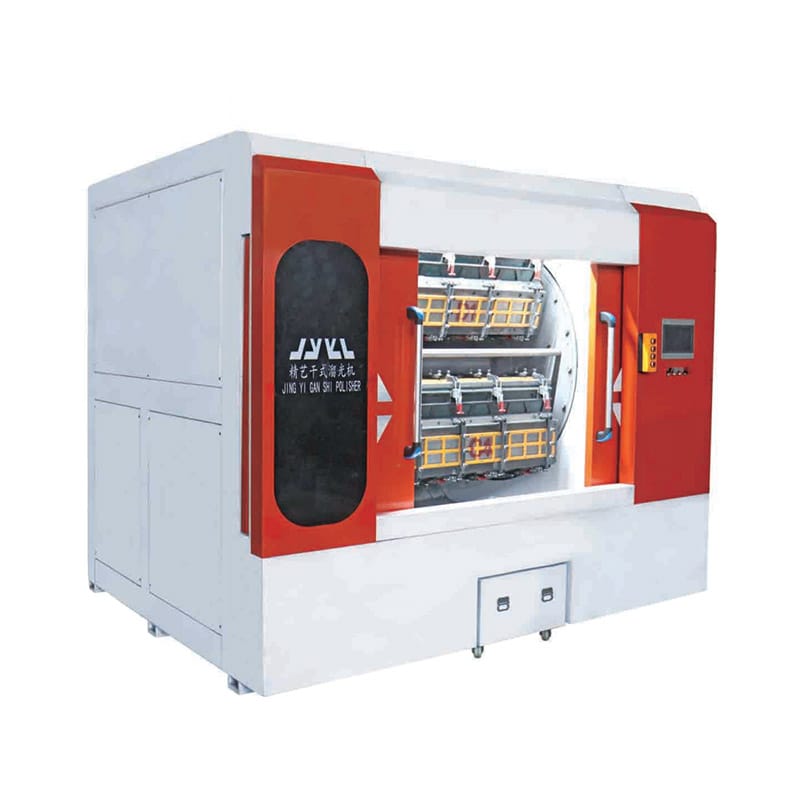
In small-scale workshops, polishing was once handled manually. Skilled workers could achieve good results, but the process depended heavily on experience, fatigue levels, and time constraints.
That approach doesn’t hold up in modern production environments.
Today’s manufacturing demands:
- consistent surface quality across thousands of parts
- predictable finishing cycles
- compatibility with automated production lines
- reduced dependency on manual skill variation
This is where metal polishing machines quietly became essential infrastructure rather than optional equipment.
In most industrial setups, polishing is no longer treated as a separate craft. It is built directly into the production workflow.
What Actually Happens During Metal Polishing (Beyond the Surface Explanation)
On paper, polishing looks simple: abrasion smooths the surface until it becomes refined. In practice, the process is a controlled balance between pressure, speed, material behavior, and abrasive interaction.
A typical industrial cycle includes:
- removal of surface irregularities (scratches, oxidation, weld marks)
- progressive refinement using multiple polishing stages
- stabilization of surface texture consistency
- final finishing adjustment depending on required appearance
What matters most is not “shiny or not shiny,” but how uniform the surface behaves under light reflection and physical inspection.
A stable system produces repeatable results. An unstable one produces variation—even if the same operator and material are used.
Machine Structures You’ll Commonly See in Industrial Settings
Not all polishing machines are designed for the same job. In actual factories, selection is usually based on geometry, material type, and production flow.
Instead of a strict classification, it is more useful to think in functional groups:
Continuous surface systems
Used for pipes, sheets, and long components. These systems are designed for uninterrupted feeding and stable finishing cycles.
Station-based polishing setups
Used for fixed-position components where the part remains stationary while polishing heads move across it.
Programmable finishing systems
These systems allow controlled movement paths and are typically used when shape complexity becomes a factor.
High-gloss finishing systems
Focused on final appearance rather than material removal, usually used in decorative or visible applications.
Each structure solves a different production constraint. The “best” system is always dependent on workflow, not specification sheets.
The Components That Actually Determine Performance (Not Just Specifications)
Two machines can look similar externally but behave completely differently in production. The difference usually comes from internal structure and control stability.
Key elements that matter in real operation:
Drive stability
If torque output fluctuates, surface quality will also fluctuate. This is one of the most common hidden causes of inconsistent finishing.
Polishing interface design
Wheels, belts, or abrasive heads determine how energy is transferred to the surface. Small changes here often have large effects on output quality.
Structural rigidity
Vibration is one of the main reasons for surface defects. A stable frame is not optional in precision polishing.
Control response
Modern systems rely on controlled pressure and speed adjustments. Lag or inconsistency in control leads directly to uneven finishing patterns.
What looks like a mechanical process is actually a controlled interaction system.
Where Metal Polishing Machines Are Actually Used (In Real Production Lines)
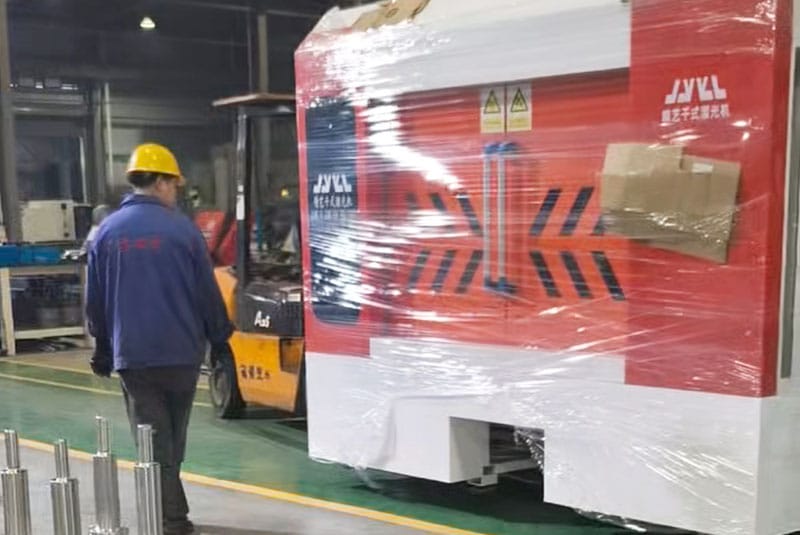
Instead of listing industries in isolation, it is more accurate to look at usage patterns.
High-consistency surface industries
These require identical finishes across large batches:
- pipe and tube processing
- sheet metal fabrication
- structural metal components
Functional performance industries
Here, surface finish affects performance:
- automotive components
- mechanical assemblies
- industrial fittings
Precision-critical industries
Small surface defects matter significantly:
- aerospace components
- medical equipment parts
- precision hardware
Appearance-driven production
Surface reflection and texture define value:
- architectural metalwork
- decorative components
- consumer-facing hardware
In each case, polishing is not cosmetic—it is part of product definition.
Manual vs Automated Polishing: The Shift That Changed Production Flow
Manual polishing still exists, but its role has changed. It is now mostly limited to small batches or specialized finishing tasks.
The shift toward automation happened for practical reasons:
Manual limitations:
- inconsistent finishing between operators
- slower cycle time under large volume
- difficulty maintaining uniform standards
Automated system advantages:
- stable repetition across production runs
- integration with upstream and downstream processes
- reduced variability in surface quality
In most medium to large-scale factories, automation is no longer an upgrade—it is a requirement for process stability.
Choosing a Suitable Polishing System Without Overengineering the Decision
One common mistake in equipment selection is focusing too much on machine capability rather than production reality.
A more practical selection approach looks like this:
- what material is being processed daily
- how many units pass through per cycle
- what level of surface finish is actually required
- whether production is continuous or batch-based
- how much process variation can be tolerated
A good system is not the most complex one. It is the one that matches production rhythm without forcing process changes.
Why Manufacturing Source Matters More Than Most Buyers Expect
In industrial equipment, especially surface finishing systems, the origin of the machine often affects long-term performance more than initial appearance.
Working directly with a manufacturing source typically allows:
- alignment with specific production requirements
- adaptation to different material behaviors
- better system integration options
- more consistent technical support during operation
In real production environments, equipment is rarely used exactly as originally planned. Flexibility and adaptability often matter more than initial configuration.
Maintenance Reality: What Keeps Machines Stable Over Time
Most polishing issues do not appear suddenly. They develop gradually due to wear patterns and unnoticed changes in system behavior.
Key maintenance focus areas:
- abrasive condition monitoring
- alignment stability checks
- vibration tracking
- debris and residue management
- mechanical wear inspection
In practice, the goal is not just to “fix issues,” but to prevent small deviations from becoming production defects.
Where Metal Polishing Technology Is Heading Next
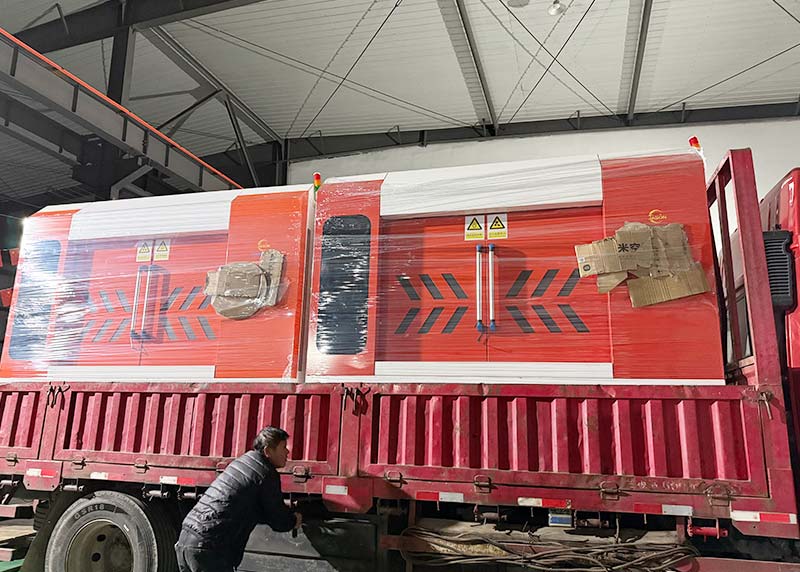
The direction of development is less about mechanical power and more about control intelligence.
Current trends include:
- tighter process control integration
- adaptive pressure adjustment systems
- robotic-assisted finishing operations
- real-time surface monitoring concepts
- energy-optimized machine design
The underlying shift is simple: polishing is becoming a controlled data-driven process rather than a purely mechanical operation.
Conclusion
A metal polishing machines plays a far more technical role in manufacturing than its name suggests. It sits between raw material processing and final product definition, influencing both performance and appearance outcomes.
What matters most in real production is not how advanced a machine looks on paper, but how consistently it performs under continuous operation, varying materials, and changing production demands.
For manufacturers, the real focus is stability—stable finishing, stable integration, and stable output over time. That is where production efficiency is truly gained.
FAQ
What is a metal polishing machines used for?
A metal polishing machines are used to remove surface imperfections such as scratches, oxidation, and weld marks, creating a smoother and more uniform metal finish for industrial or decorative applications.
What materials can be processed with metal polishing machines?
These machines are commonly used for stainless steel, aluminum, carbon steel, and other metal alloys. The exact results depend on the polishing system and abrasive tools used.
What is the difference between manual and automatic metal polishing machines?
Manual machines rely on operator skill, while automatic systems provide consistent pressure, speed, and movement, ensuring higher efficiency and more uniform surface quality in mass production.
How do I choose the right metal polishing machine for my factory?
The selection depends on production volume, material type, required surface finish, and automation level. Industrial production usually benefits from automated or CNC-controlled systems for stability and efficiency.
How often does a metal polishing machine need maintenance?
Maintenance frequency depends on usage intensity, but regular inspection of abrasive tools, mechanical parts, and control systems is essential to maintain stable performance and avoid production defects.