When it comes to metal fabrication, the edge is everything—literally. A perfectly beveled metal edge can make the difference between a strong, precise weld and a project full of weak points. That’s why choosing the right metal bevel machine is crucial for any workshop, whether you’re handling steel plates, stainless pipes, or aluminum sheets.
This guide isn’t just about listing machine types—it’s about helping you make an informed choice that boosts efficiency, precision, and long-term reliability.
Table of Contents
Why a Metal Bevel Machine Matters More Than You Think
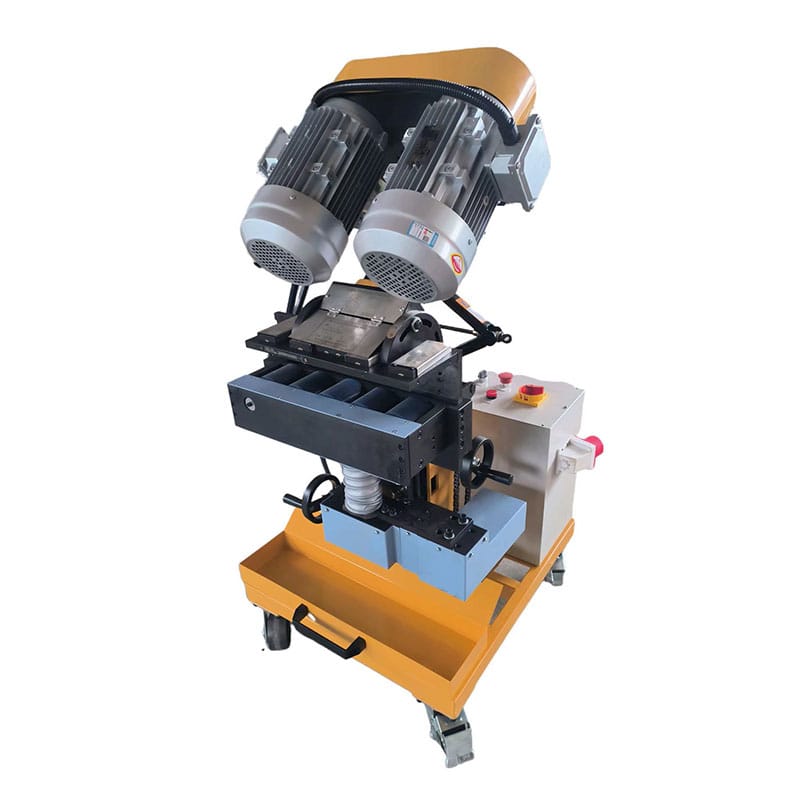
Many workshops underestimate how much the right beveling equipment affects workflow. Without proper beveling, weld joints can fail, parts may misalign, and production slows down. A quality metal bevel machine ensures consistent angles, smoother edges, and less rework.
Think of it as a foundation tool: every downstream process, from welding to assembly, depends on it. Investing time in understanding the options today can save hours—and headaches—later.
Exploring the Different Types of Metal Bevel Machines
Not all metal bevel machines are created equal, and choosing the wrong type can cost productivity. Here’s a practical breakdown:
- Manual Machines: Simple, reliable, and suitable for small-scale workshops or occasional use. They require more hands-on control but can handle basic beveling tasks effectively.
- Automatic and CNC Machines: These are designed for repeatable precision and high-volume production. CNC-controlled machines allow operators to program angles and cutting depths, making complex beveling tasks easier and faster.
- Portable Machines: Ideal for on-site jobs or workshops with limited space. They balance mobility with functionality, perfect for specialized projects.
By understanding these differences, you can match your machine to your workshop’s specific needs instead of relying on trial and error.
Key Features You Can’t Overlook
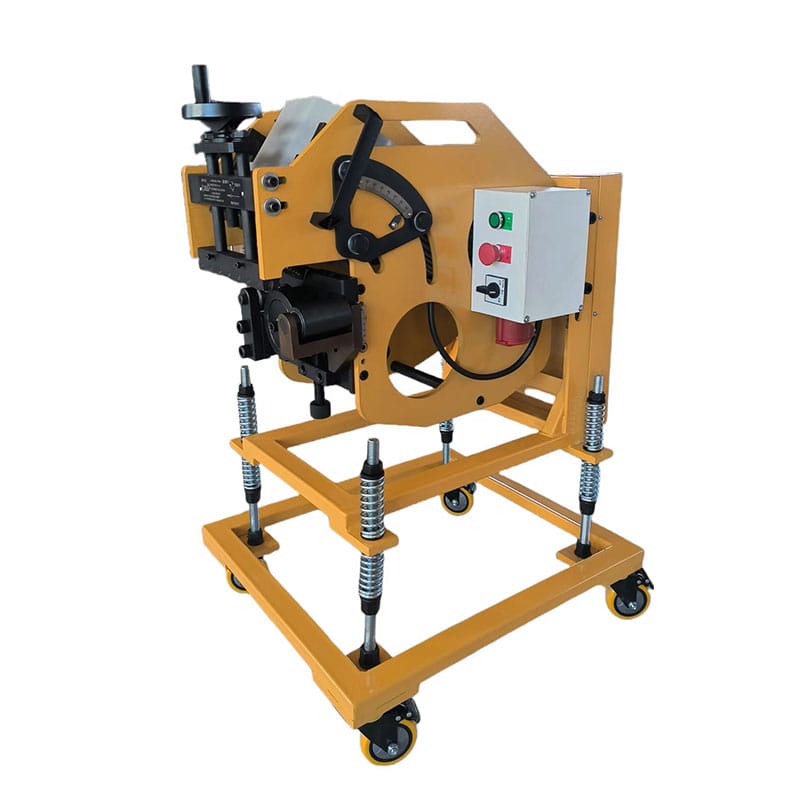
When evaluating a metal bevel machine, consider features that actually impact day-to-day work:
- Cutting Capacity & Bevel Range: Can it handle the thickness of materials you regularly work with? Versatility in bevel angles is a big plus.
- Motor Power & Speed: Faster processing without sacrificing precision makes high-volume work manageable.
- Material Compatibility: Make sure the machine can handle steel, stainless steel, and aluminum, depending on your projects.
- Safety & Usability: Emergency stops, protective shields, and intuitive controls protect operators and streamline workflow.
Practical tip: operators tend to favor machines with simple adjustments and quick-change blades—these small conveniences save time daily.
Real-World Applications in the Workshop
Metal bevel machines aren’t just tools—they’re part of the workflow backbone. Here’s where they make a tangible difference:
- Steel Plate Fabrication: Ensures edges are ready for welding and structural assembly.
- Pipe Preparation: Beveled pipes fit together seamlessly, improving weld integrity and reducing rework.
- Automotive & Machinery Components: Precision bevels help components assemble correctly, enhancing durability and performance.
Workshops that align their beveling equipment with specific project types see smoother operations and fewer production errors.
Operating a Metal Bevel Machine Like a Pro
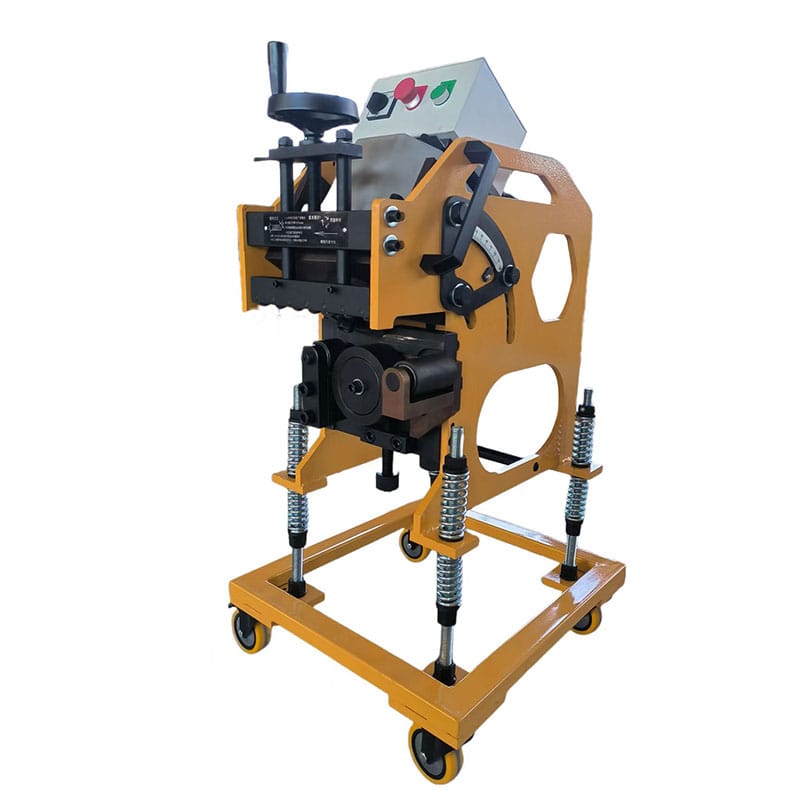
Even the best machine underperforms if not operated correctly. A few practical tips:
- Always secure materials properly before beveling to avoid uneven cuts.
- For CNC machines, double-check program settings and run a test piece when changing angles.
- Avoid overloading the machine with material it’s not designed to handle.
Operators who follow these practices notice fewer defects, smoother edges, and less machine wear over time.
Keeping Your Metal Bevel Machine in Top Shape
Maintenance isn’t glamorous, but it’s essential. Consider this approach:
- Regular cleaning removes metal debris that can affect blade precision.
- Lubricate moving parts routinely and replace worn blades or belts as needed.
- Schedule preventive inspections to catch potential issues before they become costly problems.
A well-maintained machine not only lasts longer but also keeps your workflow consistent.
When to Choose a Bevel Machine Over Other Tools
Workshops often ask whether an edge grinder or other tools could do the job. Here’s a simple rule:
- If precision and repeatable angles are important, a metal bevel machine is the clear choice.
- For rough smoothing tasks, a grinder may suffice, but it won’t match the accuracy or efficiency needed for welding prep.
Matching your tool to the task is a small step that prevents production headaches.
Future Trends Worth Watching
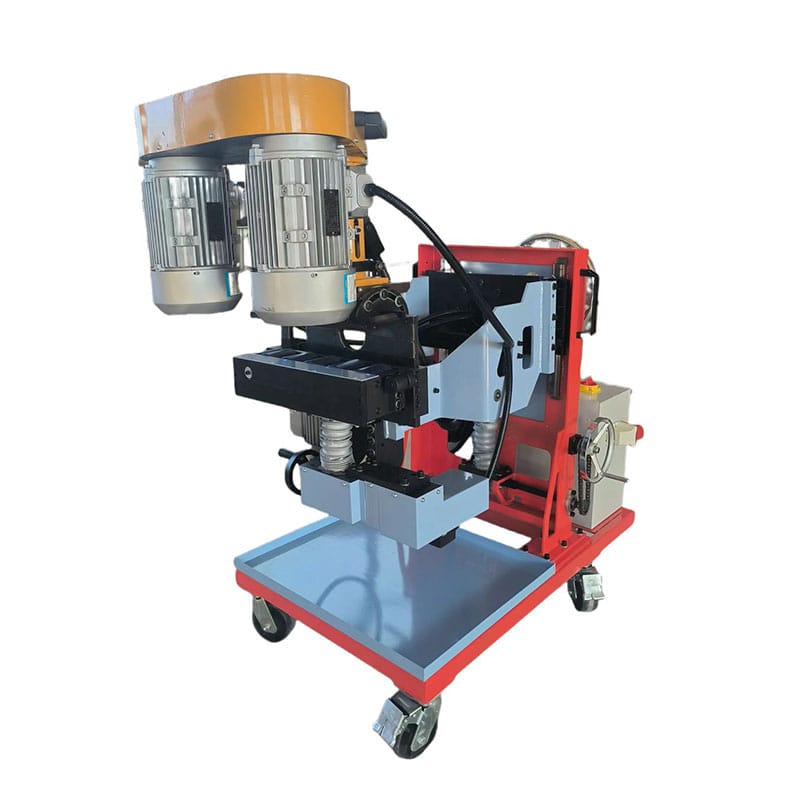
Metal fabrication is evolving quickly. Some emerging trends in metal bevel machines include:
- Automation & Smart Controls: Sensors and intelligent interfaces make complex beveling tasks faster and more accurate.
- Energy-Efficient Designs: Machines consume less power while maintaining output quality.
- Speed & Precision: New technologies reduce processing time without compromising accuracy, allowing workshops to meet tighter deadlines.
Staying informed about these trends helps you select machines that are ready for today’s demands—and tomorrow’s challenges.
Conclusion
Choosing the right metal bevel machine goes beyond checking specifications. It’s about understanding how it fits into your workshop, the types of materials you handle, and how your workflow operates. A well-chosen machine increases efficiency, ensures consistent quality, and reduces long-term maintenance issues.
By evaluating types, features, applications, and industry trends carefully, you’re not just buying a tool—you’re investing in the reliability and future success of your workshop.
FAQ
Q1: What is a metal bevel machine used for?
A: A metal bevel machine creates precise beveled edges on metal plates, pipes, and sheets, ensuring proper weld joints and accurate assembly in fabrication projects.
Q2: How do I choose the right metal bevel machine for my workshop?
A: Consider material type, thickness, bevel angle range, machine type (manual, CNC, portable), and workflow requirements to select a machine that meets your production needs.
Q3: What materials can a metal bevel machine handle?
A: Most metal bevel machines work with steel, stainless steel, aluminum, and other metals commonly used in construction, automotive, and machinery manufacturing.
Q4: How can I maintain a metal bevel machine for long-term use?
A: Regular cleaning, proper lubrication, routine inspections, and timely replacement of worn parts help extend machine life and maintain consistent performance.
Q5: Can a metal bevel machine replace edge grinders?
A: While edge grinders smooth surfaces, metal bevel machines provide precise, repeatable bevels required for welding and structural fabrication, making them essential for accuracy-focused workflows.