Table of Contents
Introduction
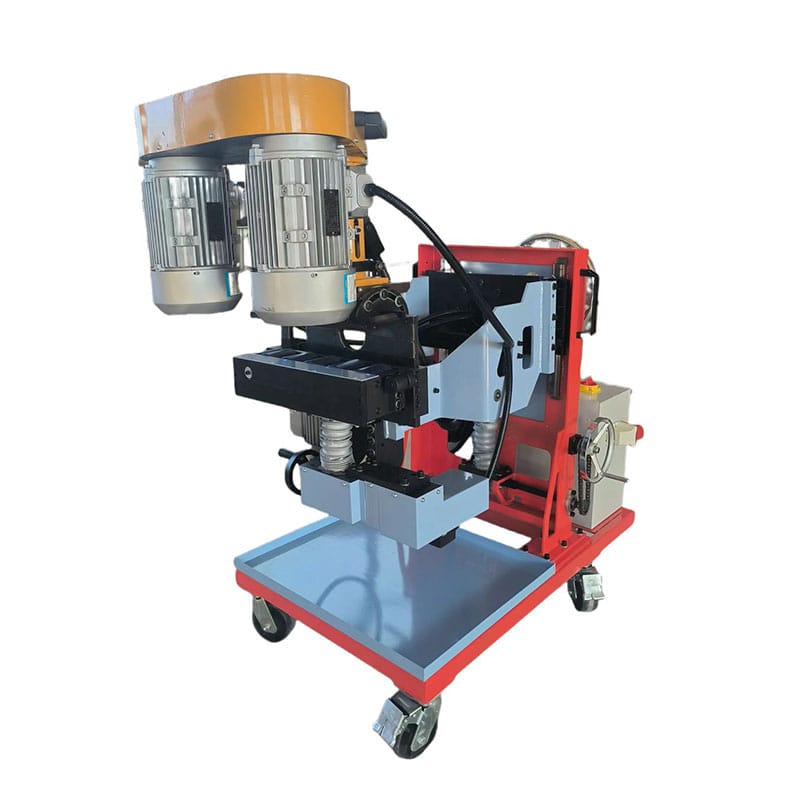
In most metal fabrication workflows, edge preparation tends to decide what happens later in welding more than anything else. If the edge is inconsistent, everything downstream becomes harder—alignment, penetration, and even final structural performance.
That’s where a beveler machine quietly does the heavy lifting.
Instead of relying on manual grinding or inconsistent hand tools, industrial users are shifting toward controlled beveling systems that can repeatedly produce stable edge angles on pipes and plates. This is not just about speed. It’s about removing variability from a process that doesn’t tolerate much of it.
In industries such as pipeline construction, pressure vessel fabrication, shipbuilding, and steel structure assembly, bevel quality is closely tied to weld reliability. When production scales up, even small inconsistencies in edge preparation start showing up as rework, delays, or weld defects.
This article breaks down how beveling equipment actually fits into modern production, what matters when selecting a system, and why manufacturing quality behind the machine matters just as much as the machine itself.
What a Beveler Machine Actually Does (and Why It Matters)
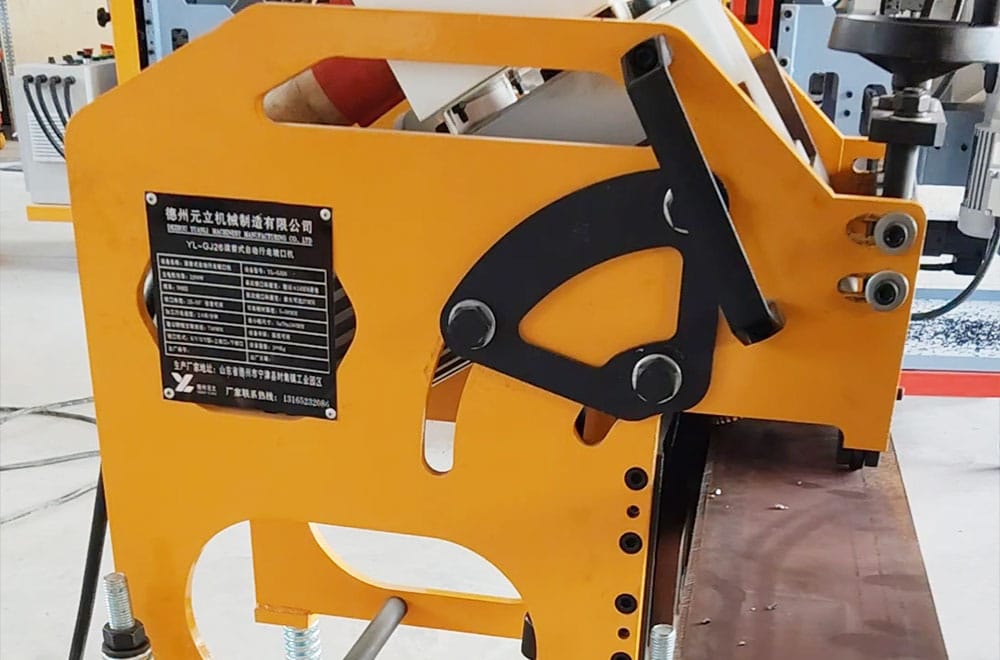
A beveler machine is designed to prepare metal edges—usually pipes or plates—by cutting them into a precise angle before welding. The goal is not just to “cut” but to control geometry.
In practical terms, it removes a defined portion of material from the edge so that two workpieces can meet with the correct weld profile. That profile influences how deeply weld material penetrates and how evenly stress is distributed across the joint.
Most industrial systems use a mechanical cutting head that rotates or travels along the workpiece. Unlike abrasive grinding, this method produces repeatable geometry with far less operator dependency.
One key point often overlooked is heat. Many professional beveling processes are performed under cold working conditions, which helps avoid thermal distortion and preserves the material’s original structure. That becomes especially important when working with stainless steel or alloy materials used in high-pressure environments.
Where Beveler Machines Are Actually Used in Real Production
It’s easy to list industries, but what matters more is how the machine fits into real workflows.
In pipeline construction, beveling is usually one of the first steps after pipe cutting. The consistency of that bevel directly influences welding speed on site. If the edge preparation is uneven, welders compensate manually, which slows everything down.
In shipbuilding, beveling becomes part of large structural assembly. Steel plates and pipe sections often require long production runs with identical edge profiles. Any variation creates alignment issues during assembly.
Pressure vessel fabrication is even more sensitive. Here, weld integrity is tied directly to safety performance, and edge preparation must follow strict geometric requirements.
In steel structure manufacturing, beveling is often integrated into batch processing lines where repeatability matters more than anything else.
Across all these applications, one pattern shows up: once production volume increases, manual methods stop being reliable enough.
Different Types of Beveler Machine and Why They Exist
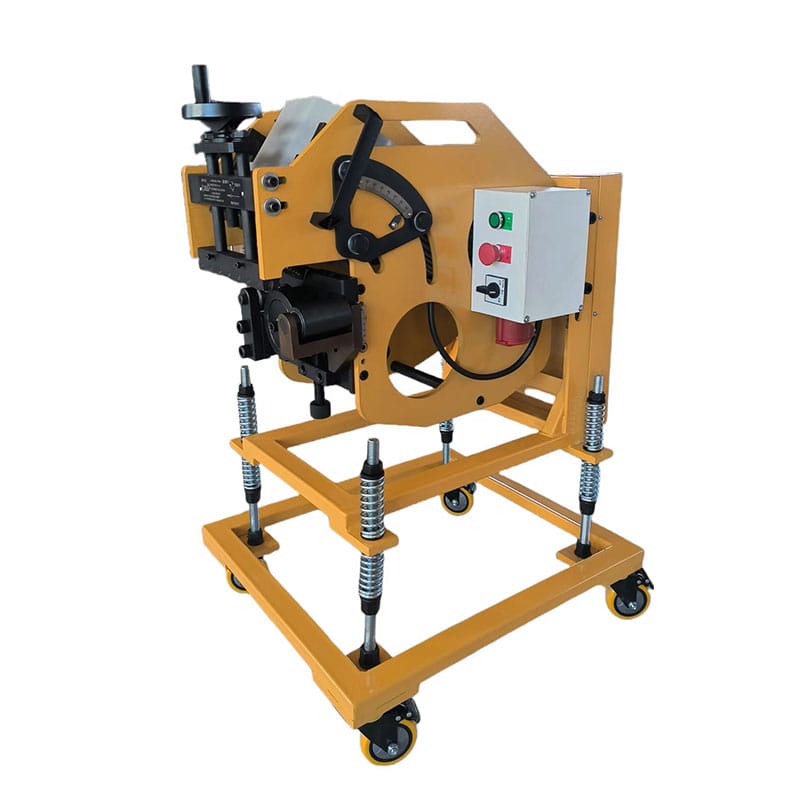
There isn’t a single universal beveling solution, and that’s actually intentional. Different production environments require different approaches.
Portable beveler machines are typically used when the workpiece cannot be moved easily. They clamp onto pipes and perform beveling directly in position. This is common in field pipeline work.
Stationary systems are built for workshop environments. The workpiece moves into the machine instead of the other way around. These setups prioritize stability and repeatability.
Automatic beveling systems reduce manual intervention and are often used in structured production lines where consistency matters more than flexibility.
Hydraulic-driven systems tend to be used in heavier applications where cutting force and stability are critical, while electric systems are more common in general fabrication environments.
CNC-controlled beveling systems sit at the higher end of precision requirements. They allow programmable control over angles and edge profiles, which becomes useful when fabrication specifications are complex or frequently changing.
The key takeaway is simple: the “best” machine is not the most advanced one, but the one that matches your production reality.
What Actually Determines Beveling Quality
Most discussions about beveler machines focus on features, but in practice, quality comes from a few specific mechanical factors.
Stability is one of them. If the machine frame or clamping system allows movement during operation, edge consistency immediately drops.
Tooling geometry also plays a major role. A well-designed cutting head produces smoother edges with less secondary finishing required afterward.
Material behavior is another factor that often gets underestimated. Carbon steel, stainless steel, and alloy steels all respond differently under cutting forces. Machines that handle this variation well tend to perform more consistently across mixed production environments.
Another detail is control over feed rate. Too aggressive, and the edge deforms. Too slow, and efficiency drops without improving quality.
These are not abstract specifications—they are the reasons two machines with similar appearances can perform very differently in real production.
Beveling Machines vs Traditional Edge Preparation Methods
It’s still common to see grinding used in smaller workshops or repair environments. It works, but it introduces variability that becomes hard to control at scale.
Grinding depends heavily on operator skill. That means the output is only as consistent as the person doing the work. In batch production, that becomes a limitation.
Chamfering tools are sometimes used for lighter-duty applications, but they usually lack the structural capability required for industrial pipe welding preparation.
A beveler machine removes that dependency. Instead of shaping the edge manually, it defines the geometry mechanically. The result is less variation and fewer downstream corrections during welding.
In production environments where time and repeatability matter, that difference becomes very visible.
Manufacturing Reality Behind a Beveler Machine
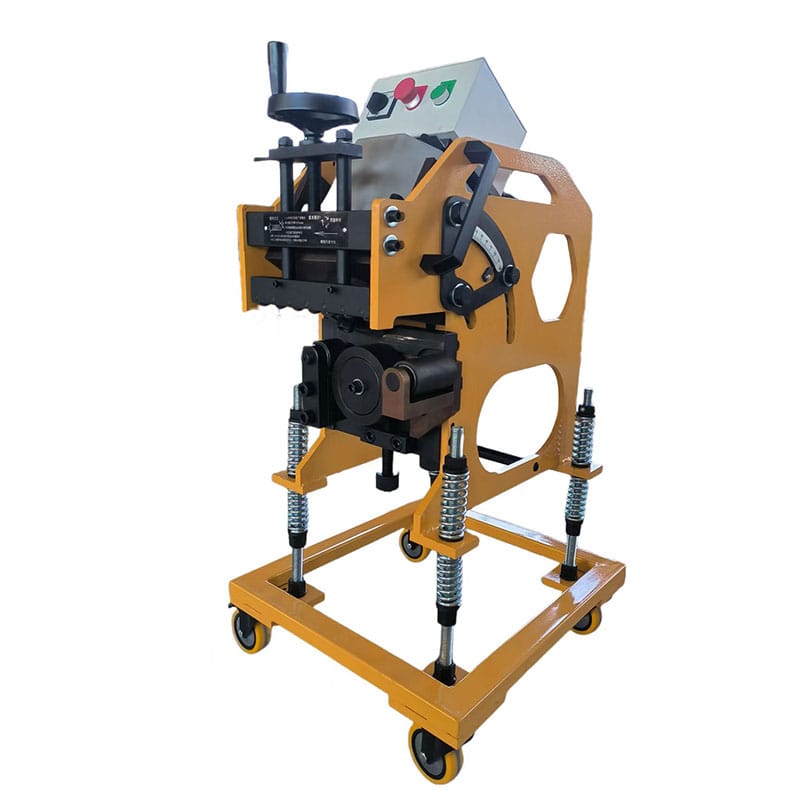
One aspect that doesn’t get enough attention is how the machine itself is built.
The performance of a beveler machine is not just about design—it’s about how precisely that design is executed in manufacturing.
Structural components must maintain rigidity under load. Even small flex during cutting can affect bevel angle accuracy. That’s why material selection and machining precision are critical.
Assembly alignment is another hidden factor. Cutting heads, guide systems, and clamping mechanisms must be calibrated carefully to maintain consistency across repeated cycles.
Before a machine ever reaches a production floor, it typically goes through performance checks that simulate real operating conditions. This is where issues like vibration, tool wear behavior, and angle deviation are evaluated.
Machines that perform well over time usually come from manufacturers that treat this stage as seriously as the design phase.
Selection Criteria That Actually Matter in Practice
In real purchasing decisions, technical specs are only part of the story.
One of the most important considerations is production continuity. If a machine cannot maintain consistent performance over long operating periods, it becomes a bottleneck rather than a solution.
Another factor is adaptability. Fabrication environments rarely stay static—pipe sizes, materials, and project requirements change. Equipment that can handle variation without constant adjustment is usually more practical.
Maintenance behavior also matters more than most people expect. Machines that are difficult to service tend to lose productivity over time, even if their initial performance is strong.
Finally, integration into existing workflows is often overlooked. A beveling system should support the production line, not disrupt it.
How Beveler Machines Improve Welding Outcomes
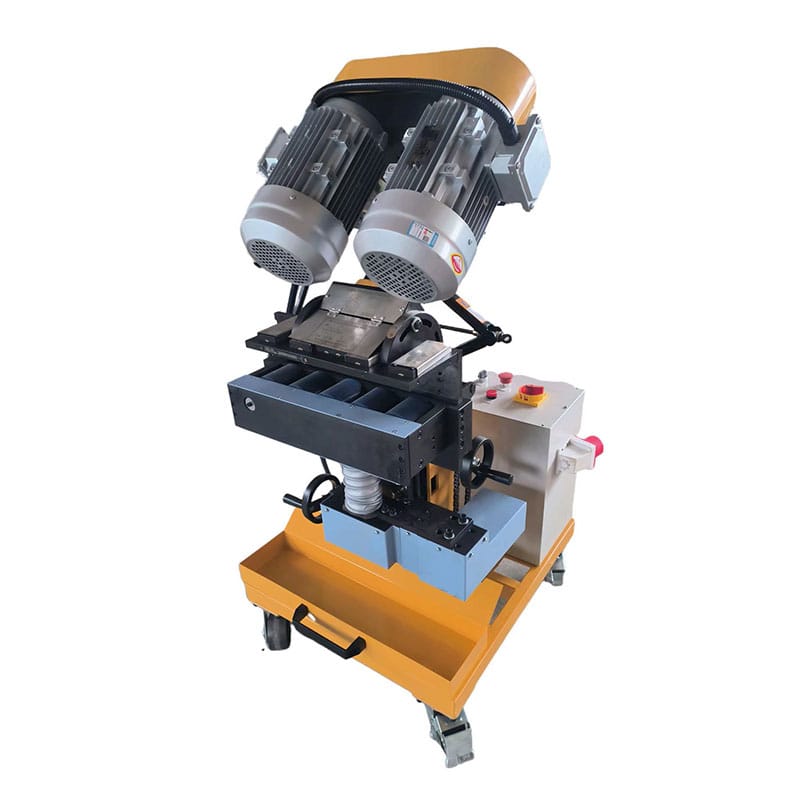
The connection between beveling and welding is more direct than it might appear.
A well-prepared edge allows weld material to penetrate more evenly. That reduces the likelihood of weak joints or incomplete fusion.
It also improves consistency across long weld seams, especially in pipeline and structural applications where uniformity is critical.
Another benefit is time efficiency. When edges are consistent, welders spend less time correcting alignment issues and more time executing the weld itself.
In large-scale fabrication environments, these improvements accumulate quickly across production cycles.
Conclusion
A beveler machine is not just another fabrication tool—it is part of the foundation of modern welding preparation. When edge geometry is controlled properly, everything that follows in the welding process becomes more predictable and efficient.
Choosing the right system is less about chasing complexity and more about matching real production needs with stable mechanical performance. Whether used in pipeline work, structural fabrication, or heavy industrial environments, the value comes from consistency over time.
From a manufacturing standpoint, equipment quality is closely tied to how carefully it is engineered and produced. That difference often shows up not immediately, but after extended use on real projects.
FAQ
Q1: What is a beveler machine used for?
A beveler machine is used to prepare metal edges by creating precise angles before welding, improving joint fit-up and weld quality in pipe and plate fabrication.
Q2: What materials can a beveler machine process?
Most industrial beveler machines can handle carbon steel, stainless steel, alloy steel, and other common fabrication metals used in pipeline and structural industries.
Q3: What is the difference between a beveler machine and grinding tools?
A beveler machine produces consistent, controlled edge geometry using mechanical cutting, while grinding tools rely on manual operation and may result in uneven bevel quality.
Q4: Where are beveler machines commonly used?
They are widely used in pipeline construction, shipbuilding, pressure vessel manufacturing, steel structure fabrication, and petrochemical projects.
Q5: Why is bevel accuracy important in welding preparation?
Accurate bevels ensure proper weld penetration, reduce defects, and improve overall structural strength and consistency in welded joints.