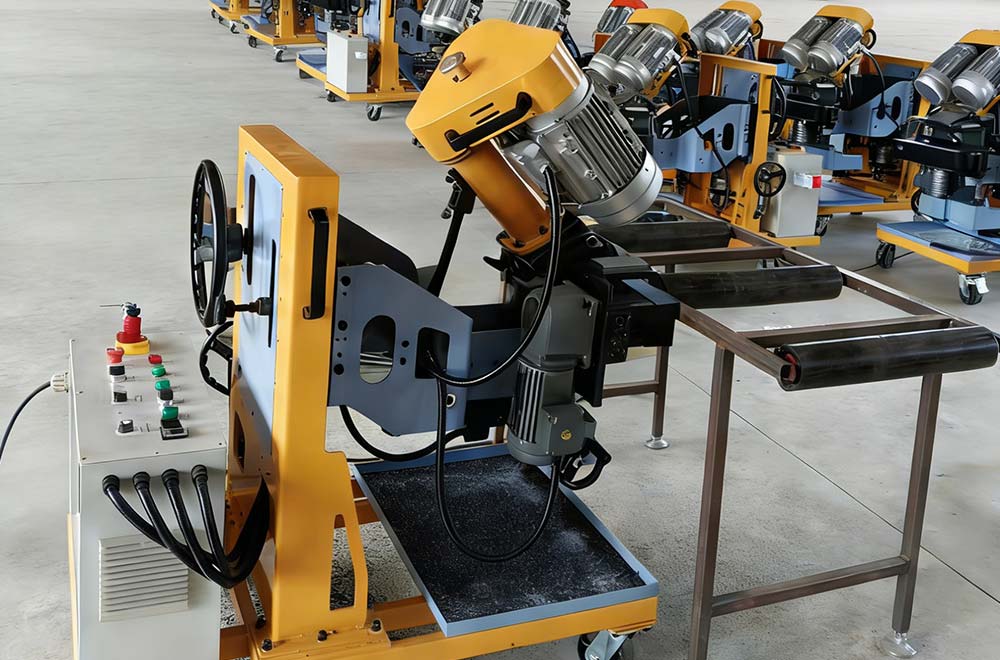
In most metal fabrication projects, the bevel is not the “main part” of the product—but it often decides whether the final weld will hold, pass inspection, or fail under stress.
That is why beveling equipment has quietly become a key step in modern production lines, especially in industries where pipe welding, pressure containment, and structural integrity matter.
But once buyers start sourcing equipment, they usually hit the same problem: too many options, too many claims, and not enough clarity on what actually defines a dependable beveling machine manufacturer.
This article takes a practical, field-oriented look at how manufacturers differ, what really matters in machine selection, and how industrial buyers usually evaluate suppliers when the goal is long-term production stability—not just a single purchase.
Table of Contents
The Real Role of a Beveling Machine Manufacturer (Beyond the Catalog)
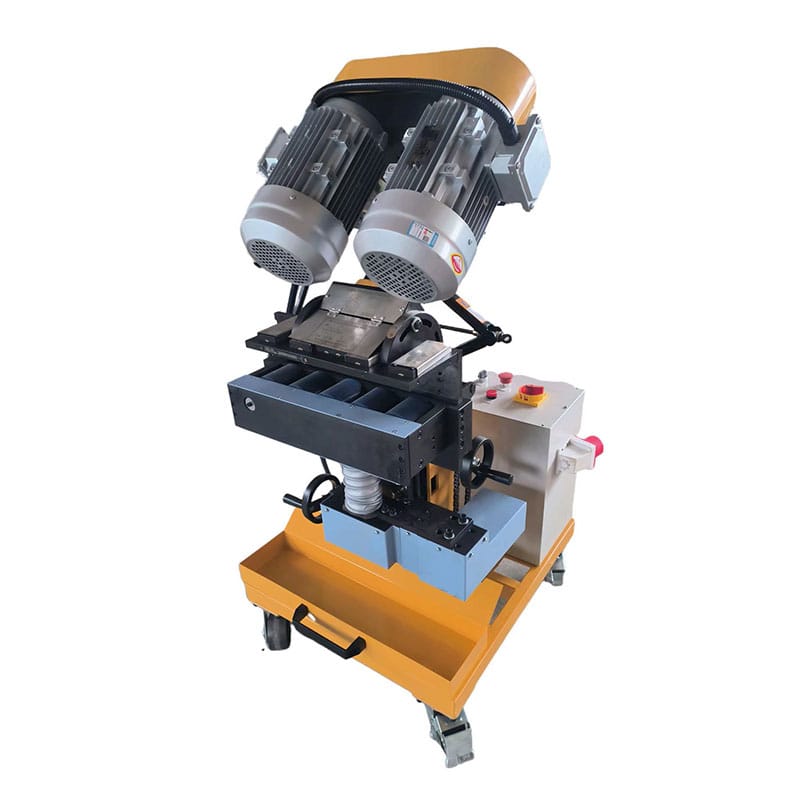
On paper, most suppliers look similar. They all claim “precision,” “efficiency,” and “industrial-grade performance.”
In practice, a real beveling machine manufacturer is defined by what happens behind the scenes:
- Metal cutting accuracy during production, not just design drawings
- Stability of the machine under continuous load
- Consistency between batches
- Engineering decisions that affect vibration, alignment, and cutting smoothness
In other words, the manufacturer is not just assembling parts. It is controlling how the machine behaves after months of real industrial use.
That difference becomes obvious in environments like pipeline workshops or heavy fabrication lines, where downtime is more expensive than equipment itself.
Why Beveling Machines Are No Longer “Optional Equipment”
In many fabrication workshops, beveling used to be done manually or with general-purpose tools. That approach still exists, but it is becoming less practical.
Modern welding standards require:
- Consistent edge geometry
- Clean and repeatable bevel angles
- Stable surface preparation for high-pressure joints
This shift has pushed industries to adopt dedicated beveling systems instead of relying on manual grinding or inconsistent preparation methods.
A beveling machine manufacturer today is essentially supporting welding quality indirectly. The machine’s job is not just cutting metal—it is preparing conditions for structural reliability.
Not All Machines Solve the Same Problem
One common misunderstanding is assuming all beveling machines are interchangeable.
In real industrial use, requirements vary significantly:
- Pipe fabrication lines often need repeatable, high-speed edge preparation
- Shipbuilding environments require flexibility with large and irregular workpieces
- Structural steel processing focuses more on consistency across long production cycles
- Maintenance work may prioritize portability and adaptability
This is why manufacturers usually design different machine categories instead of a single universal model.
The variation is not about marketing—it comes from different engineering constraints in real production environments.
Where Quality Actually Shows Up in Manufacturing
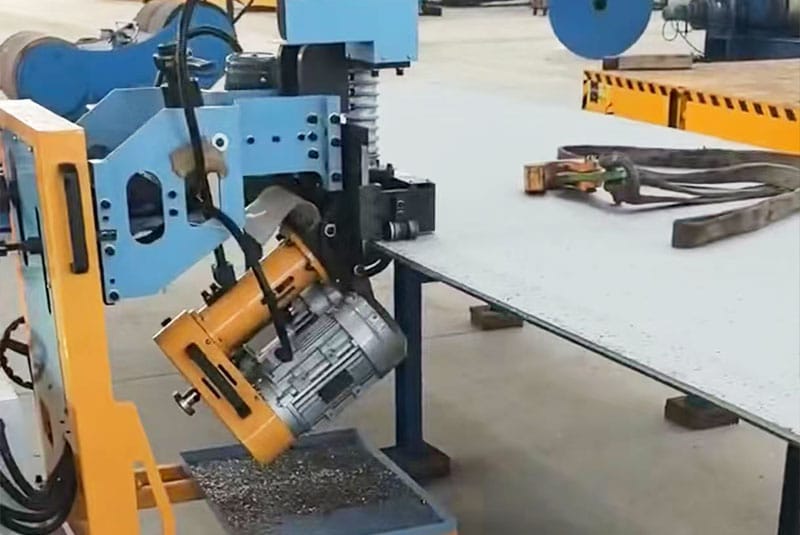
A beveling machine can look solid on paper but behave very differently on the workshop floor.
Experienced buyers tend to focus on a few practical indicators:
Structural stability
Machines that vibrate during operation usually create inconsistent bevel surfaces.
Tooling system design
A well-designed cutting system reduces wear and keeps machining stable over time.
Alignment accuracy
Even small misalignment can lead to uneven bevel angles, which affects welding quality later.
Control response
Whether manual or automated, the system should respond smoothly without lag or unpredictable movement.
These are not “spec sheet” details—they show up only during actual operation.
Manufacturer vs Trading Channel: A Difference You Only Notice Later
At first glance, purchasing from a supplier or a manufacturer may feel similar. The difference becomes clearer after installation and usage.
A direct beveling machine manufacturer typically offers:
- Direct engineering communication
- Machine customization based on actual workpieces
- More consistent production standards
- Technical feedback based on design control
A trading channel usually focuses on availability and logistics, but has limited control over machine structure or long-term improvements.
For industrial users, this difference matters most when production conditions are not standard.
What Experienced Buyers Usually Check Before Choosing
Instead of focusing only on product descriptions, experienced buyers tend to ask different types of questions:
- How is the machine structure tested before delivery?
- Can the equipment handle continuous operation cycles?
- Is the design suitable for different pipe or plate conditions?
- How flexible is the machine configuration for future production changes?
- What kind of real industrial applications has it been used in?
These questions are less about specifications and more about predictability in real production environments.
Why Production Environment Matters More Than Product Claims
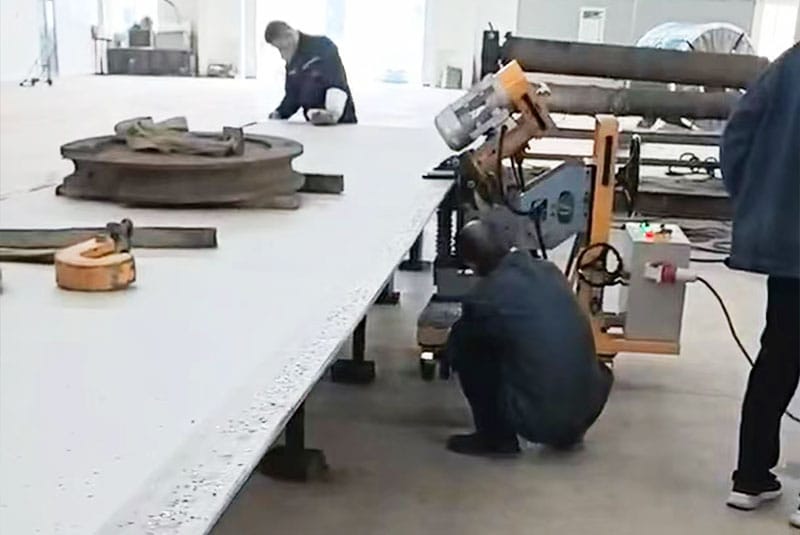
Two machines with similar technical descriptions can behave differently depending on how they are built and tested.
A factory-oriented beveling machine manufacturer usually designs equipment based on:
- Heat and friction behavior during cutting
- Material deformation during processing
- Stability under continuous industrial use
- Real workshop constraints such as space, loading, and handling
This is where engineering experience becomes more important than marketing descriptions.
Industrial Applications Where Beveling Machines Are Essential
Beveling machines are commonly used in environments where welding quality cannot be compromised:
- Pipeline construction and maintenance systems
- Offshore and marine structures
- Pressure vessel fabrication
- Large-scale steel assembly projects
- Industrial boiler manufacturing
- Heavy machinery production lines
In these applications, edge preparation is not a secondary step. It directly influences welding integrity and structural safety.
The Direction Beveling Machine Technology Is Moving Toward
Across the manufacturing sector, beveling equipment is gradually shifting in several directions:
- More stable automation systems replacing manual adjustment
- CNC-based control for repeatable bevel accuracy
- Integration with welding preparation workflows
- Reduced operator dependency
- Higher consistency across production batches
The focus is less on complexity and more on predictable performance in real conditions.
What Actually Defines a Reliable Beveling Machine Manufacturer
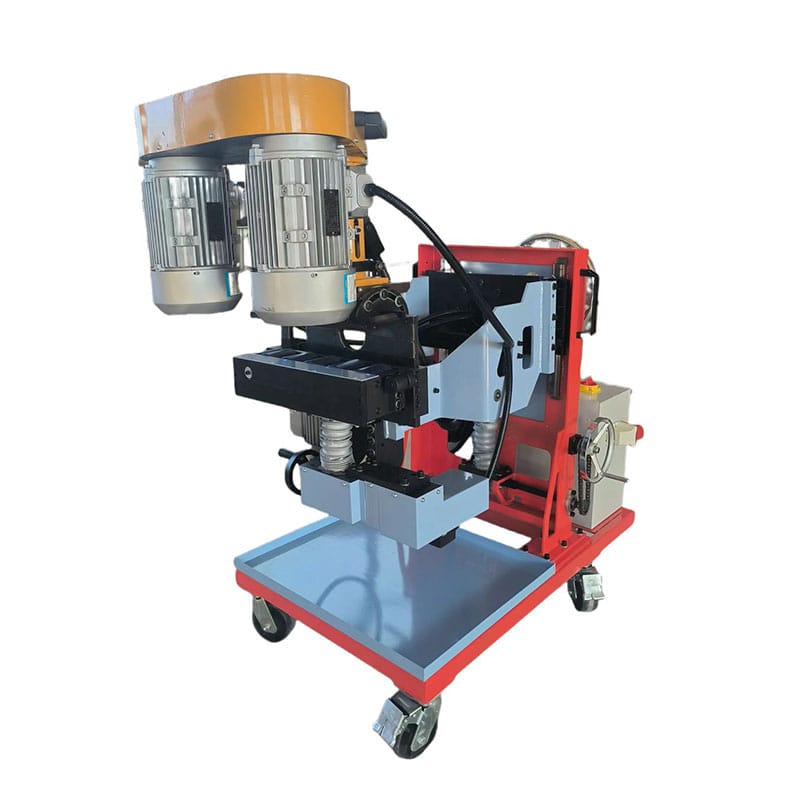
After looking at design, application, and production differences, reliability usually comes down to three things:
- Whether the manufacturer understands real industrial working conditions
- Whether machine design decisions are based on long-term stability
- Whether production quality remains consistent across different batches
Everything else—features, specifications, configurations—only matters if these foundations are stable.
Conclusion
Choosing a beveling machine manufacturer is not just a sourcing decision. It is a production decision that affects welding quality, operational stability, and long-term efficiency.
In real industrial environments, the best results usually come from manufacturers who focus less on surface-level features and more on structural design, consistency, and practical performance under continuous use.
For buyers in pipeline fabrication, steel processing, or heavy industrial manufacturing, the goal is not simply to find a machine—it is to ensure that every bevel produced on the line supports reliable welding results.
That is where the value of a dependable manufacturer becomes clear over time, not just at the moment of purchase.
FAQ
Q1: What does a beveling machine manufacturer actually do?
A: A beveling machine manufacturer designs, produces, and tests beveling equipment used for metal edge preparation before welding, ensuring accuracy, stability, and industrial performance.
Q2: Why should I choose a direct beveling machine manufacturer instead of a supplier?
A: A direct manufacturer offers better control over production quality, customization options, and technical support, while suppliers usually act as intermediaries with limited engineering capability.
Q3: What industries commonly use beveling machines?
A: Beveling machines are widely used in pipeline construction, shipbuilding, steel fabrication, pressure vessel manufacturing, and other heavy industrial processing sectors.
Q4: How do I identify a reliable beveling machine manufacturer?
A: Key factors include production capability, engineering experience, quality control systems, consistency in machine performance, and real industrial application cases.
Q5: Are all beveling machines suitable for the same applications?
A: No. Different machines are designed for pipes, plates, or portable operations, and each type serves specific industrial requirements and working environments.