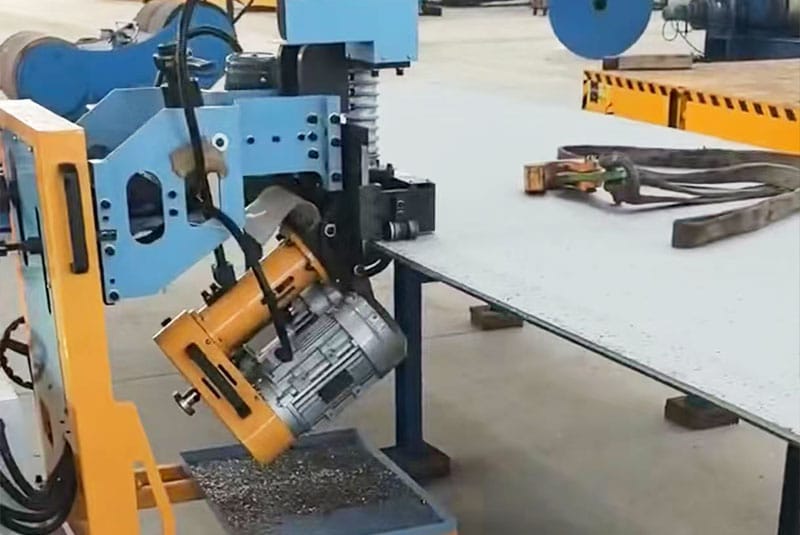
Choosing a beveling machine is not just a matter of comparing machine models. For metal fabrication companies, welding workshops, pipeline contractors, shipyards, and heavy equipment manufacturers, the real question is whether the supplier understands the entire weld preparation process.
A beveling machine directly affects edge quality, welding consistency, labor efficiency, and long-term production stability. When the bevel angle is uneven, the root face is inconsistent, or the edge surface is rough, welding becomes harder to control. That can lead to rework, slower production, and higher pressure on skilled welders.
This is why many buyers search for reliable beveling machine manufacturers instead of simply looking for a low-cost machine. A capable manufacturer does more than provide equipment. It helps match the right machine to the material, plate thickness, pipe size, bevel angle, production volume, and working environment.
If you are planning to buy a plate beveling machine, pipe beveling machine, portable beveling machine, or automatic beveling machine, this guide will help you understand what to look for before making a purchasing decision.
Table of Contents
Why the Manufacturer Matters More Than the Machine Model
Many buyers start with a simple question: “Which beveling machine should I buy?” But a better question is: “Which beveling machine manufacturer can understand my application?”
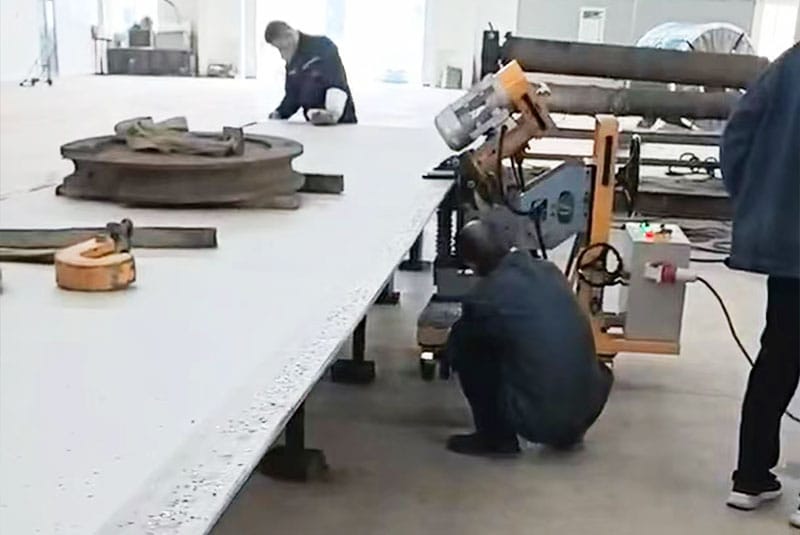
The same machine may perform well in one workshop but fail to meet expectations in another. A steel structure factory working with heavy plates has different needs from a pipeline contractor working on-site. A production line that processes repeated plate sizes needs a different solution from a repair team that handles mixed workpieces.
Trusted beveling machine manufacturers usually begin by asking about your real working conditions. They need to know what material you process, how thick the plate is, what pipe diameter you handle, what bevel angle is required, whether the machine will be used in a workshop or on-site, and whether the work is occasional or continuous.
This type of technical communication is important because beveling is not an isolated process. It is part of weld preparation, fit-up, assembly, and final welding quality. A reliable manufacturer should help you choose a machine that supports your entire workflow, not just one that looks suitable on paper.
What Beveling Machines Actually Do in Weld Preparation
A beveling machine prepares the edge of metal plates, pipes, tubes, or structural components before welding or assembly. The machine removes material at a controlled angle to create a bevel, groove, or chamfered edge.
In welding applications, beveling allows better access to the joint area. For thicker materials, a square edge may not allow enough weld penetration. By preparing the edge properly, welders can achieve a more stable groove shape and improve the consistency of the welded joint.
Common beveling applications include:
| Application | Typical Workpiece | Main Purpose |
|---|---|---|
| Steel fabrication | Steel plates, beams, frames | Weld edge preparation |
| Pipeline construction | Pipe ends and tubes | Pipe end beveling before welding |
| Shipbuilding | Heavy plates and structural parts | Consistent bevels for large welded structures |
| Pressure vessel production | Thick plates and circular parts | Controlled groove preparation |
| Machinery manufacturing | Welded components and frames | Better fit-up and assembly |
| Repair and maintenance | Existing pipes or plates | On-site edge correction |
Good beveling is not only about making an angled edge. It is about preparing a repeatable, clean, and controlled edge that supports the next manufacturing step.
Main Types of Beveling Machines Buyers Should Know
Before comparing beveling machine manufacturers, buyers should understand the main equipment types. Different beveling machines are designed for different workpieces and working environments.
Plate Beveling Machine
A plate beveling machine is used for flat steel plates, stainless steel plates, carbon steel plates, and other metal sheets or heavy plates. It is commonly used in steel fabrication, shipbuilding, bridge construction, tank manufacturing, and pressure vessel production.
Plate beveling machines are often selected according to plate thickness, required bevel angle, edge length, production volume, and whether the operation is manual, semi-automatic, or automatic.
For workshops processing repeated plate sizes, an automatic plate beveling machine can improve consistency and reduce manual grinding work. For flexible fabrication work, a portable or compact plate beveling machine may be more suitable.
Pipe Beveling Machine
A pipe beveling machine is designed for pipe end preparation. It is widely used in pipeline welding, power plant construction, process piping, boiler tube work, and industrial maintenance.
Pipe beveling requires attention to pipe diameter, wall thickness, clamping method, bevel angle, root face, and site accessibility. In some projects, the pipe can be moved to a workshop. In others, the machine must be taken to the pipe.
This is why pipe beveling machine manufacturers should understand both workshop fabrication and field welding conditions.
Portable Beveling Machine
A portable beveling machine is valuable when large workpieces cannot be moved easily. It can be used for on-site welding preparation, maintenance projects, shipyard work, pipeline installation, and repair operations.
Portable machines are often chosen for flexibility. However, buyers should still check machine stability, cutting performance, bevel angle adjustment, tool life, and operator safety. A portable machine should be easy to move, but it should not sacrifice bevel quality.
Automatic Beveling Machine
An automatic beveling machine is suitable for higher production volumes and repeated processing. It helps reduce manual operation, improve bevel consistency, and support standardized production.
Automatic beveling is useful for factories that need stable output, especially when beveling is part of a larger welding or fabrication line. When comparing automatic beveling machine manufacturers, buyers should pay attention to feeding stability, adjustment accuracy, machine rigidity, and maintenance convenience.
How to Match a Beveling Machine to Your Real Application
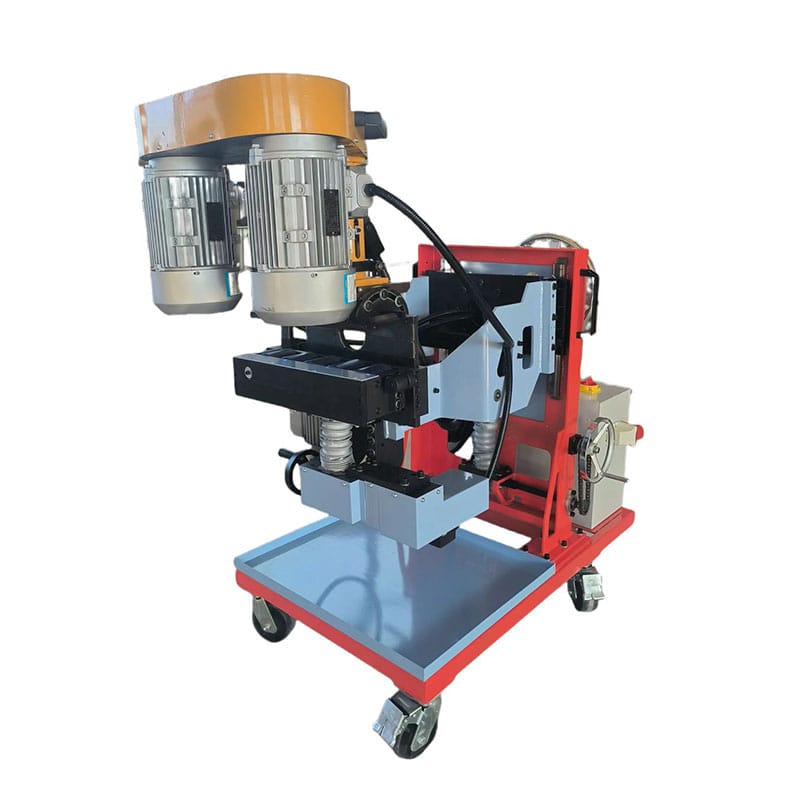
A trusted beveling machine manufacturer should not recommend equipment without first understanding your application. The right selection depends on several practical factors.
Material Type
Different materials behave differently during beveling. Carbon steel, stainless steel, aluminum, alloy steel, and other metals may require different cutting tools, feeding speeds, and machine structures.
For example, stainless steel may require better control of heat and surface quality. Thick carbon steel may require stronger machine rigidity and more stable feeding. Aluminum may require attention to cutting smoothness and chip removal.
A manufacturer should be able to explain whether the beveling machine is suitable for your material and whether any tool or parameter adjustment is needed.
Plate Thickness or Pipe Wall Thickness
Thickness is one of the most important selection factors. Thin plates may not need the same cutting power as heavy plates. Thick plates often require stronger machines, stable feeding, and suitable bevel geometry.
For pipe beveling, wall thickness affects the bevel form, processing time, and tool selection. A machine that works well for light pipe may not be suitable for heavy-wall pipe.
Before contacting beveling machine manufacturers, buyers should prepare basic thickness information. This allows the manufacturer to recommend a machine based on actual processing demand rather than a general product category.
Bevel Angle and Groove Type
Common bevel angles may include 30°, 37.5°, 45°, or other project-specific requirements. Some projects require V bevels, X bevels, J bevels, or compound bevels.
The correct bevel angle depends on welding process, material thickness, joint design, and project specifications. A good manufacturer should help buyers confirm whether the machine can achieve the required bevel range and maintain angle consistency during repeated operation.
Production Volume
A small fabrication shop may need flexibility. A high-volume production facility may need automation. A field service team may need portability.
Production volume affects whether the buyer should choose a manual, portable, semi-automatic, or automatic beveling machine. If a machine is underpowered for the required workload, production will slow down. If it is too complex for occasional use, it may not be cost-effective from an operational standpoint.
The best beveling machine is not always the largest or most automated model. It is the machine that fits the buyer’s workflow.
Beveling Machine vs Manual Grinding: What Buyers Should Consider
Many workshops still use manual grinding for bevel preparation. Manual grinding can work for simple or occasional jobs, but it has limitations when production consistency matters.
A beveling machine offers several advantages in controlled fabrication environments.
First, it helps improve angle consistency. Manual grinding depends heavily on operator skill. Even experienced workers may produce small variations across long edges or repeated parts. Machine beveling provides a more controlled process.
Second, it can reduce labor intensity. Grinding long plate edges or multiple pipe ends takes time and physical effort. A suitable beveling machine can reduce repetitive manual work and help skilled workers focus on welding, assembly, and inspection.
Third, machine beveling can improve production planning. When beveling becomes more predictable, workshops can better arrange cutting, fit-up, welding, and finishing steps.
This does not mean manual grinding has no place. It is still useful for touch-up work, small repairs, or special areas. But for repeated weld preparation, industrial beveling machines offer clear value.
What Trusted Beveling Machine Manufacturers Should Provide
When evaluating beveling machine manufacturers, buyers should look beyond product photos and basic specifications. A manufacturer’s real value is reflected in engineering support, machine quality, testing process, and long-term service.
Complete Product Range
A reliable manufacturer should offer or understand different machine categories, such as:
- Plate beveling machine
- Pipe beveling machine
- Portable beveling machine
- Automatic beveling machine
- Edge beveling machine
- Metal beveling machine
- Heavy duty beveling machine
- Weld preparation beveling machine
A broader product range often means the manufacturer can recommend equipment based on application rather than forcing every buyer into one model.
Technical Selection Support
Professional manufacturers ask detailed questions before recommending a machine. They may ask about:
- Material type
- Workpiece size
- Plate thickness
- Pipe diameter
- Pipe wall thickness
- Required bevel angle
- Required bevel width
- Daily production volume
- Workshop or on-site use
- Power supply conditions
- Welding process after beveling
This technical communication helps avoid machine mismatch.
Manufacturing and Assembly Control
A manufacturer should have stable production control over machine structure, key components, assembly accuracy, and inspection. Strong machine rigidity, reliable feeding, accurate adjustment, and stable tool performance all depend on manufacturing quality.
For industrial buyers, machine reliability is not a small issue. A beveling machine is often used before welding, which means equipment problems can delay the entire production chain.
Testing Before Delivery
Before delivery, a beveling machine should be tested under realistic operating conditions. Testing may include running stability, bevel angle adjustment, feeding performance, edge surface quality, and safety checks.
If possible, buyers can request sample processing based on similar material or thickness. This is especially useful for custom beveling machine requirements or demanding fabrication applications.
Spare Parts and Long-Term Support
Cutting tools, inserts, clamping parts, guide systems, and other wear components may need replacement during long-term use. A dependable beveling machine manufacturer should provide spare parts support and clear maintenance guidance.
For overseas buyers, this is especially important. Stable spare parts supply can reduce downtime and help the machine remain useful over years of operation.
A Practical Buyer Checklist Before Sending an Inquiry
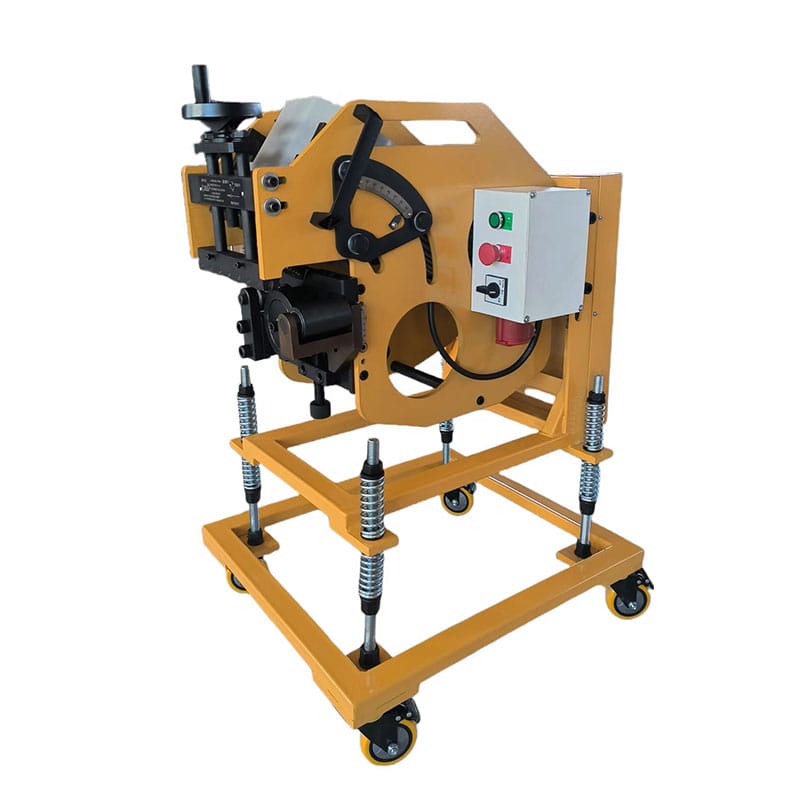
To get a useful recommendation from beveling machine manufacturers, buyers should avoid sending only a general message such as “Please send your beveling machine catalog.”
A better inquiry includes real project information. The more accurate the information, the more accurate the equipment recommendation.
Before sending an inquiry, prepare the following details:
| Information to Provide | Why It Matters |
|---|---|
| Material type | Affects cutting tools and machine selection |
| Plate thickness or pipe wall thickness | Determines power, rigidity, and bevel capacity |
| Workpiece size | Helps confirm machine structure and working range |
| Required bevel angle | Ensures the machine can meet joint preparation needs |
| Bevel width or groove form | Affects tool selection and processing method |
| Production volume | Helps choose manual, portable, or automatic equipment |
| Workshop or field use | Determines whether portability is required |
| Power supply | Ensures compatibility with local working conditions |
| Final welding process | Helps match bevel quality to weld requirements |
A professional manufacturer will use this information to recommend a more suitable solution. This also helps buyers avoid overbuying, underbuying, or selecting a machine that does not fit the real working environment.
Portable, Automatic, or Customized: Which Direction Is Better?
There is no single best beveling machine for every buyer. The right choice depends on how and where the machine will be used.
Choose Portable Beveling Machines When Flexibility Matters
Portable beveling machines are suitable for field work, maintenance tasks, large structures, shipyards, pipelines, and situations where the workpiece cannot be moved easily.
They are also useful when the buyer handles different workpieces and needs a flexible tool for varied jobs.
However, buyers should not choose portable machines only because they are convenient. They still need to check cutting capacity, machine stability, bevel angle range, and tool availability.
Choose Automatic Beveling Machines When Output Must Be Stable
Automatic beveling machines are suitable for workshops with repeated processing tasks. They help improve bevel consistency and reduce manual labor.
Factories that process many plates or repeated parts can benefit from automatic feeding, stable angle control, and easier workflow planning.
For this type of buyer, machine durability and long-term production stability are more important than simple operation alone.
Choose Customized Beveling Machines for Special Requirements
Some applications cannot be handled well by standard machines. These may include unusual materials, special bevel angles, oversized workpieces, limited space, or integration with existing production lines.
In these cases, a custom beveling machine manufacturer can evaluate the workpiece and propose a tailored solution. Customization may involve clamping design, feeding method, tool arrangement, machine frame structure, or automation level.
Common Mistakes Buyers Should Avoid
Many problems in beveling machine purchasing come from incomplete communication rather than machine quality alone. Here are some mistakes buyers should avoid.
Choosing Only by Machine Name
A “plate beveling machine” or “pipe beveling machine” is still a broad category. Different machines may have different capacities, structures, and suitable applications. Buyers should confirm whether the machine matches their material, thickness, angle, and production needs.
Ignoring the Working Environment
A machine designed for workshop use may not be suitable for field conditions. A portable beveling machine may not be the best choice for continuous high-volume production. The working environment must be considered early.
Not Confirming Tool and Spare Parts Supply
The beveling machine itself is only one part of the system. Cutting tools and wear parts affect long-term operation. Buyers should ask about tool type, replacement cycle, spare parts availability, and maintenance support.
Overlooking Operator Training
Even a well-designed machine needs proper operation. Training helps operators understand adjustment, feeding, tool replacement, safety, and maintenance. This can improve bevel quality and reduce misuse.
Treating Beveling as a Separate Step
Beveling is connected to welding quality, fit-up, assembly, and inspection. Buyers should choose equipment based on the full fabrication process, not just the edge preparation step.
Industries That Need Reliable Beveling Machines
Beveling machines are used across many industrial sectors where welding quality and production efficiency matter.
Steel Structure Fabrication
Steel structure workshops use beveling machines for plate edges, beams, frames, and welded components. Stable bevel preparation helps improve assembly and welding consistency.
Pipeline and Piping Projects
Pipe beveling machines are widely used for pipeline construction, process piping, plant maintenance, and industrial installation. Pipe end preparation is a critical step before butt welding.
Shipbuilding and Marine Fabrication
Shipbuilding often involves large plates, thick materials, and long weld seams. Plate beveling machines help prepare consistent edges for large welded structures.
Pressure Vessel and Tank Manufacturing
Pressure vessel and tank production require careful edge preparation because weld quality is closely linked to structural reliability. Suitable beveling equipment helps maintain controlled groove geometry.
Heavy Machinery Manufacturing
Machinery frames, welded bases, structural parts, and heavy equipment components often require beveling before welding. Industrial beveling machines help support repeatable fabrication quality.
How Direct Beveling Machine Manufacturers Support Overseas Buyers
For overseas buyers, working with direct beveling machine manufacturers can make communication more efficient. Instead of only receiving a catalog, buyers can discuss their real workpiece and receive a more practical recommendation.
A direct manufacturer can usually provide clearer information about machine capacity, production process, customization options, spare parts, and technical support. This is valuable for distributors, contractors, fabrication shops, and industrial end users.
When choosing beveling machine manufacturers in China or other manufacturing regions, overseas buyers should evaluate communication quality carefully. A serious manufacturer will ask technical questions, explain suitable options, and help the buyer understand machine limitations as well as advantages.
Good manufacturers do not simply promise that one machine can do everything. They help buyers choose equipment that fits the actual application.
Questions to Ask Before Choosing Beveling Machine Manufacturers
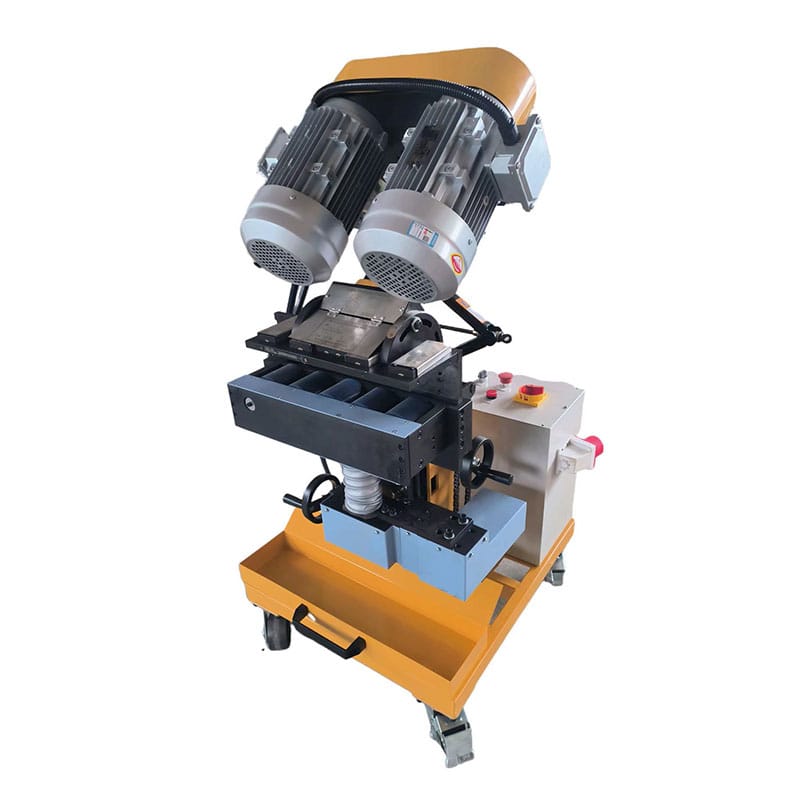
Before placing an order, buyers should ask practical questions that reveal the manufacturer’s technical ability.
Useful questions include:
- Which machine is suitable for my material and thickness?
- Can this machine achieve my required bevel angle?
- Is it better for workshop use or on-site use?
- What type of tool does the machine use?
- How is the bevel quality tested before delivery?
- Can you provide sample processing or operation videos?
- What spare parts are recommended for long-term use?
- What maintenance is required?
- Can the machine be customized for my application?
- What information do you need to recommend the correct model?
The answers will show whether the manufacturer understands real fabrication work or only provides general sales information.
Conclusion
Finding trusted beveling machine manufacturers is not only about comparing equipment lists. It is about finding a technical partner that understands weld preparation, metal fabrication, pipe end processing, plate edge preparation, and long-term production needs.
Before choosing a machine, buyers should clearly define the material, thickness, bevel angle, production volume, and working environment. A reliable manufacturer will use this information to recommend the right solution, whether it is a plate beveling machine, pipe beveling machine, portable beveling machine, automatic beveling machine, or customized beveling system.
For industrial buyers, the right beveling machine can reduce manual grinding, improve edge consistency, support better welding preparation, and make production more predictable. The right manufacturer can help you avoid mismatch, reduce operational risk, and build a more stable fabrication process.
If your project requires accurate weld edge preparation, start by working with a beveling machine manufacturer that asks the right questions before recommending the right machine.
FAQ
What is a beveling machine used for?
A beveling machine is used to prepare the edge of metal plates, pipes, tubes, or structural parts before welding or assembly. It creates a controlled angled edge that supports weld penetration, fit-up, and edge quality.
How do I choose the right beveling machine?
Start with your material, plate thickness or pipe wall thickness, bevel angle, workpiece size, production volume, and working environment. These factors help determine whether you need a plate beveling machine, pipe beveling machine, portable beveling machine, or automatic beveling machine.
What is the difference between a plate beveling machine and a pipe beveling machine?
A plate beveling machine is designed for flat metal plates and sheet edges. A pipe beveling machine is designed for pipe ends and tube ends before welding. Their clamping methods, working structures, and application areas are different.
Is a portable beveling machine suitable for field work?
Yes. Portable beveling machines are suitable for on-site welding preparation, maintenance work, pipeline projects, shipyard work, and large workpieces that are difficult to move. Buyers should still confirm machine capacity and bevel angle range before selection.
Why should I buy from beveling machine manufacturers instead of general suppliers?
Direct beveling machine manufacturers can usually provide better technical selection support, customization options, quality control, spare parts supply, and long-term service. This is important when the machine must match specific materials, thicknesses, bevel angles, and production requirements.