Reliable edge preparation depends on more than choosing the correct bevel angle. beveling machine maintenance keeps the cutter, drive system, guides, clamps, and safety controls working as one stable process. When these elements drift, the first signs often appear in the groove: taper, chatter, excessive heat, inconsistent root face, or a rough surface that creates extra inspection and rework.
This beveling machine maintenance guide gives supervisors and operators a practical routine for daily checks, planned service, tool-change decisions, and maintenance records. It does not replace the manufacturer’s manual. Model-specific intervals, lubricant types, torque values, electrical procedures, and replacement parts must always come from the approved documentation for the actual machine.
If you are also standardizing groove geometry, compare this checklist with our guides to weld edge preparation and weld root face control. Maintenance and inspection should support the same drawing and welding procedure requirements.
Table of Contents
Why Beveling Machine Maintenance Matters
beveling machine maintenance protects three outcomes at the same time: operator safety, machine availability, and dimensional consistency. A machine can continue running while its guides, inserts, bearings, or clamps are already producing a less stable cut. Waiting for a complete breakdown usually means the workshop has also accepted a period of declining quality.
A planned beveling machine maintenance program separates operator care from work reserved for qualified maintenance personnel. Operators can clean accessible surfaces, check visible fasteners, inspect tooling, and report abnormal noise or vibration. Electrical work, guard interlock repair, drive adjustment, and internal service should follow the manual and the site’s authorization rules.
Start with Isolation and the Machine Manual
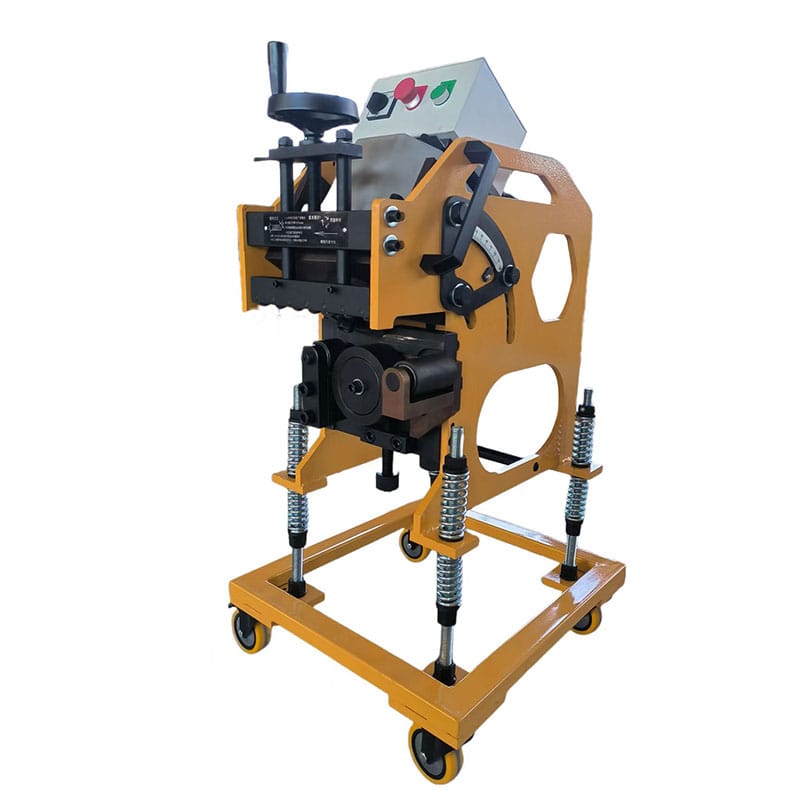
Every beveling machine maintenance task begins with a safe state. Stop the cutter, isolate energy sources, prevent unexpected movement, and verify isolation according to the facility procedure. The U.S. Occupational Safety and Health Administration explains energy-control duties in its lockout/tagout standard, while applicable requirements depend on location and workplace conditions.
Read the machine manual before removing a cover, reaching near a cutter, clearing a jam, or adjusting a drive. Never defeat a guard or interlock to shorten beveling machine maintenance. OSHA’s machine-guarding requirements provide a useful reference for protecting operators from rotating parts, ingoing nip points, chips, and other mechanical hazards.
Daily Inspection Before Production
A short inspection before each shift makes beveling machine maintenance easier because it catches visible changes before production begins. Use a written checklist that matches the machine configuration, and require an operator to report any condition outside the accepted limit instead of silently adjusting around it.
- Confirm guards, emergency stops, cables, connectors, and controls are intact.
- Remove chips from approved areas using the method specified by the manual.
- Check the cutter, inserts, tool holder, fasteners, guides, rollers, and clamps.
- Look for oil leaks, damaged hoses, loose hardware, unusual wear, or impact marks.
- Verify the plate contact surfaces are clean and the machine sits or travels correctly.
- Run a controlled no-load check only when the manual permits it, listening for abnormal noise.
- Machine and inspect a first piece before releasing a production batch.
Record exceptions immediately. A daily beveling machine maintenance sheet should make it clear whether the machine is ready, restricted to a defined task, or removed from service. “Checked” is not useful when a condition requires follow-up; note the symptom, location, action, responsible person, and verification.
Inspect Cutters and Tool Holders
Tooling condition has a direct effect on bevel geometry. During beveling machine maintenance, inspect inserts for chipping, uneven wear, built-up material, edge rounding, or heat discoloration. Check the holder and seating surfaces for trapped chips and damage. An insert that is rotated or replaced on schedule can protect the holder, reduce vibration, and keep the cut predictable.
Do not judge tool life only by elapsed hours. Material grade, scale, flame-cut edges, interrupted cuts, bevel width, feed rate, and plate hardness can change wear quickly. Use surface finish, spindle load, cutting sound, dimensional checks, and the approved tool criteria together. The guide on consistent weld grooves explains why the cutting system and plate reference must be controlled together.
Clean Guides, Rollers, and Clamping Surfaces
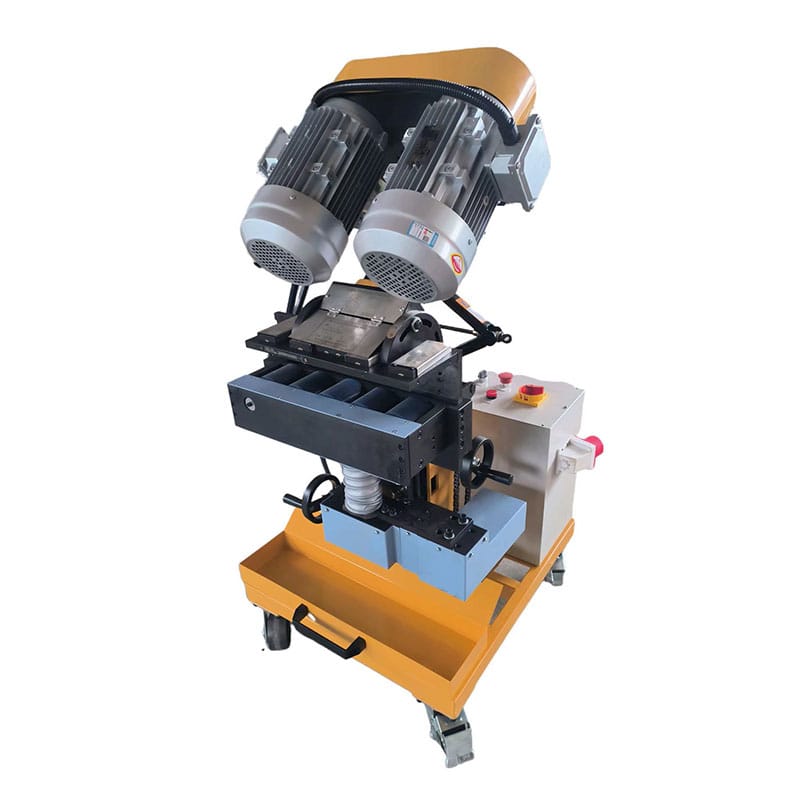
In beveling machine maintenance, guides and rollers establish the machine’s relationship to the plate. Effective beveling machine maintenance keeps these contact points clean, freely rotating where required, correctly adjusted, and free from flat spots or looseness. Scale or a single trapped chip can lift a guide and change the effective depth of cut along the plate.
Inspect clamping faces and pressure mechanisms for wear, damage, and smooth movement. A clamp that holds unevenly can allow the machine or workpiece to shift. Also inspect the incoming plate: heavy scale, edge waviness, burrs, and local distortion may look like a machine fault when the true cause is the datum surface.
Control Lubrication Without Contaminating the Cut
Follow the manual’s lubrication map and interval. More lubricant is not automatically better beveling machine maintenance. The wrong product, excess grease, or oil on a guide surface can attract abrasive chips, interfere with clamping, or contaminate a surface that will later be welded or coated.
Label lubrication points, use dedicated clean tools, and record the product and date. Keep welding preparation areas free from substances that are not permitted by the procedure. The UK Health and Safety Executive’s work-equipment maintenance guidance emphasizes keeping equipment in efficient working order and carrying out maintenance safely.
Weekly and Monthly Maintenance Tasks
Daily care is only one layer of beveling machine maintenance. A complete beveling machine maintenance routine also addresses longer service intervals. Weekly and monthly work should be based on the manufacturer’s intervals, operating hours, environment, and observed condition. Dusty or abrasive production may justify more frequent inspection, but any interval change should be documented and approved.
| Interval | Typical checks | Evidence to record |
|---|---|---|
| Each shift | Guards, controls, visible cables, chips, tooling, guides, leaks, first piece | Operator, condition, measurement, exception |
| Weekly | Fasteners, rollers, clamps, air or fluid lines, accessible drive areas | Wear found, corrective action, verification |
| Monthly or by hours | Detailed tooling system, lubrication, alignment indicators, electrical inspection by qualified staff | Hours, parts used, measurements, technician |
| After impact or jam | Cutter, holder, guides, guards, alignment, test cut | Event description and release approval |
| After major service | Complete functional and dimensional verification | Service report and accepted first piece |
These examples must be adapted to the specific machine. The purpose of a beveling machine maintenance schedule is to ensure that critical items are not forgotten, not to create a universal interval that conflicts with the manual.
Use Cut Quality as a Diagnostic Signal
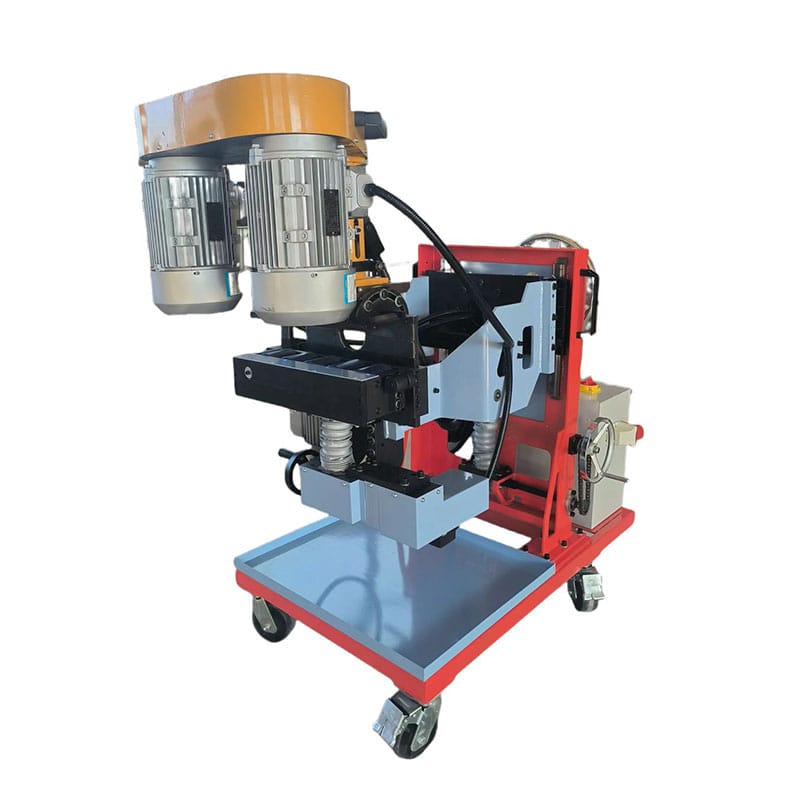
During beveling machine maintenance, cut quality is a useful condition-monitoring signal. Chatter may point to worn tooling, excessive feed, looseness, interrupted contact, or an unstable plate. A tapered land may indicate guide contamination, plate curvature, movement, or incorrect setup. Rising heat or load may reflect dull inserts, unsuitable parameters, or a developing mechanical problem.
Good beveling machine maintenance does not replace measurement. Check bevel angle, bevel width, root face, straightness, and surface condition using the approved method. If a result drifts toward a limit, stop and investigate before compensating with undocumented settings. For angle-related checks, see our weld bevel angle guide.
Build a Practical Maintenance Record
A useful beveling machine maintenance record connects machine condition to production evidence. Include the machine ID, date, operating hours if available, material and thickness, tooling ID, inspection results, lubrication, faults, parts replaced, measurements, and the person who released the machine.
Use consistent fault names so recurring patterns can be found. “Bad cut” is too vague; “root face tapered by direction of travel” or “roller does not rotate freely” gives maintenance staff a starting point. Review repeated events to decide whether training, incoming material control, spare-parts planning, or a service interval needs improvement.
Plan Spare Parts and Tool Changes
As part of beveling machine maintenance, keep critical consumables and approved replacement parts available without creating uncontrolled substitutions. A beveling machine maintenance plan should define minimum stock for inserts, fasteners specified as replaceable, filters, seals, and other model-specific items. Store tooling so cutting edges and precision seating surfaces are protected from impact and corrosion.
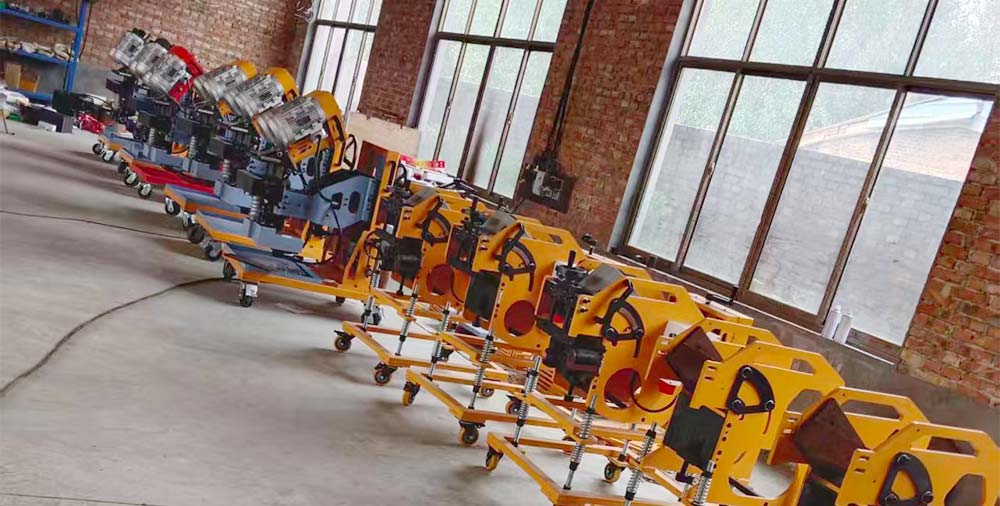
When selecting or supporting a machine, ask how tooling is identified, what routine service the operator can perform, and which tasks require a technician. Yuanli’s beveling equipment range includes machines for different groove widths and plate-handling conditions; the maintenance plan should match the chosen configuration and actual duty cycle.
Frequently Asked Questions
How often should beveling machine maintenance be performed?
Perform operator checks before each shift and follow the model-specific manual for periodic beveling machine maintenance. Adjust inspection frequency only through a documented risk and condition review.
Can compressed air be used to remove chips?
Use only the cleaning method allowed by the machine manual and site rules. Air can propel sharp particles or drive contamination into mechanisms. Eye and face protection must match the risk; OSHA provides general PPE requirements.
What signals that beveling inserts need replacement?
Consider the approved wear limit, chipping, surface finish, dimensional drift, cutting sound, heat, and machine load. Do not continue until the holder is damaged.
What should happen after a jam or impact?
Isolate the machine, document the event, and inspect the tooling, holder, guides, guards, and alignment according to the manual. Release it only after a controlled functional check and accepted test cut.
Why keep maintenance and first-piece records together?
The combined record shows whether a change in cut quality followed tool wear, service, setup, or material condition. That evidence makes beveling machine maintenance decisions more objective.
Turn Maintenance into Stable Edge Preparation
Effective beveling machine maintenance is a production-control system, not a cleaning exercise. Safe isolation, disciplined daily checks, correct tooling decisions, clean datum surfaces, planned lubrication, dimensional verification, and clear records keep the groove preparation process stable.
If you need help matching a beveling machine to your plate thickness, groove drawing, production rate, and maintenance capabilities, contact Yuanli with the application details. A clear duty description helps identify the machine and support routine that fit the work.