A shorter machine timer can increase output, but it can also leave burrs, damage edges, or create an inconsistent surface when the process is accelerated without evidence. mass finishing cycle time should be optimized around accepted parts, not around the smallest number displayed on a control panel.
This guide shows production engineers and finishing supervisors how to study mass finishing cycle time using a controlled baseline, representative input parts, timed samples, repeatable inspection, and a documented reaction plan. The objective is to remove avoidable time while protecting the drawing, surface requirement, cleanliness, and downstream operation.
For background on equipment and process selection, review our dry polishing machine guide, the comparison of mass finishing and manual polishing, and the neutral mass finishing overview.
Table of Contents
What Mass Finishing Cycle Time Really Includes
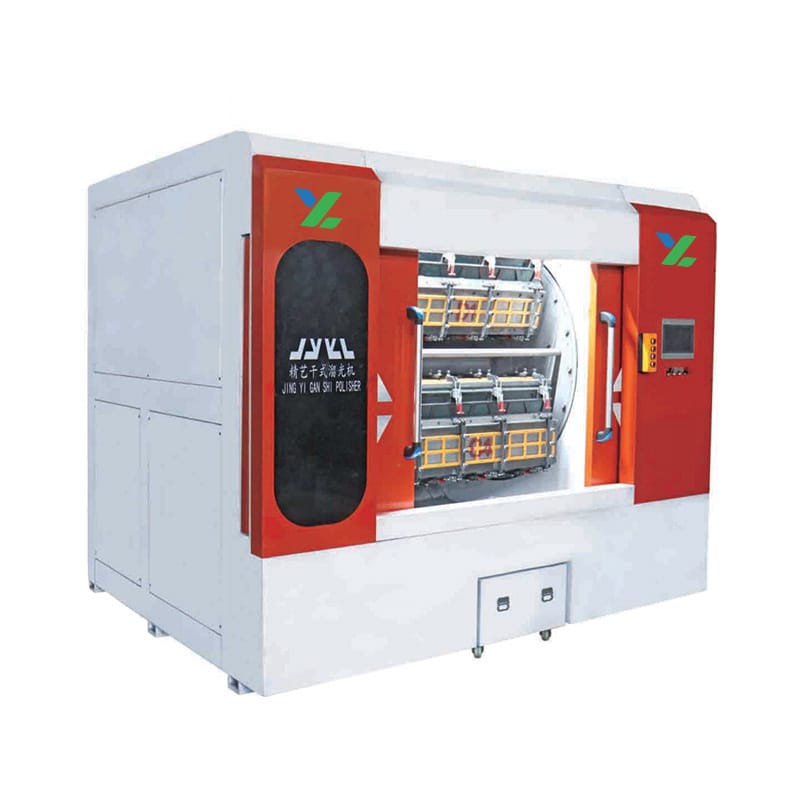
mass finishing cycle time includes more than the period when parts are moving inside a machine. A useful production measure also considers loading, media preparation, compound addition, separation, cleaning, inspection, unloading, and any waiting or rework created by an unstable process.
The machine portion of mass finishing cycle time ends when every required result has been achieved. Continuing beyond that point may add no value, while stopping before the slowest feature is complete can move work into manual correction. Measure both the processing interval and the supporting steps so the real constraint is visible.
Establish a Measured Baseline
Before changing mass finishing cycle time, record the current recipe and total flow. Include machine, load weight or volume, part count, media, part-to-media ratio, compound or additive, operating settings, timer value, cleaning method, separation method, inspection time, rejected parts, and rework.
Run the baseline with a representative production load. A carefully selected easy sample will understate mass finishing cycle time when normal batches contain larger burrs, mixed starting surfaces, recessed features, or parts that shield each other. Photograph or retain approved and unacceptable samples when the quality plan permits it.
Control the Starting Condition
Incoming variation often makes mass finishing cycle time appear unpredictable. Burr size, heat scale, machining marks, oil, oxidation, prior handling, and mixed alloys can require different exposure. If one batch begins in a more difficult condition, the same recipe may finish some parts and leave others incomplete.
Define the acceptable input range before optimizing mass finishing cycle time. When possible, correct the upstream cause of oversized burrs or heavy surface variation. Sorting visibly different inputs can be more reliable than forcing every part through a longer cycle designed for the worst occasional condition.
Understand the Variables That Change Cycle Time
Several variables interact during mass finishing cycle time. Changing multiple variables together makes it difficult to know which adjustment improved the result or created a new defect.
| Variable | Effect on the process | Control record |
|---|---|---|
| Starting condition | Changes the amount of work required | Burr, scale, roughness, cleanliness, and source |
| Media condition | Changes cutting or polishing action and access | Type, size distribution, wear, and contamination |
| Load ratio | Changes contact frequency, cushioning, and part-on-part risk | Part and media weight or volume |
| Compound or additive | Affects lubrication, cleanliness, and process action | Product, concentration or dosage, and lot |
| Machine action | Changes contact intensity and movement | Approved speed, direction, and operating mode |
| Stop criteria | Defines when additional exposure no longer adds required value | Timed samples and inspection result |
Treat the selected variables as one controlled recipe. When studying mass finishing cycle time, change only the factor that addresses the observed limitation, then repeat the trial under the same load and inspection conditions.
Use Timed Samples to Find the Completion Point
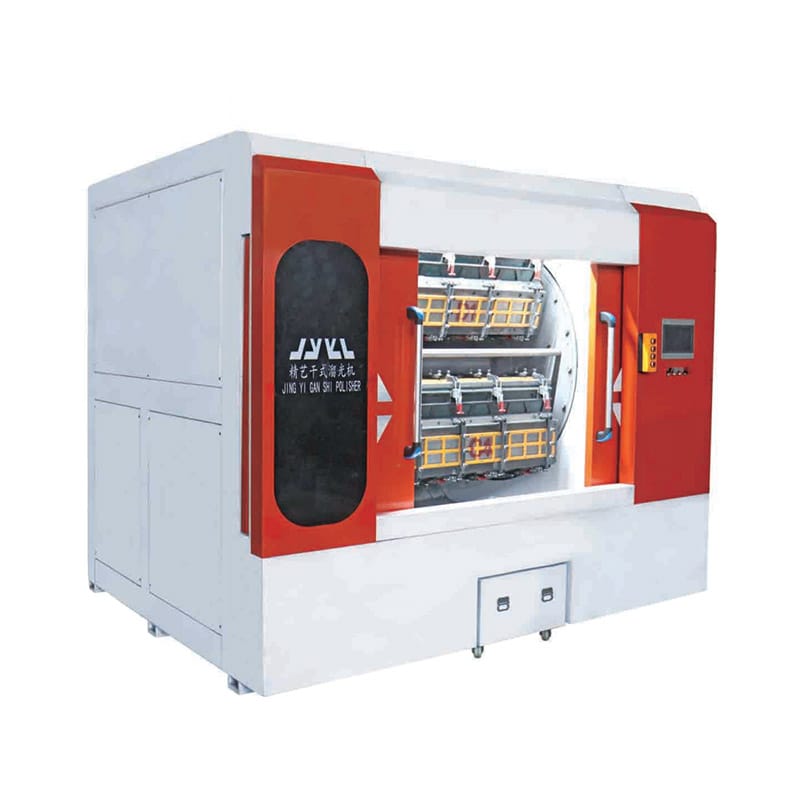
Timed sampling is the most direct way to locate an efficient mass finishing cycle time. Start with the approved baseline, then remove and label representative samples at planned intervals without changing the rest of the recipe. Inspect every feature that controls acceptance, not only the broad visible surface.
- Document the incoming condition and the complete baseline recipe.
- Select time intervals that can show meaningful process development.
- Run one representative load without changing media, ratio, compound, or machine action.
- Remove and label samples using a safe, approved procedure.
- Inspect burr removal, edge condition, roughness or appearance, cleanliness, and part damage.
- Identify the earliest interval that consistently meets every required criterion.
- Repeat the trial across normal input variation before changing production instructions.
The correct mass finishing cycle time is not the first point at which a part looks better. It is the earliest repeatable point at which the slowest required feature passes and protected dimensions or surfaces remain acceptable. NIST provides useful context for surface roughness terminology and parameters when a measured texture requirement applies.
Reduce Non-Processing Time
A machine timer may be acceptable while total mass finishing cycle time remains excessive because of loading, separation, cleaning, inspection, or queue time. Map the operator steps and material movement around the equipment. Look for repeated weighing, poor container placement, difficult media separation, missing gauges, and long waits for approval.
Improve handling without bypassing controls. Pre-staged approved media, clearly identified compounds, ergonomic containers, standard load records, and an inspection station near the process can reduce non-value-added mass finishing cycle time. Review Yuanli’s polishing equipment range when equipment capacity or separation requirements are part of the constraint.
Protect Quality While Shortening the Cycle
Every mass finishing cycle time reduction must protect the complete acceptance criteria. Faster action may increase part-on-part impacts, round edges, alter small features, trap media, create heat, or make the finish less uniform. A shorter timer that increases sorting or manual repair does not improve the production system.
Use the same lighting, gauges, surface method, and sampling locations for every mass finishing cycle time trial. Where a formal surface texture specification applies, use the terminology and method required by the drawing and applicable standards such as the ISO technical committee for dimensional and geometrical product specifications.
Troubleshoot an Unstable Cycle
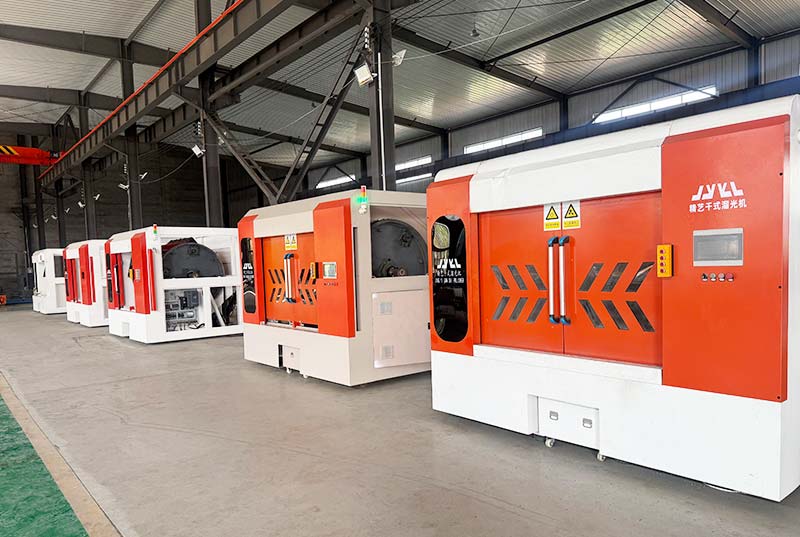
When mass finishing cycle time becomes longer or varies between loads, describe the symptom before adjusting settings. Determine whether the change follows incoming parts, media wear, contamination, load ratio, compound dosage, machine condition, operator method, or inspection practice.
| Observed condition | Likely areas to check | Controlled response |
|---|---|---|
| Late-stage processing adds little change | Media wear, weak process action, or result already complete | Use timed samples and restore the verified limiting variable |
| Some parts pass and others fail | Mixed inputs, shielding, or inconsistent loading | Sort inputs and standardize the load pattern |
| Shorter cycle damages parts | Excess action, low cushioning, or part-to-part contact | Protect parts before increasing intensity |
| Cycle differs by operator | Uncontrolled load, compound, timer, or stop decision | Use a measured recipe and defined release criteria |
| Cleaning or separation dominates | Media size, equipment arrangement, or handling method | Improve the supporting flow without changing the finish requirement |
Preserve samples and records from an unstable mass finishing cycle time long enough to compare the failed and corrected results. Avoid changing media, compound, speed, and load ratio at the same time, because the team will not know which factor restored the process.
Standardize the Approved Recipe
After the optimized mass finishing cycle time has been repeated successfully, issue a controlled recipe. Include part family and input range, machine, media, part-to-media ratio, compound, load, operating mode, timer, sample or inspection method, acceptance limits, separation, cleaning, and response to an abnormal condition.
Record actual values rather than only marking the mass finishing cycle time operation complete. Trend late cycles, rework, media additions, contamination, and separation problems. Those records can show whether performance changes after a material source, maintenance event, tool or media life point, or operator handoff.

Keep Cycle Improvements Safe
Reducing mass finishing cycle time must not encourage operators to bypass guarding, open equipment before movement stops, overload containers, or handle chemicals without the required controls. Follow the machine manual, site energy-isolation procedure, safety data sheets, and required personal protective equipment.
Changes to compound, additives, cleaning, or media may alter dust, contact, or waste considerations. Review the OSHA Hazard Communication guidance and the requirements that apply at the facility before introducing a new material or method into mass finishing cycle time.
Frequently Asked Questions
What is the best mass finishing cycle time?
The best mass finishing cycle time is the earliest repeatable interval that meets every specified finish, dimensional, cleanliness, and part-protection criterion across normal incoming variation.
Can higher machine speed always shorten the cycle?
No. Increasing action can cause unstable movement, heat, edge change, or part damage. Evaluate any mass finishing cycle time adjustment within the machine limits and with measured samples.
How many timed samples should be taken?
Use enough intervals to show how the controlling features develop, then repeat the chosen mass finishing cycle time with representative loads. The quality plan should define the final sampling frequency.
Should loading and inspection be included in cycle time?
Yes, when planning throughput. The machine timer is only one part of mass finishing cycle time; loading, separation, cleaning, inspection, and rework affect total production time.
When should the optimized cycle be reapproved?
Reapprove mass finishing cycle time after a change in part geometry, starting condition, material, media, compound, load, machine settings, maintenance, or acceptance requirement that can affect the result.
Improve the Complete Finishing Flow
A reliable mass finishing cycle time improvement comes from studying the complete flow rather than forcing a faster machine setting. Establish a measured baseline, control inputs, use timed samples, protect the slowest required feature, and reduce handling losses that do not contribute to the finish.
If you need to evaluate equipment capacity or a dry finishing recipe for a specific batch, contact Yuanli with the part material, dimensions, starting condition, finish target, current mass finishing cycle time, batch size, and known handling difficulty. Those details support a practical application review without unsupported performance promises.