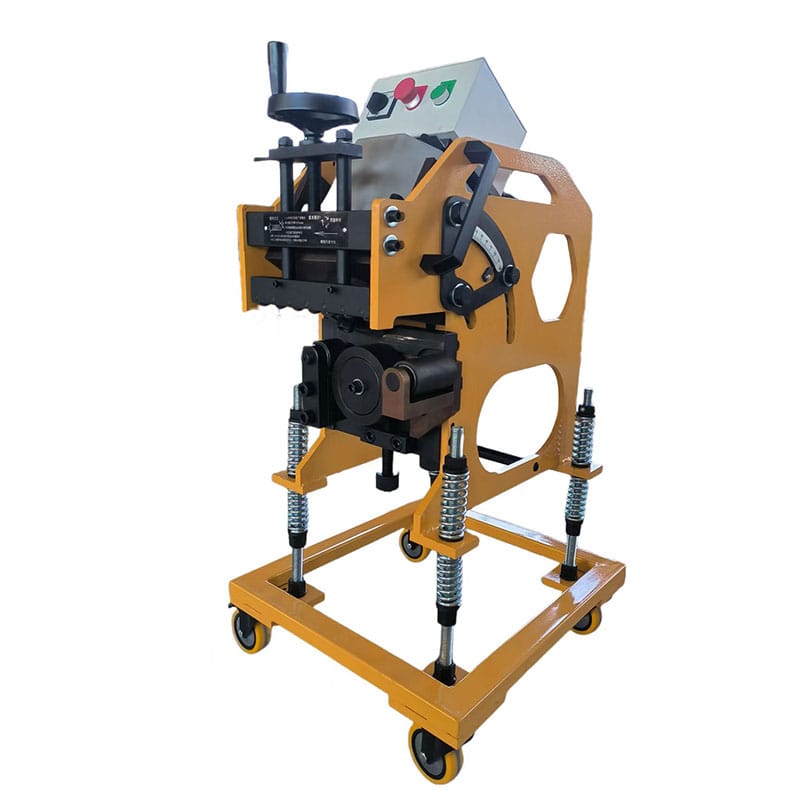
Stainless plate requires a clean, controlled edge because contamination, excessive heat, rough machining, and incorrect groove geometry can affect later fabrication. beveling stainless steel should be treated as a controlled manufacturing decision rather than a setting copied from another part. Material condition, geometry, equipment capacity, inspection criteria, and the next operation all influence the correct approach.
Welding engineers and production teams need a repeatable method that preserves the specified alloy condition and joint dimensions. This practical beveling stainless steel guide explains what to define before production, how to run a first-piece trial, which variables deserve routine checks, and how to respond when the result begins to drift.
Useful related resources include cold cutting beveling guide and weld root face guide. Use them with the current drawing, procedure, and quality plan; a general article cannot replace job-specific engineering requirements.
Table of Contents
Understanding Beveling Stainless Steel
Mechanical machining removes material without using a thermal cutting arc, but cutter condition and process parameters still influence heat and surface quality. In practice, beveling stainless steel works only when the input condition and acceptance criteria are defined in measurable terms. Descriptions such as “good finish,” “clean edge,” or “normal output” are too subjective for repeatable production.
The objective is a stable angle, root face, straightness, and clean surface compatible with the approved welding procedure. A controlled beveling stainless steel process therefore connects the incoming part, machine setup, consumables or tooling, cycle or feed conditions, inspection method, and release decision.
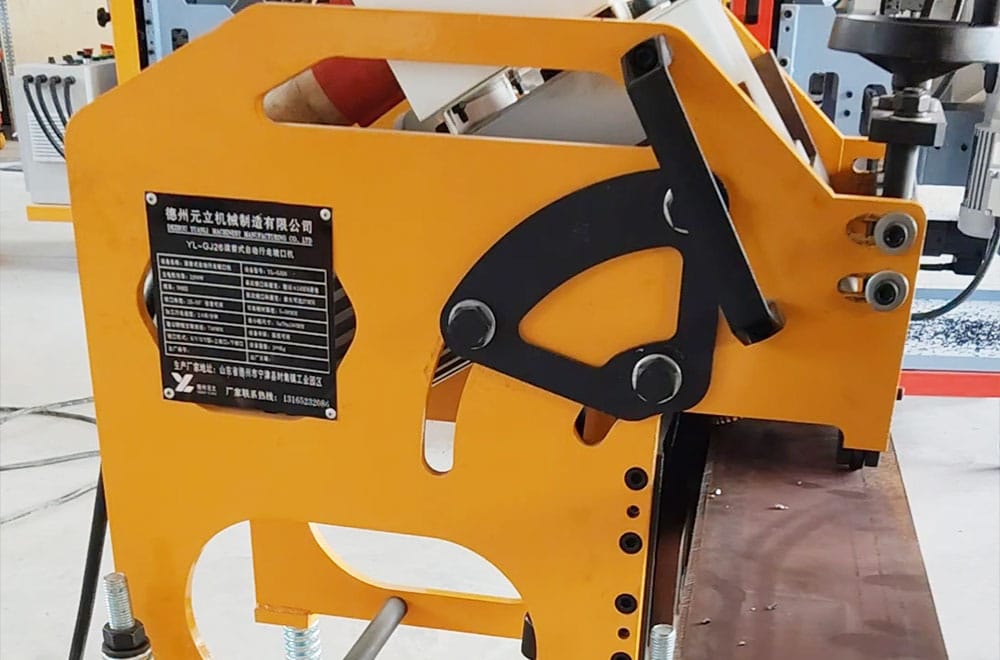
Define the Production Requirement
Identify the stainless grade, plate thickness, required groove, direction of rolling or forming where relevant, finish restrictions, and welding process. Before choosing beveling stainless steel, record the material, dimensions, incoming surface or edge condition, required result, tolerance, batch size, and downstream process. Identify surfaces that must not be changed and features that could trap media, chips, compound, or debris.
Define contamination controls for tools, brushes, supports, handling equipment, and storage before the plate reaches the beveling station. Confirm the governing documents and units. Where relevant, consult World Stainless resources and TWI stainless steel welding guidance. Standards and technical guidance provide context, but the contract and approved procedure govern the actual work.
Control the Main Process Variables
Effective beveling stainless steel depends on several interacting variables. Changing one variable can move the process in more than one direction, so avoid adjusting multiple items at once during a trial.
| Variable | Why it matters | What to record |
|---|---|---|
| Tooling condition | Sharp, suitable inserts reduce rubbing and unstable load | Insert grade, edge condition, change point |
| Feed and depth | Affect load, heat, chatter, and pass stability | Feed setting and pass sequence |
| Datum contact | Scale, debris, or curvature changes cut geometry | Cleanliness and guide contact |
| Contamination control | Carbon-steel residue can compromise the prepared surface | Dedicated or verified-clean contact items |
| Groove geometry | Angle, width, and land must match the drawing | Measurements at defined stations |
Use a controlled multipass plan when the required width exceeds a stable single-pass condition. For beveling stainless steel, select one controlled baseline, measure the first result, and change only the variable that addresses the observed condition. This makes cause and effect easier to understand.
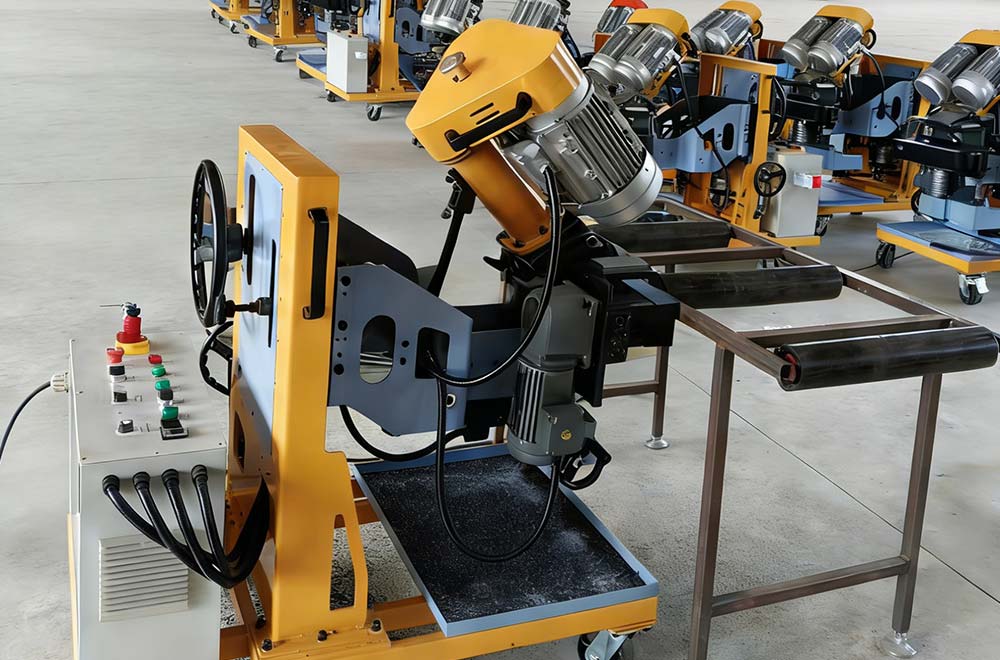
Build a Repeatable Workflow
Use a documented first-piece workflow whenever beveling stainless steel is introduced for a new part, material, thickness, geometry, or acceptance requirement. A representative trial is more useful than a clean sample that avoids the difficult features of real production.
- Verify alloy, thickness, drawing, WPS, and contamination restrictions.
- Clean the datum and inspect the incoming edge.
- Fit approved sharp tooling and confirm guide and clamp condition.
- Machine a short section using conservative documented parameters.
- Check heat, chips, sound, surface condition, angle, and root face.
- Adjust one variable at a time and repeat the trial.
- Clean, identify, and release the accepted edge without mixing it with carbon-steel work.
Release beveling stainless steel for the batch only when the result meets the specified criteria and the operator has recorded settings that can be reproduced. Repeat first-piece approval after a significant tool, media, compound, setup, or maintenance change.
Evaluate Equipment and Consumables
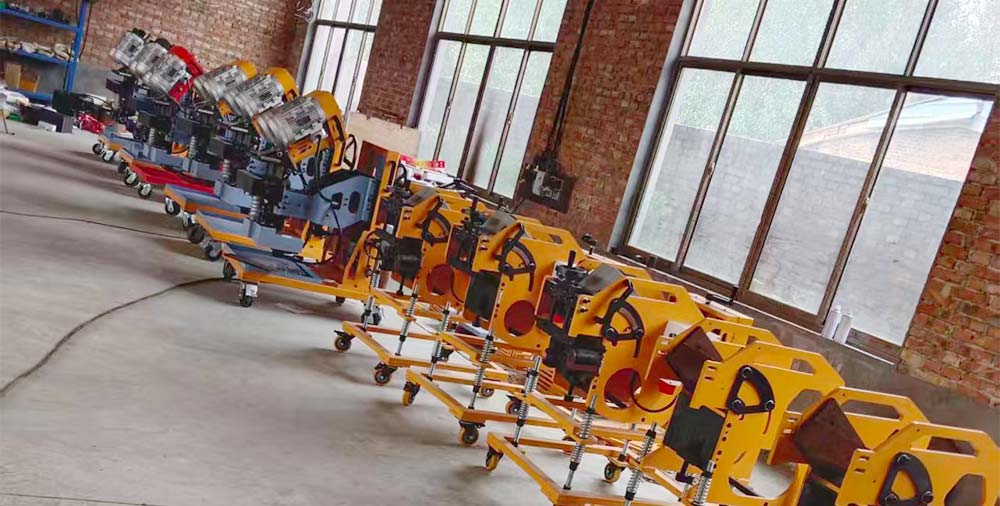
Compare machines by stable cutting capacity on the actual stainless grade and groove width, not only a nominal angle range. Compare the full working envelope for beveling stainless steel: part or plate size, load or support conditions, material range, achievable geometry or finish, tooling or media options, utility needs, changeover, cleaning, inspection access, and safe handling.
Review tool access, chip control, support needs, maintenance, dedicated cleaning, and the ability to hold the required root face. Review beveling equipment range for available equipment, then provide an actual application description rather than selecting from a single headline specification. beveling stainless steel capacity must be evaluated under the expected production conditions.
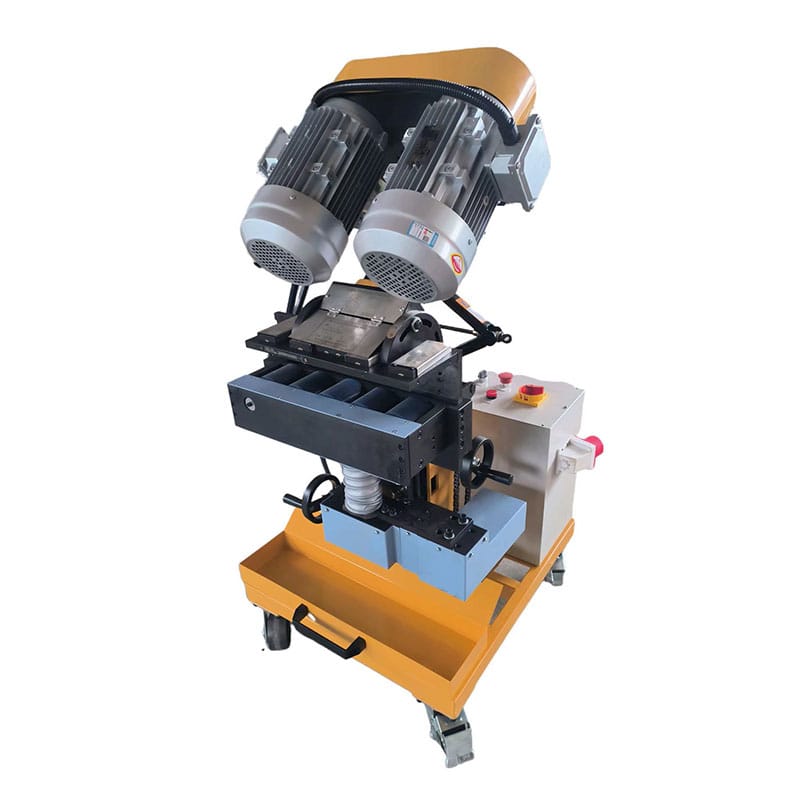
Measure the Result
Measure angle, land, width, straightness, and local surface defects at multiple positions along the plate. Inspection for beveling stainless steel should use a defined method, calibrated tools where required, an agreed sampling frequency, and a reaction plan. Measure at the locations most likely to show variation, not only at the easiest point.
Check cleanliness and handling after machining because a correct fresh edge can be contaminated during transport or storage. Separate input variation from process variation. Check the incoming condition before beveling stainless steel, document the processed result, and verify any later handling or assembly step that can change the measurement. Guidance such as ISO stainless steel surface guidance can help teams use consistent terminology and measurement practices.
Troubleshoot Common Problems
When beveling stainless steel produces an unacceptable result, describe the symptom precisely before changing settings. “Poor quality” should become a measurable statement about location, direction, amount, appearance, frequency, and the point in the cycle where it appears.
| Observed condition | Likely areas to check | Controlled response |
|---|---|---|
| Blue discoloration or excessive heat | Dull tooling, rubbing, excessive pass load, poor chip evacuation | Stop, inspect tooling, and restore approved parameters |
| Chatter marks | Tool wear, looseness, intermittent datum contact, unstable support | Correct rigidity and contact before recutting |
| Tapered root face | Plate curvature, guide contamination, movement, setting drift | Verify datum and measure from both ends |
| Embedded carbon-steel contamination | Shared tools, racks, brushes, or grinding debris | Segregate and apply the approved cleaning response |
Do not grind away evidence before the cause and final dimensions are checked. During beveling stainless steel, preserve the failed part or inspection record long enough to compare it with the corrected result. That evidence is more reliable than adjustments based only on memory.
Plan Safety and Maintenance
Stainless machining creates sharp chips, noise, rotating-tool hazards, and heavy plate-handling risks. beveling stainless steel can involve rotating machinery, moving workpieces, sharp edges, hot chips, chemicals, dust, noise, or stored energy depending on the equipment. Follow the machine and safety-data documentation, use required guards and PPE, and apply the site energy-isolation procedure before service.
Control nickel- and chromium-containing dust or fume from any later operation through the applicable industrial hygiene plan. Consult OSHA machinery requirements as an authoritative reference, while following local law and facility rules. Operators should know which checks they may perform and which beveling stainless steel tasks require qualified maintenance personnel.
Document Settings and Changes
A useful beveling stainless steel record includes the job and part ID, material, dimensions, incoming condition, machine, tooling or media lot, compound or lubricant where applicable, settings, cycle or feed data, inspection results, operator, date, and any corrective action.
Include alloy identification and contamination-control status in the setup and release record. Trend repeated beveling stainless steel exceptions by symptom and cause. Records can reveal whether variation follows a material source, tool-life point, maintenance event, load pattern, operator handoff, or inspection method.
Frequently Asked Questions
Is cold machining heat-free?
No. It avoids a thermal cutting arc, but friction still creates heat that must be controlled. The correct beveling stainless steel decision should be verified by a representative trial and the applicable procedure.
Can carbon-steel tools be used on stainless?
Follow the fabrication specification; dedicated or verified-clean tools are commonly required to prevent contamination. Record the actual beveling stainless steel result rather than relying on a nominal machine setting.
Why does stainless chatter during beveling?
Tool wear, pass load, rigidity, support, and datum contact are frequent areas to investigate. Stop and investigate when beveling stainless steel moves toward a tolerance limit or changes unexpectedly.
Should the edge be passivated after machining?
Follow the project specification and approved stainless fabrication procedure. Reapprove beveling stainless steel after a change that can affect the result.
Apply the Process to Production
Control geometry and cleanliness together from incoming inspection through fit-up. A reliable beveling stainless steel process begins with a clear search intent: solve the production problem while protecting the drawing, material, safety controls, and downstream operation. Define the inputs, approve a first piece, measure the output, and retain settings that operators can repeat.
For an application review, contact Yuanli with the material, dimensions, required result, tolerance, production volume, and current difficulty. Those details allow the beveling stainless steel requirement to be evaluated without inventing unsupported performance promises.