The media inside a dry planetary finishing process determines where contact occurs, how aggressively the surface changes, and whether small features remain protected. dry polishing media should be treated as a controlled manufacturing decision rather than a setting copied from another part. Material condition, geometry, equipment capacity, inspection criteria, and the next operation all influence the correct approach.
Production engineers, buyers, and finishing supervisors need a method that compares parts and finish targets instead of choosing only by media appearance. This practical dry polishing media guide explains what to define before production, how to run a first-piece trial, which variables deserve routine checks, and how to respond when the result begins to drift.
Useful related resources include dry polishing machine guide and mass finishing compound guide. Use them with the current drawing, procedure, and quality plan; a general article cannot replace job-specific engineering requirements.
Table of Contents
Understanding Dry Polishing Media
Dry finishing media can carry abrasives, polishing agents, or cushioning characteristics depending on its formulation and condition. In practice, dry polishing media works only when the input condition and acceptance criteria are defined in measurable terms. Descriptions such as “good finish,” “clean edge,” or “normal output” are too subjective for repeatable production.
Shape and size determine whether the media reaches recesses, bridges holes, lodges in slots, or concentrates pressure on edges. A controlled dry polishing media process therefore connects the incoming part, machine setup, consumables or tooling, cycle or feed conditions, inspection method, and release decision.
Define the Production Requirement
Define whether the goal is deburring, edge smoothing, oxide removal, surface refinement, brightening, or preparation for a later coating. Before choosing dry polishing media, record the material, dimensions, incoming surface or edge condition, required result, tolerance, batch size, and downstream process. Identify surfaces that must not be changed and features that could trap media, chips, compound, or debris.
Specify the material and starting surface because aluminum, stainless steel, carbon steel, brass, and coated parts respond differently and may impose contamination restrictions. Confirm the governing documents and units. Where relevant, consult abrasive fundamentals and mass finishing overview. Standards and technical guidance provide context, but the contract and approved procedure govern the actual work.
Control the Main Process Variables
Effective dry polishing media depends on several interacting variables. Changing one variable can move the process in more than one direction, so avoid adjusting multiple items at once during a trial.
| Variable | Why it matters | What to record |
|---|---|---|
| Media shape | Controls contact with flats, edges, holes, and recesses | Shape code and dimensional range |
| Media size | Affects access, separation, lodging risk, and contact count | Nominal size and screened condition |
| Abrasive character | Influences cutting rate and surface change | Media grade or supplier designation |
| Part-to-media ratio | Changes part protection and process intensity | Loaded weights or volumes |
| Cycle conditions | Time and machine action affect total exposure | Start, stop, speed, direction, and duration |
Screen worn or broken media when the approved process requires it, because a changing size distribution can alter access and separation. For dry polishing media, select one controlled baseline, measure the first result, and change only the variable that addresses the observed condition. This makes cause and effect easier to understand.
Build a Repeatable Workflow
Use a documented first-piece workflow whenever dry polishing media is introduced for a new part, material, thickness, geometry, or acceptance requirement. A representative trial is more useful than a clean sample that avoids the difficult features of real production.
- Inspect representative parts and document the starting surface.
- List holes, slots, threads, thin edges, and cosmetic zones that require protection.
- Choose candidate media whose size and shape avoid predictable lodging.
- Run separate, traceable trials using the same load and cycle conditions.
- Clean and inspect parts using the approved surface and dimensional criteria.
- Check separation efficiency and confirm that media is not trapped.
- Record the accepted media, load ratio, cycle, and replacement controls.
Release dry polishing media for the batch only when the result meets the specified criteria and the operator has recorded settings that can be reproduced. Repeat first-piece approval after a significant tool, media, compound, setup, or maintenance change.
Evaluate Equipment and Consumables
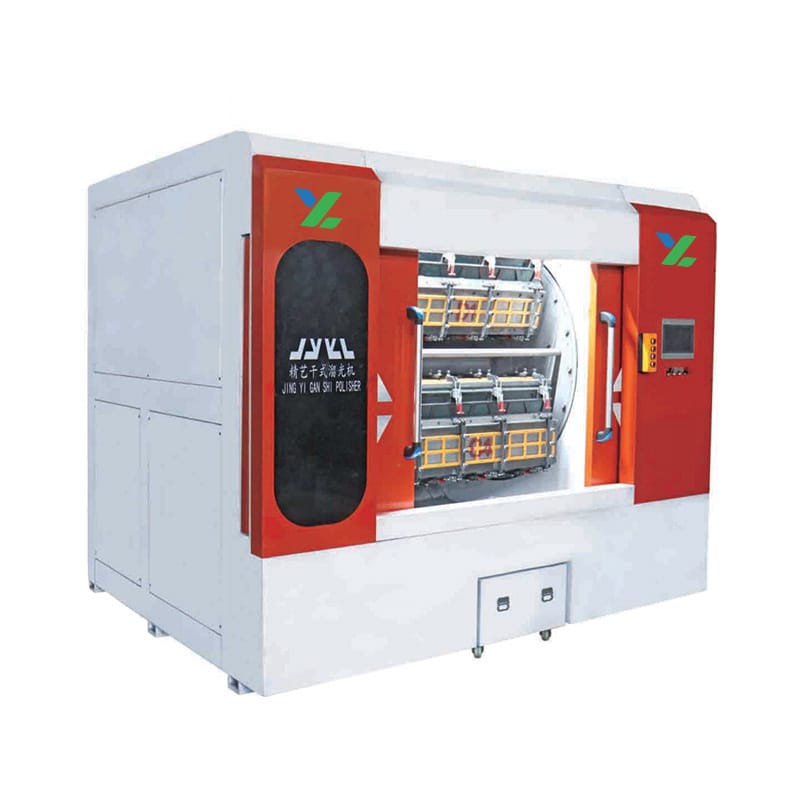
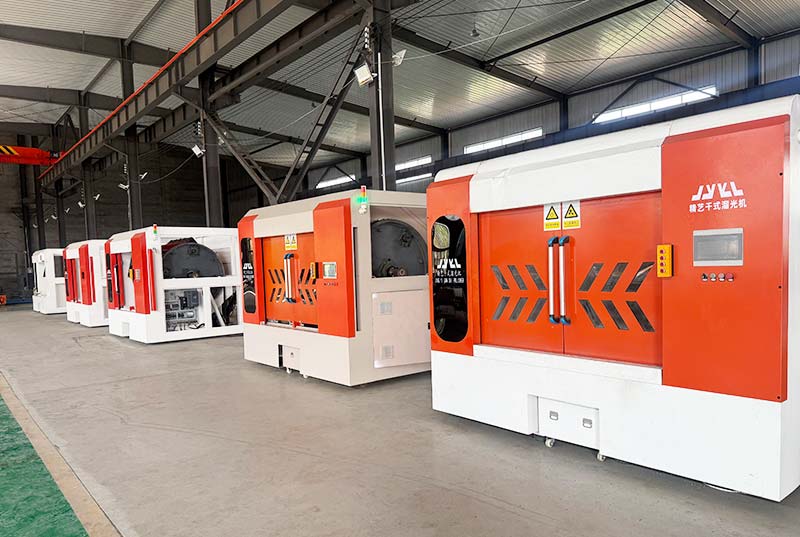
A media trial should be performed in the intended machine because motion, bowl or barrel geometry, load size, and part interaction affect the result. Compare the full working envelope for dry polishing media: part or plate size, load or support conditions, material range, achievable geometry or finish, tooling or media options, utility needs, changeover, cleaning, inspection access, and safe handling.
Ask how the media will be stored, screened, replenished, separated, and kept away from incompatible materials. Review Yuanli equipment range for available equipment, then provide an actual application description rather than selecting from a single headline specification. dry polishing media capacity must be evaluated under the expected production conditions.
Measure the Result
Use visual standards, surface roughness measurement where specified, edge or burr criteria, and functional checks that match the part drawing. Inspection for dry polishing media should use a defined method, calibrated tools where required, an agreed sampling frequency, and a reaction plan. Measure at the locations most likely to show variation, not only at the easiest point.
Do not claim a cosmetic improvement is a dimensional improvement; measure critical features independently when material removal is possible. Separate input variation from process variation. Check the incoming condition before dry polishing media, document the processed result, and verify any later handling or assembly step that can change the measurement. Guidance such as NIST surface roughness resources can help teams use consistent terminology and measurement practices.
Troubleshoot Common Problems
When dry polishing media produces an unacceptable result, describe the symptom precisely before changing settings. “Poor quality” should become a measurable statement about location, direction, amount, appearance, frequency, and the point in the cycle where it appears.
| Observed condition | Likely areas to check | Controlled response |
|---|---|---|
| Media lodges in holes or slots | Size distribution, shape, broken pieces, feature geometry | Stop the batch and test a non-lodging size or shape |
| Parts strike each other | Load ratio, cushioning, machine action, part geometry | Increase controlled separation or change fixturing strategy |
| Finish varies within one load | Mixed starting condition, shielding, load pattern, media wear | Sort inputs and standardize the load |
| Cycle becomes slower | Media contamination, wear, load change, compound condition | Restore one verified variable at a time |
Keep samples from each controlled trial and label them with the full media and cycle record. During dry polishing media, preserve the failed part or inspection record long enough to compare it with the corrected result. That evidence is more reliable than adjustments based only on memory.

Plan Safety and Maintenance
Media can create dust, sharp fragments, heavy lifting demands, and exposure to process additives. dry polishing media can involve rotating machinery, moving workpieces, sharp edges, hot chips, chemicals, dust, noise, or stored energy depending on the equipment. Follow the machine and safety-data documentation, use required guards and PPE, and apply the site energy-isolation procedure before service.
Review safety data sheets, ventilation, housekeeping, and disposal requirements before introducing a new formulation. Consult OSHA Hazard Communication guidance as an authoritative reference, while following local law and facility rules. Operators should know which checks they may perform and which dry polishing media tasks require qualified maintenance personnel.
Document Settings and Changes
A useful dry polishing media record includes the job and part ID, material, dimensions, incoming condition, machine, tooling or media lot, compound or lubricant where applicable, settings, cycle or feed data, inspection results, operator, date, and any corrective action.
Track media additions, screening, contamination events, and separation failures as well as the finished-part result. Trend repeated dry polishing media exceptions by symptom and cause. Records can reveal whether variation follows a material source, tool-life point, maintenance event, load pattern, operator handoff, or inspection method.
Frequently Asked Questions
Can one media finish every metal?
No. Material, finish target, geometry, contamination rules, and downstream operations change the choice. The correct dry polishing media decision should be verified by a representative trial and the applicable procedure.
How can media lodging be prevented?
Compare the complete media size distribution with every hole, slot, thread, and recess, then verify by trial. Record the actual dry polishing media result rather than relying on a nominal machine setting.
When should media be replaced?
Use the approved wear, performance, contamination, and size-distribution criteria rather than calendar time alone. Stop and investigate when dry polishing media moves toward a tolerance limit or changes unexpectedly.
Should different alloys share the same media?
Only when the process owner has assessed cross-contamination and quality requirements. Reapprove dry polishing media after a change that can affect the result.
Apply the Process to Production
The best selection balances finish change, part protection, separation, cleanliness, and stable replenishment. A reliable dry polishing media process begins with a clear search intent: solve the production problem while protecting the drawing, material, safety controls, and downstream operation. Define the inputs, approve a first piece, measure the output, and retain settings that operators can repeat.
For an application review, contact Yuanli with the material, dimensions, required result, tolerance, production volume, and current difficulty. Those details allow the dry polishing media requirement to be evaluated without inventing unsupported performance promises.