Table of Contents
What Is a Plate Beveler Machine?
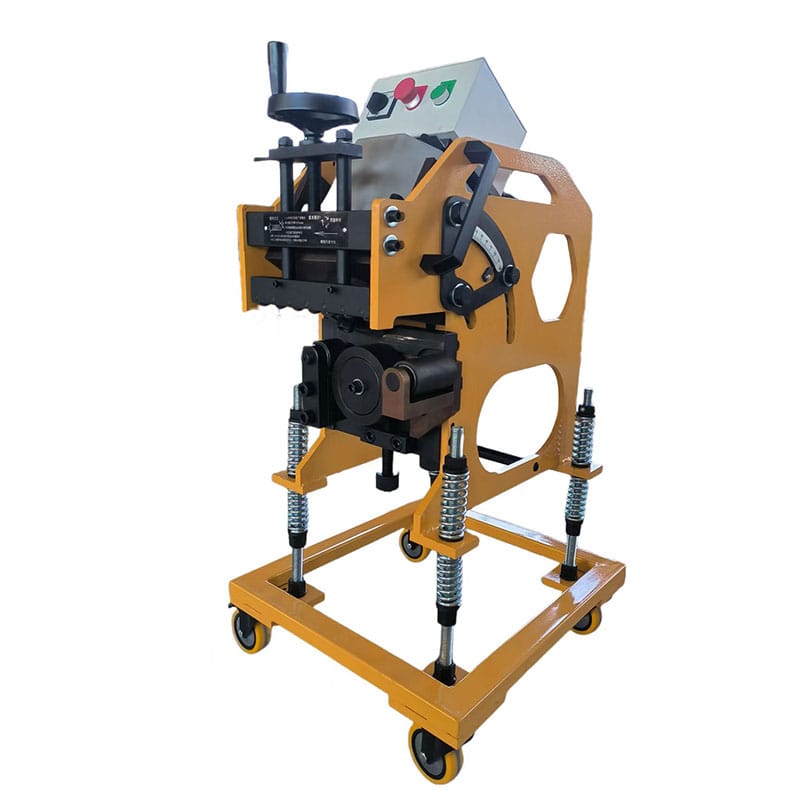
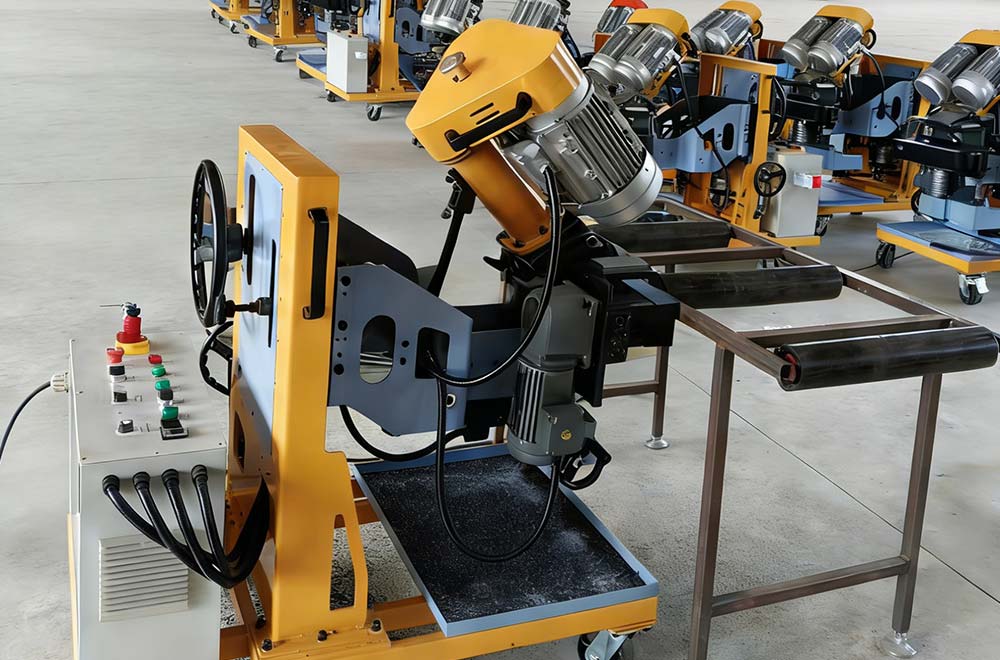
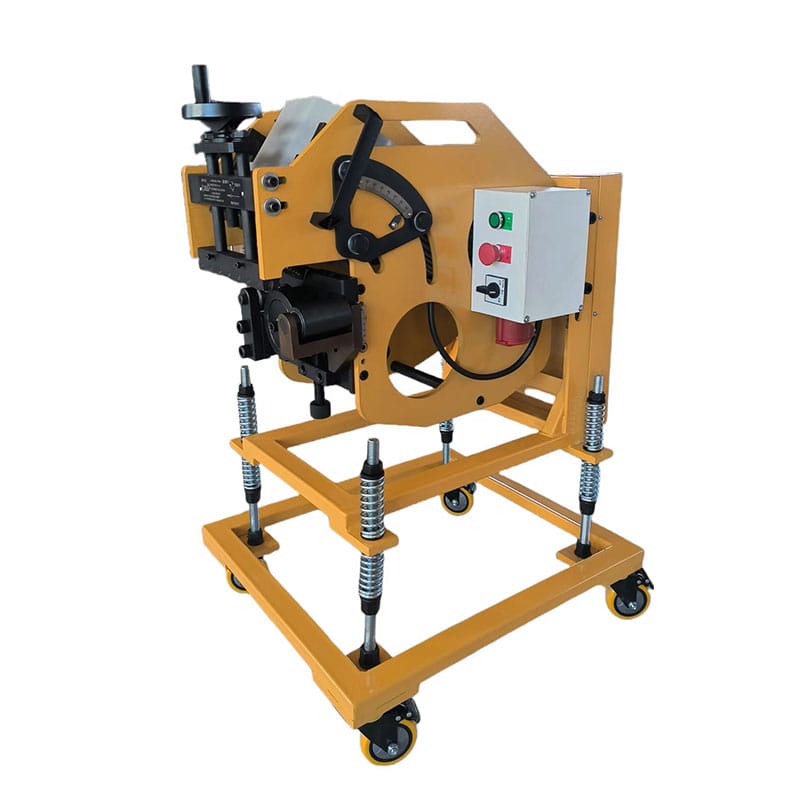
A plate beveler machine is a specialized metalworking solution used to create precise bevel edges on steel plates before welding or assembly. It is widely applied in fabrication workshops, shipbuilding yards, pressure vessel production, and pipeline construction where weld quality and joint consistency are critical.
From a manufacturing perspective, plate beveling equipment is designed to replace manual grinding or flame cutting methods, delivering higher accuracy, faster processing speed, and more consistent bevel geometry. As a manufacturer of plate beveler machines, we focus on engineering solutions that improve productivity while reducing operator workload and production costs.
Why Plate Beveling Matters in Metal Fabrication
Plate beveling plays a key role in ensuring strong and reliable weld joints. A properly beveled edge increases the surface area for welding, improving penetration and structural integrity.
In industries such as steel fabrication, oil and gas pipelines, and heavy equipment manufacturing, inconsistent bevel quality can lead to weak joints, rework, and increased production costs. Using a beveler machine ensures repeatable precision and stable processing quality, which is difficult to achieve with manual methods.
Types of Plate Beveler Machines Available
Different production environments require different beveling solutions:
- Portable beveler machine: Designed for on-site operations and flexible use
- CNC plate beveling machine: Offers high precision and automated control for mass production
- Automatic plate beveling equipment: Suitable for continuous industrial processing
- Manual and electric models: Used for small workshops and light fabrication tasks
Each type serves a specific production scale, from small repair jobs to heavy-duty industrial manufacturing.
Key Factors to Consider When Choosing a Beveler Machine
Selecting the right equipment depends on several technical and operational factors:
- Material type: carbon steel, stainless steel, or alloy steel
- Plate thickness range and processing requirements
- Required bevel angle accuracy and consistency
- Production volume and automation level
- Workshop space and machine installation conditions
- Motor power and energy efficiency
A proper evaluation of these parameters helps ensure long-term production stability and cost efficiency.
Plate Beveler Machine Specifications Explained
Understanding machine specifications is essential for correct selection:
| Specification | Description | Impact on Performance |
|---|---|---|
| Cutting Speed | Processing speed per minute | Affects productivity |
| Bevel Angle Range | Adjustable bevel angles | Determines application flexibility |
| Max Plate Thickness | Material thickness capacity | Defines machine capability |
| Motor Power | Power output of system | Influences cutting stability |
| Tooling System | Cutter type and durability | Affects maintenance cost |
Higher specification machines are typically used in heavy industrial environments where continuous operation and precision are required.
Comparing Plate Beveling Methods
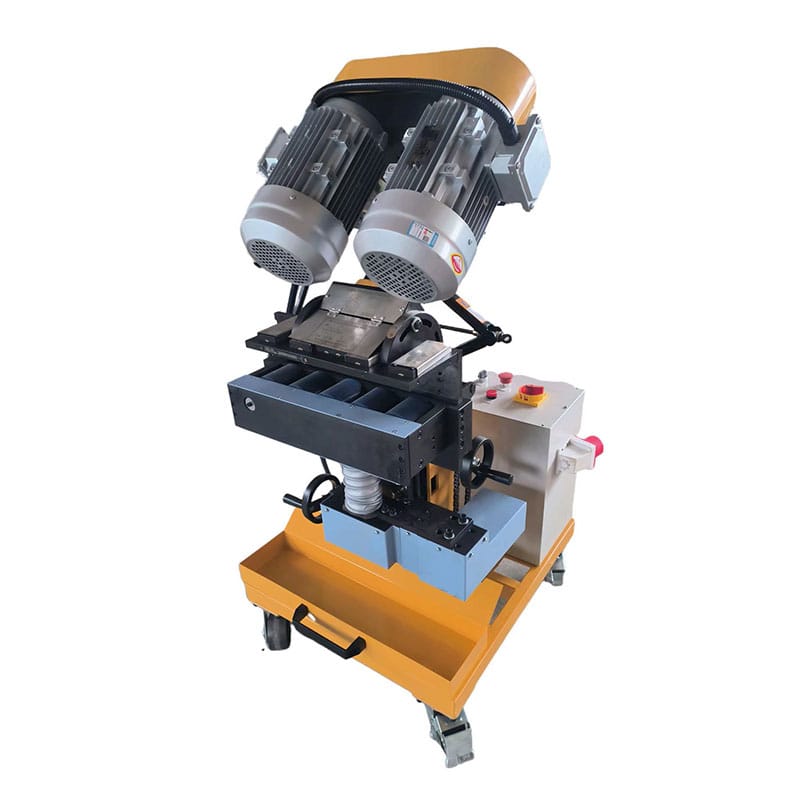
Different beveling methods offer different performance levels:
- Beveler machine vs grinding: Machines provide higher precision and consistency
- Beveler machine vs flame cutting: Mechanical beveling avoids heat deformation
- Beveler machine vs edge milling machine: Bevelers are faster and more cost-effective for standard operations
Overall, plate beveling machines deliver a better balance between efficiency, accuracy, and operational cost.
How to Select a Reliable Plate Beveler Machine Manufacturer
Choosing the right supplier is as important as choosing the machine itself. A professional manufacturer should provide:
- Proven production experience in metal fabrication equipment
- Strict quality control systems and industrial certifications
- OEM and customized machine solutions
- Stable global supply capability
- Technical support and after-sales service
Working directly with a beveler machine manufacturer helps reduce procurement risk and ensures consistent machine quality.
Cost Analysis of Plate Beveler Machines
The price of a plate beveler machine depends on configuration, automation level, and capacity.
| Machine Type | Price Range | Application |
|---|---|---|
| Portable beveler | Low to medium | On-site work |
| Automatic beveler | Medium | Workshop production |
| CNC beveling machine | High | Industrial mass production |
Additional costs may include tooling replacement, maintenance, and operator training. However, automated beveling significantly reduces labor cost and rework over time, improving overall ROI.
Industry Applications of Plate Beveler Machines
Plate beveling machines are widely used across multiple industries:
- Steel structure fabrication and construction projects
- Oil and gas pipeline welding preparation
- Shipbuilding and marine engineering
- Pressure vessel manufacturing
- Heavy machinery and structural steel processing
These applications require consistent bevel quality to ensure structural safety and welding reliability.
Maintenance and Safety Tips for Plate Beveler Machines
To maintain long-term performance, proper maintenance is essential:
- Regular inspection of cutting tools and components
- Timely replacement of worn inserts
- Machine calibration to maintain bevel accuracy
- Proper lubrication of moving parts
- Operator training for safe handling and operation
Following these practices helps extend machine lifespan and maintain stable production efficiency.
Conclusion
Choosing the right plate beveler machine is a strategic decision for any metal fabrication business. By understanding machine types, technical specifications, and application requirements, companies can significantly improve welding quality, production efficiency, and cost control.
As an experienced plate beveler machine manufacturer, we focus on delivering reliable, high-performance beveling solutions that support industrial production needs. Whether for portable on-site work or CNC-based mass production, selecting the right equipment ensures long-term operational stability and stronger competitiveness in the global fabrication market.
FAQ
What is a plate beveler machine used for?
A plate beveler machine is used to create precise beveled edges on metal plates to prepare them for welding and improve joint strength in fabrication projects.
What materials can a plate beveler machine process?
It is commonly used for carbon steel, stainless steel, alloy steel, and other heavy metal plates in industrial fabrication.
What is the difference between a portable and CNC plate beveler machine?
A portable model is used for on-site or flexible operations, while a CNC plate beveler machine provides automated, high-precision beveling for mass production.
How does a plate beveler machine improve welding quality?
It creates consistent bevel angles and smooth edges, which improves weld penetration, reduces defects, and increases structural strength.
What industries use beveler machines?
They are widely used in shipbuilding, oil and gas pipelines, steel structure fabrication, pressure vessel manufacturing, and heavy machinery production.