Table of Contents
What Is an Auto Beveling Machine and Why It Matters in Industrial Fabrication
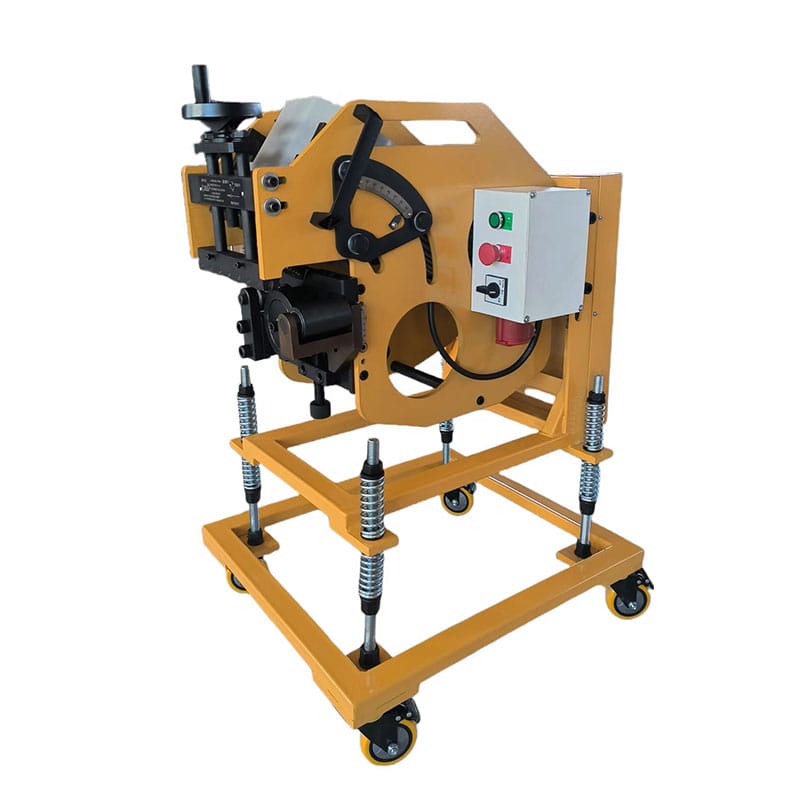
An auto beveling machine is a specialized industrial equipment designed to process metal edges into precise bevel shapes before welding or assembly. It is widely used in steel fabrication, pipeline construction, shipbuilding, and heavy equipment manufacturing.
Compared with manual edge grinding, an automatic beveling machine significantly improves consistency, reduces labor intensity, and ensures higher welding quality. For modern manufacturing industries, it has become an essential part of efficient production lines.
From a manufacturer’s perspective, the demand for high-precision beveling systems continues to increase as industries shift toward automation and standardized welding preparation processes.
How Auto Beveling Machines Work: Core Working Principle Explained
An auto beveling machine operates through a controlled mechanical cutting system that removes metal material at a defined angle. The core structure typically includes a cutting head, feeding system, clamping device, and control unit.
The machine works in a continuous process:
- The metal plate or pipe is fixed in position
- The feeding system moves the material or cutting head
- The beveling tool removes material at a preset angle
- CNC or automated controls maintain accuracy and consistency
Modern CNC beveling machines integrate digital control systems, allowing operators to adjust bevel angle, speed, and depth with high precision.
Hydraulic and electric drive systems are commonly used depending on the application. Hydraulic systems are preferred for heavy-duty industrial beveling, while electric systems are widely used in medium-scale fabrication workshops.
Types of Auto Beveling Machines Used in Industrial Applications
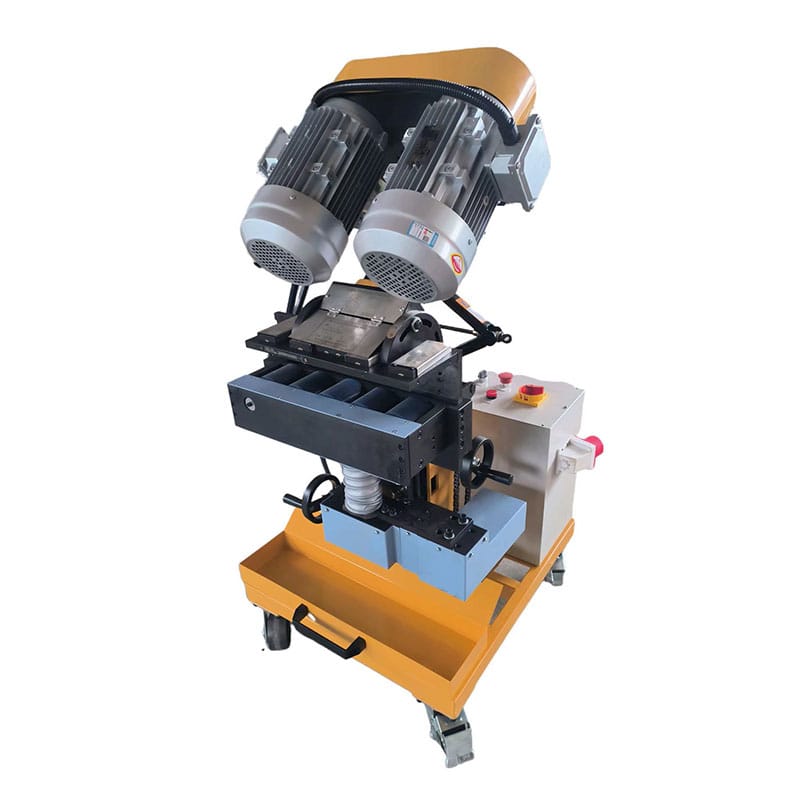
Different industrial needs require different beveling solutions. Below is a simplified comparison of common machine types:
| Machine Type | Application | Material | Key Advantage |
|---|---|---|---|
| Plate Beveling Machine | Steel plate fabrication | Carbon steel, stainless steel | High efficiency for flat sheets |
| Pipe Beveling Machine | Pipeline welding | Carbon steel pipes | Precision internal/external beveling |
| CNC Beveling Machine | Automated production lines | Multiple metals | High accuracy and programmable control |
| Portable Beveling Machine | On-site repair work | Light to medium steel | Flexible and easy to operate |
| Heavy-Duty Beveling System | Industrial mass production | Thick steel plates | Strong cutting capacity |
Each type of machine serves a specific role in metal processing industries, and selecting the right model depends on production requirements and material specifications.
Key Technical Features of High-Performance Auto Beveling Machines
When evaluating an industrial beveling solution, technical performance is a key factor. A high-quality auto beveling machine typically includes the following features:
- Adjustable bevel angle system (commonly 0°–60° or customized ranges)
- Wide material thickness compatibility
- High-speed cutting efficiency with stable output
- Durable alloy steel cutting blades
- CNC automation for repeatable precision
- Anti-vibration structure for stable operation
These features directly influence welding preparation quality and production efficiency in industrial applications.
Applications of Auto Beveling Machines in Different Industries
Auto beveling machines are widely used across multiple heavy industries where welding quality and structural strength are critical.
Main application areas include:
- Shipbuilding and offshore platforms
- Oil and gas pipeline welding projects
- Steel structure fabrication
- Pressure vessel manufacturing
- Heavy machinery and industrial equipment production
In these sectors, beveling accuracy directly affects welding penetration, joint strength, and long-term structural stability.
How to Choose the Right Beveling Machine for Your Production Needs
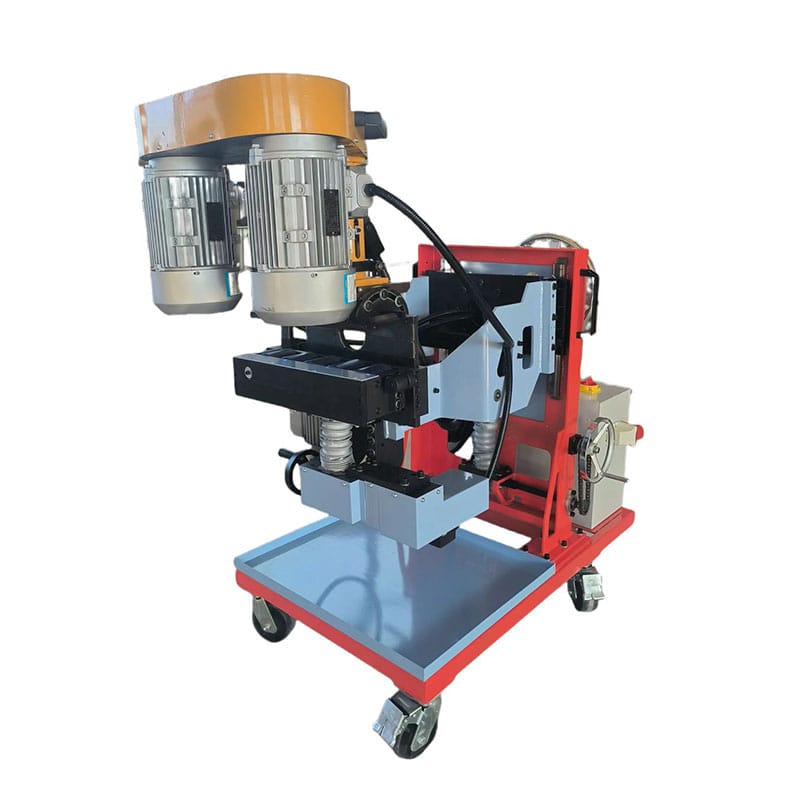
Selecting the right equipment requires evaluating both technical requirements and production scale. Key considerations include:
- Material type (carbon steel, stainless steel, alloy steel)
- Plate or pipe processing requirements
- Required bevel angle precision
- Daily production capacity
- Level of automation needed
A mismatch between machine capability and production demand often leads to inefficiency, higher maintenance costs, or reduced output quality.
Manufacturers often recommend CNC auto beveling machines for factories requiring high repeatability and stable mass production performance.
Auto Beveling Machine Price Factors and Cost Evaluation
The cost of an auto beveling machine varies depending on configuration, automation level, and processing capability. Below is a general breakdown:
| Cost Factor | Impact on Price | Description |
|---|---|---|
| Machine Size | Medium | Larger machines require stronger structures |
| Automation Level | High | CNC systems increase cost but improve efficiency |
| Material Capacity | High | Thick plate processing requires stronger systems |
| Custom Design | High | OEM solutions increase engineering cost |
| Drive System | Medium | Hydraulic systems are typically more expensive |
While initial investment may vary, industrial buyers usually focus on long-term ROI, including productivity gains, reduced labor costs, and improved welding quality.
Why Choosing a Reliable Auto Beveling Machine Manufacturer Matters
As a professional beveling machine manufacturer, product quality and engineering capability directly determine equipment performance.
Working with a direct factory provides several advantages:
- Stable product quality with strict manufacturing control
- Customized solutions for different industrial applications
- Competitive factory pricing without middle layers
- Technical support for installation and operation
- Long-term spare parts and maintenance service
In industrial procurement, choosing a reliable manufacturer is often more important than selecting the lowest price option, especially for continuous production environments.
Maintenance Tips to Improve Auto Beveling Machine Lifespan
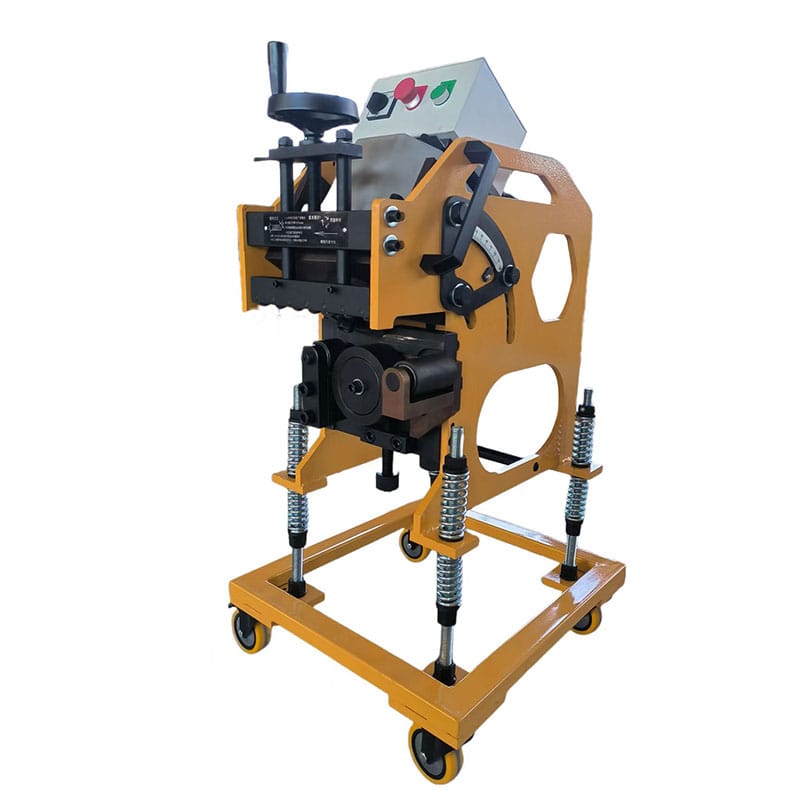
Proper maintenance ensures stable operation and longer equipment lifespan:
- Regular cleaning of cutting chips and debris
- Lubrication of mechanical transmission components
- Routine inspection of hydraulic and electrical systems
- Timely replacement of cutting blades
- Monitoring operating temperature during continuous use
Preventive maintenance helps avoid unexpected downtime and improves production stability.
Conclusion
An auto beveling machine plays a critical role in modern metal fabrication and industrial welding preparation. As industries continue to move toward automation and precision manufacturing, demand for efficient and reliable beveling solutions continues to grow.
Choosing the right machine requires careful consideration of material type, production capacity, and automation level. More importantly, working directly with a professional auto beveling machine manufacturer ensures better quality control, technical support, and long-term operational stability.
For manufacturers and industrial buyers, investing in a high-performance beveling solution is not just equipment selection—it is a strategic decision that directly impacts productivity, welding quality, and overall production efficiency.
FAQ
What is an auto beveling machine used for?
An auto beveling machine is used to prepare metal edges by cutting precise bevel angles for welding, mainly in steel fabrication, pipeline, and shipbuilding industries.
How does an auto beveling machine improve welding quality?
It ensures consistent bevel angles and smooth edges, which helps achieve stronger weld joints and reduces welding defects.
What materials can an auto beveling machine process?
It can process carbon steel, stainless steel, alloy steel, and other industrial metal plates or pipes depending on machine configuration.
What is the difference between CNC and standard beveling machine?
A CNC beveling machine offers programmable control, higher precision, and automation, while standard machines rely more on manual adjustment.
How do I choose the right beveling machine for my factory?
You should consider material type, thickness, production volume, bevel angle requirements, and whether you need full automation or basic operation.