Table of Contents
Introduction
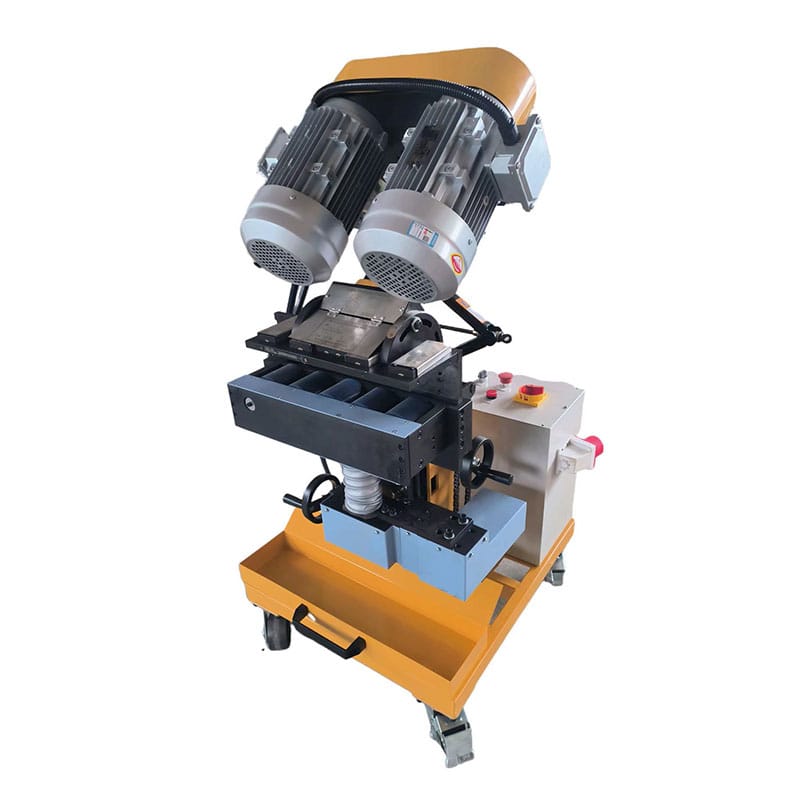
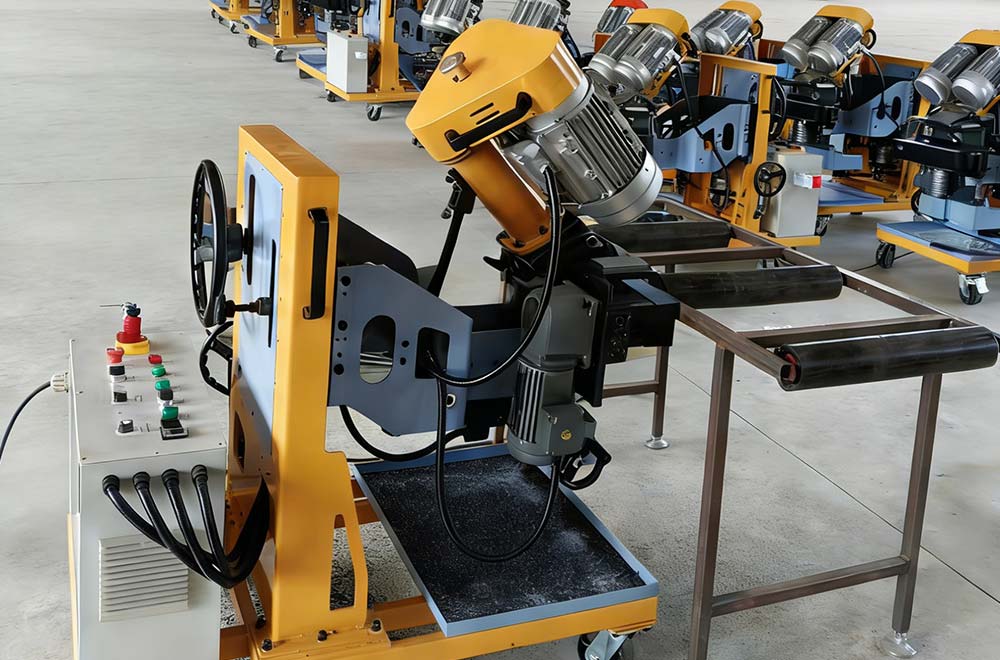
A plate bevel cutting machine is a specialized industrial tool designed to create precise beveled edges on metal plates, preparing them for welding, assembly, or further fabrication. These machines are essential in industries that require high precision, such as shipbuilding, automotive, heavy machinery, and structural steel fabrication.
Understanding the mechanics and advantages of a plate bevel cutting machine can help manufacturers, workshop owners, and metalworking professionals make informed decisions when investing in equipment. By selecting the right machine, you can improve cutting efficiency, maintain consistent quality, and reduce labor costs.
Key Features to Look for in a Plate Bevel Cutting Machine
When choosing a plate cutting machine, several key features ensure optimal performance and long-term value:
- Cutting Accuracy and Precision: Machines with CNC or automated controls provide consistent bevel angles and reduce human error.
- Automation Level: Options range from manual, semi-automatic, to fully CNC-controlled machines. Higher automation increases efficiency but may require a higher initial investment.
- Adjustable Cutting Angles: The ability to adjust angles is critical for projects involving complex joints or multi-angle welding applications.
- Durability and Build Quality: Industrial-grade materials, robust frames, and quality cutting components extend machine lifespan, even in heavy-duty applications.
Types of Plate Bevel Cutting Machines
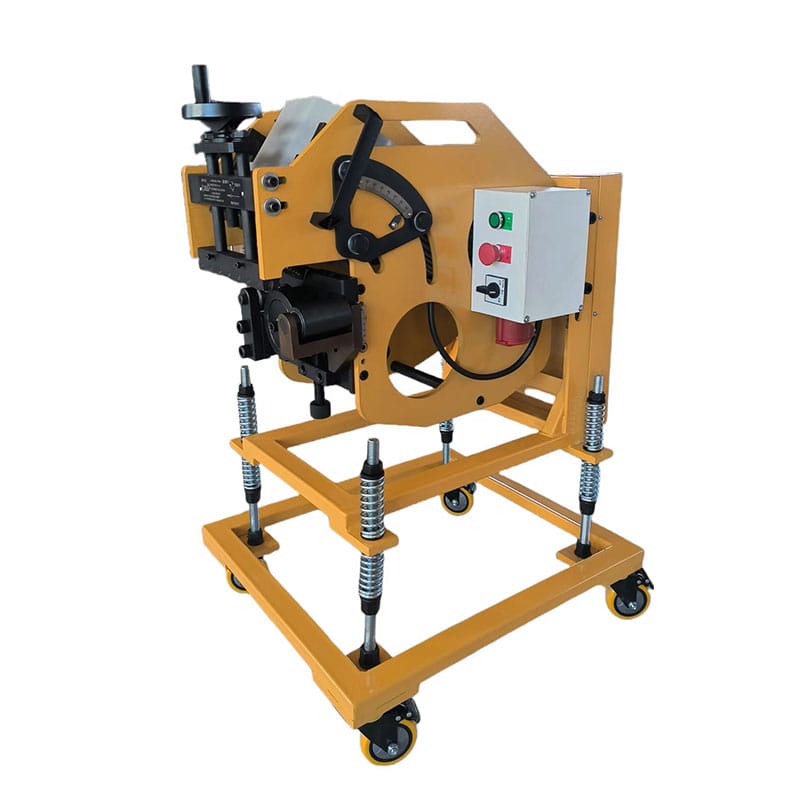
Understanding the different types helps you match the machine to your workshop needs:
- CNC Plate Bevel Cutting Machines: High precision, automated, ideal for high-volume industrial production.
- Manual and Semi-Automatic Models: Suitable for smaller workshops or occasional beveling tasks.
- Portable vs Heavy-Duty Machines: Portable machines offer flexibility for on-site cutting, while heavy-duty models handle thick steel plates with high consistency.
Advantages of Using a Plate Bevel Cutting Machine
Investing in a plate cutting machine offers numerous benefits:
- Improved Efficiency: Automation reduces manual labor and speeds up production.
- High Precision Bevels: Ideal for welding applications where edge accuracy affects joint quality.
- Consistency: Uniform bevels across multiple plates reduce material waste and ensure reliable assembly.
Plate Cutting Machine vs Other Cutting Methods
Choosing the right cutting technology depends on your specific needs. Here’s a quick comparison:
| Cutting Method | Advantages | Limitations |
|---|---|---|
| Plate Bevel Cutting Machine | High precision bevels, suitable for welding prep, consistent results | Higher initial cost, requires training |
| Plasma Cutting | Fast for general cuts, flexible | Less accurate bevel angles, rough edges |
| Laser Cutting | Extremely precise, clean cuts | Expensive, slower for thick plates |
Understanding these differences helps you determine whether a plate cutting machine is the most effective solution for your workshop.
Maintenance Tips for Long-Term Performance
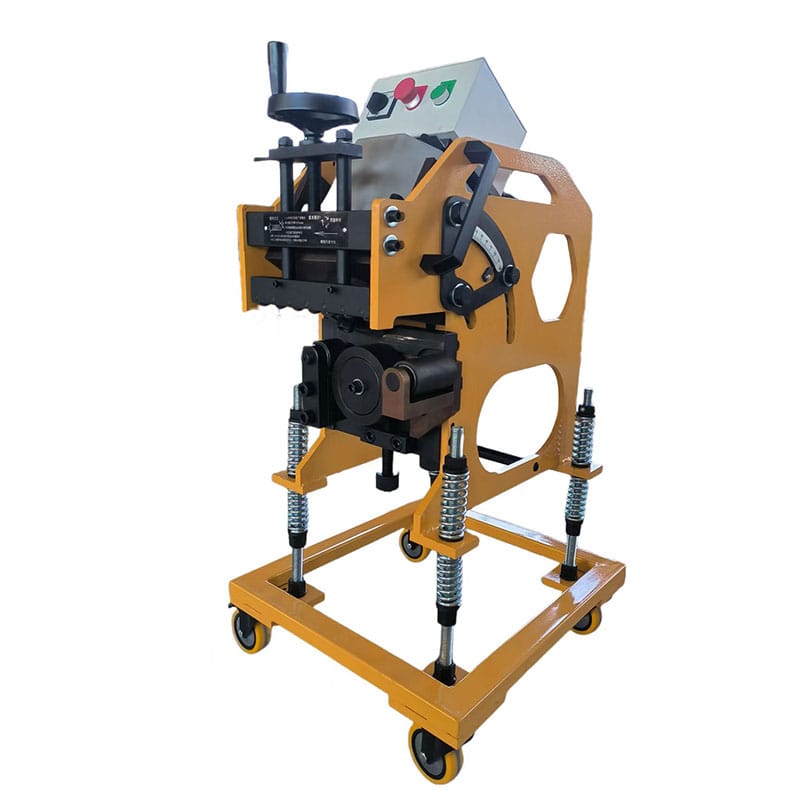
Proper maintenance ensures reliability and long service life:
- Routine Inspection and Lubrication: Regularly check moving parts, lubricate guides, and ensure smooth operation.
- Replacing Wear Parts: Cutting blades and consumable components should be replaced promptly to maintain precision.
- Safety Checks and Operator Training: Regular safety inspections and operator training reduce the risk of accidents and downtime.
How to Select the Right Supplier or Manufacturer
As a manufacturer of plate bevel cutting machines, we recommend considering the following when choosing a supplier:
- Quality Certifications and Factory Capabilities: Ensure the supplier adheres to industry standards and can deliver reliable machinery.
- Customer Support and After-Sales Service: Technical support, spare parts availability, and maintenance services are crucial for uninterrupted production.
- Customization Options: Many industrial projects require machines capable of cutting specific thicknesses, angles, or steel grades.
Common Applications of Plate Bevel Cutting Machines
The versatility of a plate cutting machine makes it suitable for multiple industries:
- Fabrication of Steel Plates for Construction: Accurate bevels ensure structural integrity.
- Welding Preparation: Prepares edges for high-quality welds in pipelines, machinery, and automotive components.
- Shipbuilding and Heavy Machinery: Handles thick steel plates and complex geometries with precision.
Cost Considerations and ROI
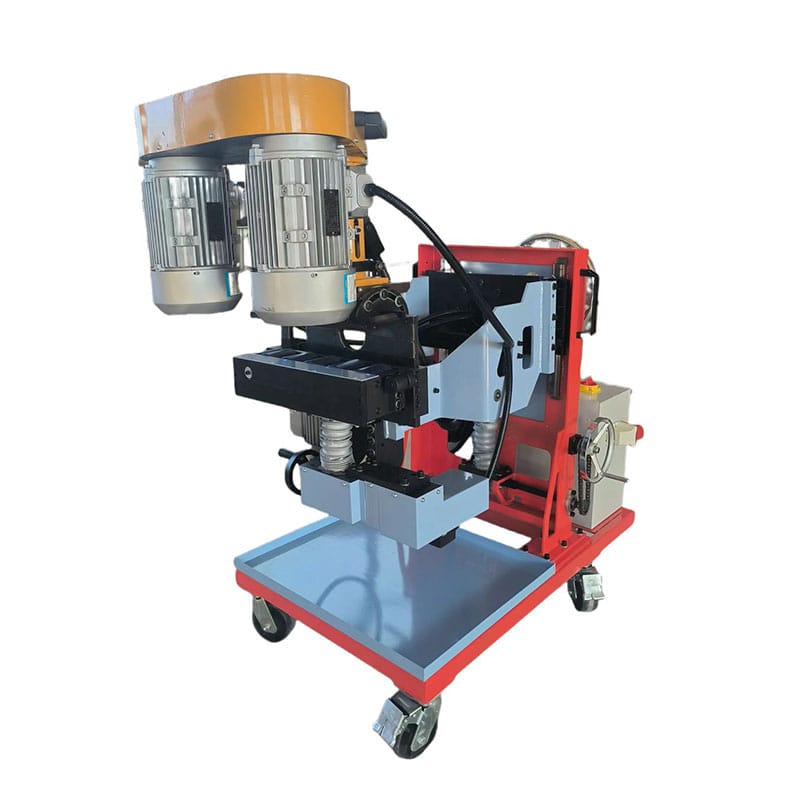
While the initial investment in a plate bevel cutting machine can be significant, the long-term benefits often justify the cost. Consider the following:
- Price ranges vary based on automation, cutting capacity, and industrial grade.
- Operational cost savings through reduced labor and faster production.
- Improved project quality reduces material waste and rework.
By calculating return on investment (ROI), businesses can see clear financial advantages in upgrading to modern, precise plate bevel cutting machinery.
Conclusion
Choosing the right plate bevel cutting machine is a critical decision for any metal fabrication workshop or industrial manufacturer. By understanding the types, features, and benefits, and by working with a reliable supplier, you can enhance efficiency, precision, and production quality. Investing in a high-quality plate bevel cutting machine ensures long-term reliability, reduces operational costs, and supports your business growth.
As a leading manufacturer, we offer a range of CNC, automatic, and heavy-duty plate bevel cutting machines tailored to meet diverse industrial requirements. Contact us today to find the ideal solution for your workshop and boost your productivity.
FAQ
Q1: What is a plate bevel cutting machine used for?
A: A plate bevel cutting machine is used to create precise beveled edges on metal plates, preparing them for welding, assembly, or fabrication. It ensures consistent angles and high-quality joints.
Q2: What types of plate bevel cutting machines are available?
A: There are CNC, semi-automatic, manual, and portable models. CNC machines are ideal for high-precision industrial work, while manual machines suit smaller workshops or occasional tasks.
Q3: How do I choose the right plate bevel cutting machine for my workshop?
A: Consider factors such as cutting precision, automation level, adjustable angles, plate thickness capacity, durability, and after-sales support from the manufacturer.
Q4: How does a plate bevel cutting machine compare to plasma or laser cutting?
A: Plate bevel cutting machines offer high precision for welding preparation and uniform bevels, while plasma is faster for general cuts and laser is highly precise but expensive for thick plates.
Q5: What maintenance is required for a plate bevel cutting machine?
A: Routine inspection, lubrication, blade replacement, and operator safety training are essential to ensure long-term performance and reduce downtime.