Table of Contents
Introduction
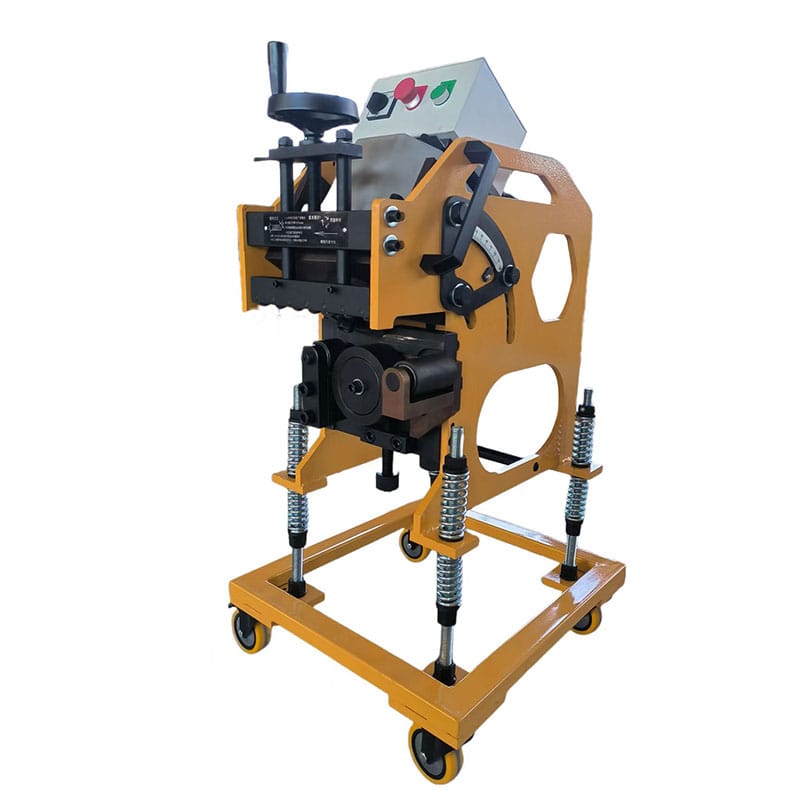
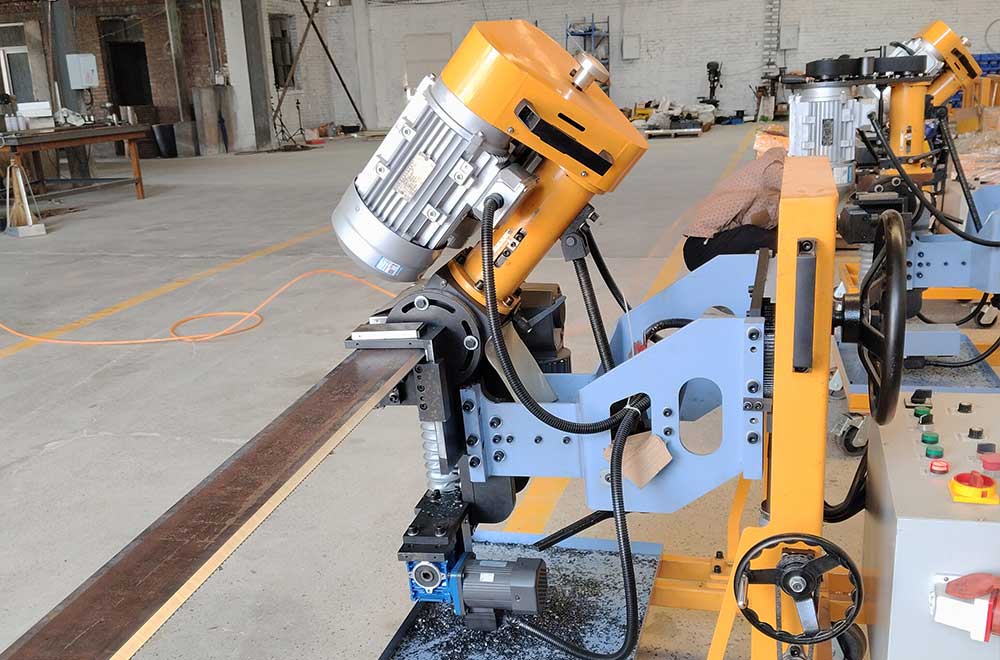
A plate bevelling machine is a vital tool in modern metal fabrication. Designed to create precise angled edges on steel, aluminum, and other metal plates, these machines play a crucial role in preparing materials for welding, assembly, and finishing. For manufacturers, investing in a high-quality plate bevelling machine ensures consistent production quality, reduces manual labor, and enhances overall workshop efficiency.
Whether you operate a small metal workshop or a large industrial fabrication facility, understanding the advantages and applications of plate bevelling machines is essential for improving workflow and maintaining competitive edge.
Key Features of Modern Plate Beveling Machines
Modern plate beveling machines come equipped with a variety of features that make them suitable for industrial use:
- Automation: Options include fully automatic, semi-automatic, and manual models. Automation ensures uniform beveling and reduces operator fatigue.
- Adjustable Angle and Thickness: Most machines allow adjustment of bevel angles from 15° to 60°, accommodating various project requirements.
- Precision and Stability: High-precision cutters and stable frames guarantee consistent edge quality across multiple plates.
- Safety and Ergonomics: Safety shields, emergency stops, and ergonomic handles are standard, making them safe for workshop operators.
Investing in these features ensures efficiency, reliability, and long-term savings.
Types of Plate Bevelling Machines
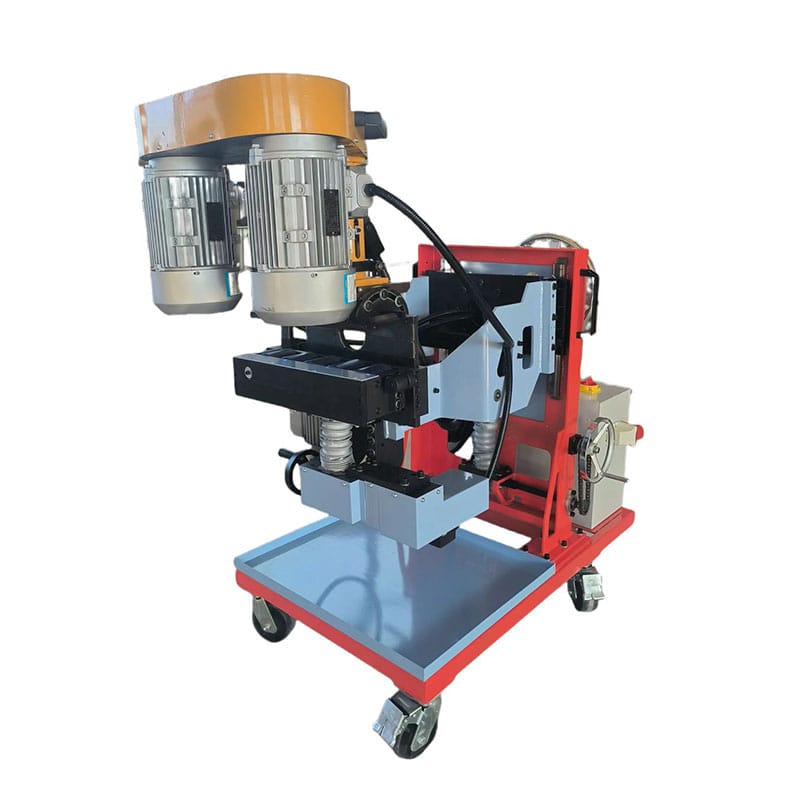
Choosing the right type of plate beveling machine depends on your production needs:
- Manual Plate Beveling Machines: Ideal for small workshops or low-volume projects. Easy to operate but requires more labor.
- Semi-Automatic Plate Beveling Machines: Provides a balance between efficiency and cost. Operators guide the machine while key functions are automated.
- Fully Automatic or CNC Plate Beveling Machines: Best for high-volume production. Offers precise beveling with minimal operator involvement.
Choosing the Right Type for Your Workshop
Consider plate thickness, material type, production volume, and budget. For heavy steel plates, hydraulic or CNC machines may offer better stability and efficiency, while small workshops may benefit from compact, portable models.
Benefits of Using a Plate Beveling Machine
Incorporating a plate beveling machine into your fabrication workflow brings several advantages:
- Increased Productivity: Faster beveling compared to manual methods.
- Improved Weld Quality: Precise bevel angles improve weld penetration and strength.
- Reduced Labor Costs: Automation minimizes manual intervention.
- Consistent Quality: Standardized beveling reduces errors and rework.
How to Operate a Plate Bevelling Machine Efficiently
To maximize efficiency, follow these guidelines:
- Preparation: Ensure the plate is clean and properly positioned.
- Setting Parameters: Adjust bevel angle, cutting speed, and depth according to the plate material and thickness.
- Operation: Use consistent feed rates and monitor the cut to maintain precision.
- Maintenance: Regular lubrication, blade replacement, and cleaning prolong the life of your machine.
Proper operation not only improves workflow but also enhances safety in the workshop.
Comparing Plate Bevelling Machines with Other Edge Processing Methods
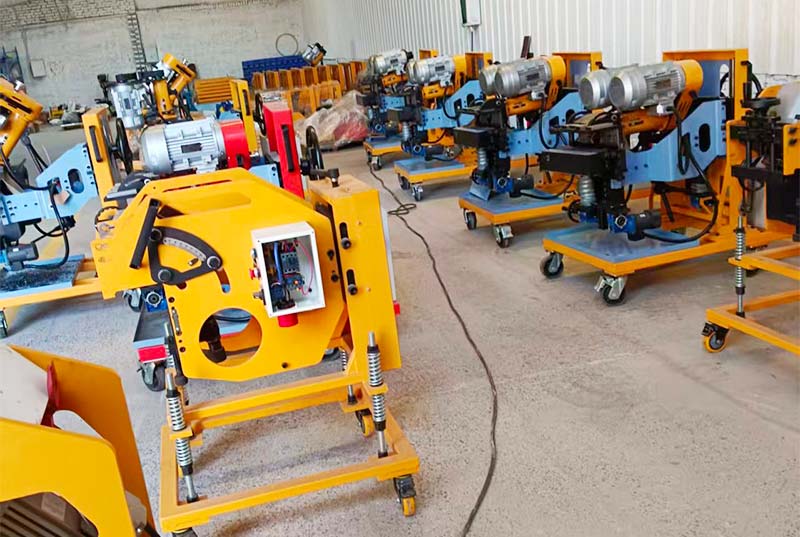
Plate bevelling machines offer advantages over traditional edge grinding or laser cutting:
- Edge Grinding: Suitable for small corrections but less consistent for large plates.
- Laser Cutting: Provides clean edges but may require additional preparation for welding.
- Plate Bevelling Machine: Combines speed, precision, and adaptability, making it ideal for welding preparation.
When selecting a method, consider plate thickness, material type, and the required bevel angle.
Selecting the Best Plate Bevelling Machine for Your Business
Key factors to consider when purchasing a plate bevelling machine include:
- Automation Level: Manual, semi-automatic, or fully automatic.
- Processing Capacity: Maximum plate thickness and width.
- Cutting Accuracy: High-precision blades ensure quality results.
- Supplier and Manufacturer Support: Direct purchase from a reliable manufacturer guarantees warranty, spare parts, and technical support.
Tips for Buying Directly from Manufacturers
Purchasing directly from a manufacturer, like our company, ensures access to:
- Customizable machine specifications
- Competitive pricing
- Full technical support and maintenance services
This approach is particularly beneficial for workshops seeking reliable, long-lasting solutions.
Case Studies and Industry Applications
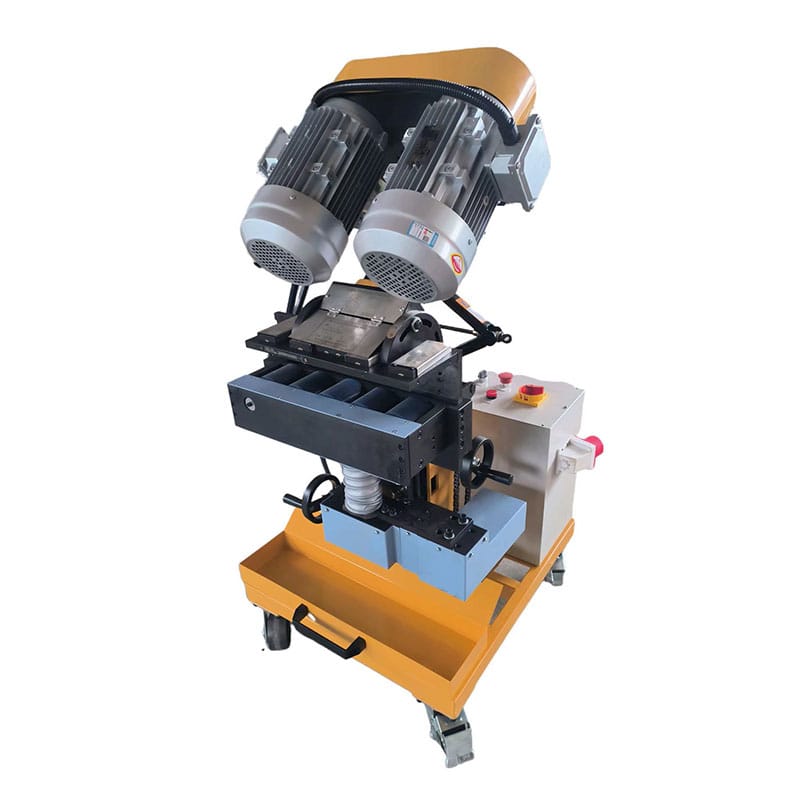
Plate bevelling machines are widely used across various industries:
- Steel Structures: Prepares beams and plates for welding.
- Shipbuilding: Ensures precise beveling for hull sections.
- Heavy Machinery: Supports assembly of large-scale equipment components.
Real-world examples show that integrating a plate beveling machine can reduce production time by up to 40% and significantly improve edge quality, leading to fewer welding defects.
Conclusion
A plate bevelling machine is more than just a piece of equipment—it’s an investment in efficiency, quality, and productivity for your workshop or fabrication facility. By choosing the right type, understanding operational best practices, and leveraging manufacturer support, you can streamline your workflow, reduce labor costs, and ensure consistent, high-quality results.
As a manufacturer, we offer a full range of plate bevelling machines designed to meet diverse industrial needs, from compact workshop models to high-volume fully automatic machines. Selecting the right machine for your workflow is the first step toward transforming your metal fabrication process and maximizing your ROI.
FAQ
Q1: What is a plate bevelling machine used for?
A plate bevelling machine is used to create precise angled edges on metal plates, preparing them for welding, assembly, or finishing in industrial fabrication.
Q2: How do I choose the right plate beveling machine for my workshop?
Consider factors like plate thickness, production volume, automation level (manual, semi-automatic, or fully automatic), and cutting precision. A high-precision or hydraulic plate bevelling machine may suit heavy industrial use.
Q3: Can a plate bevelling machine improve welding quality?
Yes. By producing consistent bevel angles, a plate bevelling machine ensures better weld penetration, reduces defects, and improves overall joint strength.
Q4: What maintenance is required for a plate beveling machine?
Regular maintenance includes cleaning, blade replacement, lubrication, and checking alignment. Proper care prolongs machine life and maintains accuracy.
Q5: Where can I buy a reliable plate beveling machine?
Buying directly from a trusted manufacturer ensures access to quality machines, warranty support, and customizable options for different workshop needs.