Table of Contents
What Is a Bench Polishing Machine and Why It Matters

A bench polishing machine is an essential tool for achieving precise, high-quality finishes on metals, jewelry, and other materials. Unlike hand polishing, which can be time-consuming and inconsistent, a bench polishing machine provides consistent speed, pressure, and control, making it ideal for workshops, industrial settings, and hobbyists alike.
Industries such as jewelry making, metal fabrication, automotive repair, and small-scale manufacturing rely heavily on these machines for polishing, buffing, and finishing tasks. By using a bench polishing machine, professionals can reduce manual labor, improve efficiency, and achieve a superior surface finish that meets high-quality standards.
The benefits of using a bench polishing machine include faster workflow, more precise results, reduced operator fatigue, and the ability to handle a wide variety of materials, from stainless steel and brass to aluminum and precious metals.
Key Features to Look for in a Bench Polishing Machine
When choosing a bench polishing machine, several features determine the machine’s performance and suitability for your needs:
- Motor Power and Speed Options: Variable speed motors allow for precise control depending on the material and finish required.
- Wheel and Belt Types: Different polishing wheels and belts are suited for metals, jewelry, and delicate surfaces.
- Safety Features: Guards, emergency stop buttons, and stable bases are critical to prevent accidents.
- Size and Workspace: Compact machines are ideal for small workshops, while larger models are better suited for industrial use.
Selecting the right combination of these features ensures that your bench polishing machine performs efficiently, safely, and reliably over time.
How to Choose the Right Bench Polishing Machine for Your Needs
As a manufacturer, we recommend evaluating your specific requirements before purchasing a bench polishing machine. Consider these factors:
- Home Workshop vs Industrial Use: Smaller machines with lower power are perfect for home projects, while industrial workshops need machines with higher horsepower and larger wheels.
- Budget Considerations: Investing in a high-quality machine may cost more upfront but saves money in maintenance and replacement over time.
- Model Comparison: Compare popular models and specifications, including speed range, wheel size, and build quality, to find a machine that matches your workflow.
By choosing the right bench polishing machine, you ensure better results, less downtime, and long-term durability.
Step-by-Step Guide to Using a Bench Polishing Machine
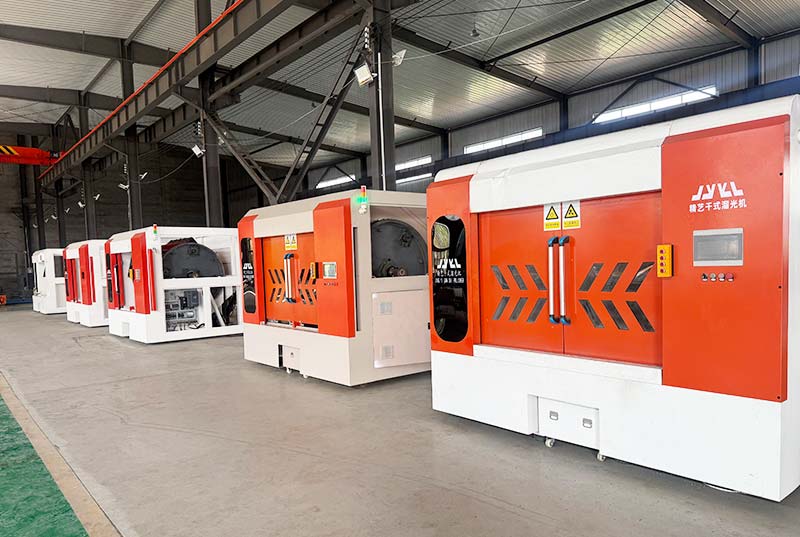
Proper usage of a bench polishing machine is key to maximizing efficiency and maintaining safety. Follow these steps:
- Prepare Your Workspace: Ensure the area is clean and free of clutter. Wear safety glasses, gloves, and a dust mask.
- Load Materials Correctly: Position the item securely against the polishing wheel. Start at a lower speed if you are new to the process.
- Polishing Techniques: Use consistent pressure and motion. For metals, begin with coarse polishing wheels, then move to finer abrasives for a smooth finish.
- Avoid Common Mistakes: Do not force the material against the wheel and avoid uneven pressure to prevent gouges or scratches.
Maintenance Tips to Extend the Life of Your Bench Polishing Machine
Regular maintenance ensures your machine operates efficiently and safely:
- Cleaning and Lubrication: Remove debris after each use and lubricate moving parts according to the manufacturer’s recommendations.
- Replacing Wheels and Belts: Inspect belts and wheels for wear. Replace damaged or worn parts promptly.
- Troubleshooting Common Issues: If the machine vibrates excessively or makes unusual noises, check alignment, motor bearings, and wheel balance.
Bench Polishing Machine for Different Applications
A versatile bench polishing machine can be used in multiple applications:
| Application | Recommended Machine Type | Tips for Best Results |
|---|---|---|
| Jewelry | Small, high-speed machines | Use soft polishing wheels for delicate metals |
| Metal Fabrication | Industrial, high-power machines | Coarse wheels for initial polishing, fine wheels for finishing |
| DIY Projects | Compact benchtop machines | Ensure proper safety guards and consistent pressure |
| Automotive Parts | Heavy-duty bench machines | Clean and degrease parts before polishing |
These applications show the flexibility and importance of selecting a machine that fits the intended purpose.
Bench Polishing Machine Safety Guidelines
Safety is paramount when operating a bench polishing machine:
- Personal Protective Equipment (PPE): Always wear safety glasses, gloves, and ear protection.
- Safe Handling: Keep hands away from spinning wheels, and secure loose clothing and hair.
- Emergency Procedures: Know how to stop the machine quickly in case of accidents, and never leave the machine running unattended.
Following these safety practices protects both the operator and the equipment.
How Choosing the Right Bench Polishing Machine Boosts Efficiency and Quality
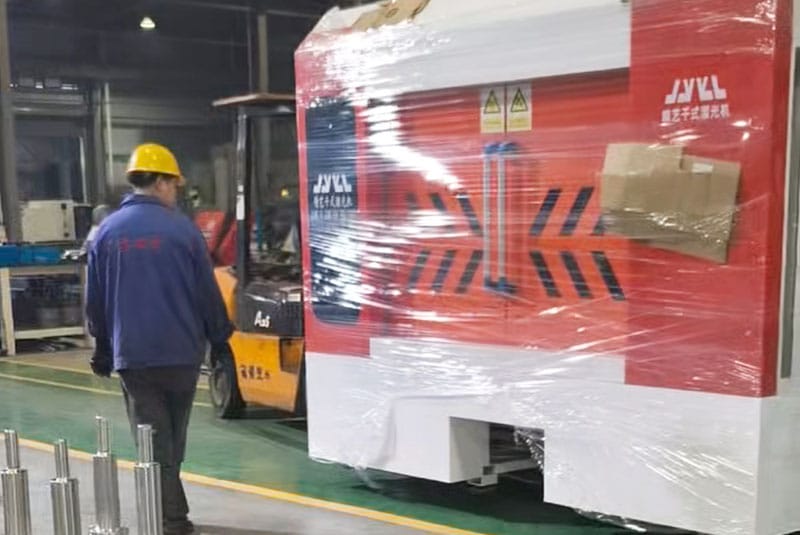
Investing in a reliable bench polishing machine brings measurable advantages:
- Reduced Manual Labor: Machines handle repetitive tasks faster than manual polishing.
- Consistent Finishes: Adjustable speeds and precision wheels allow for uniform results across multiple items.
- Long-Term Cost Savings: A high-quality machine requires fewer repairs and less downtime, saving money over time.
Choosing the right bench polishing machine is not just about polishing; it’s about improving productivity, product quality, and workflow efficiency.
Conclusion
A bench polishing machine is a crucial investment for any workshop, jewelry studio, or industrial facility. By understanding its features, proper usage, and maintenance, you can maximize efficiency, achieve professional finishes, and extend the machine’s lifespan.
As a manufacturer, we ensure our machines are designed with safety, durability, and precision in mind, helping you achieve the best results every time. Whether you are polishing jewelry, metal components, or DIY projects, the right bench polishing machine can transform your workflow and elevate your craftsmanship.
FAQ
Q1: What is a bench polishing machine used for?
A bench polishing machine is used to polish, buff, and finish metals, jewelry, and other materials efficiently, providing consistent and professional results compared to hand polishing.
Q2: How do I choose the right bench polishing machine?
Consider factors like motor power, wheel type, variable speed options, and whether the machine is for home, workshop, or industrial use to select the best fit.
Q3: Can a bench polishing machine be used for jewelry?
Yes, many bench polishing machines are ideal for jewelry polishing. Using soft polishing wheels and controlled speeds ensures delicate metals are finished safely.
Q4: How should I maintain my bench polishing machine?
Regular cleaning, lubrication, and timely replacement of worn wheels or belts help extend the machine’s lifespan and maintain optimal performance.
Q5: What safety precautions should I follow when using a bench polishing machine?
Always wear safety glasses, gloves, and protective clothing, keep hair and loose clothing away from the wheels, and never leave the machine running unattended.