Table of Contents
Introduction
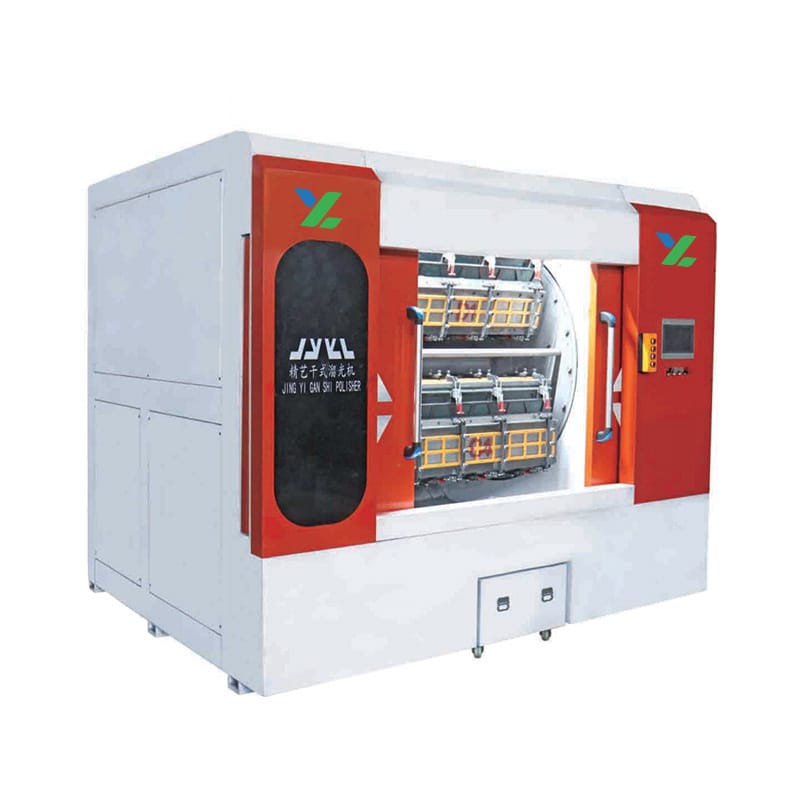
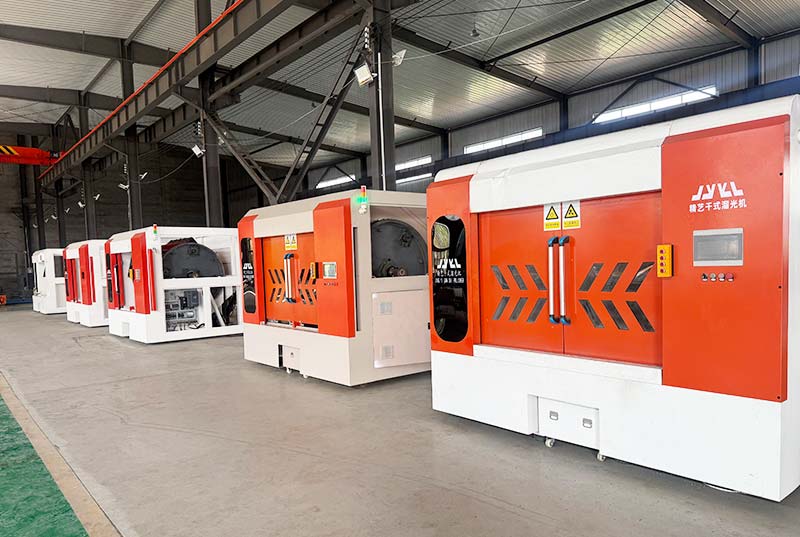
In modern manufacturing, surface finishing quality directly affects product performance, appearance, and market competitiveness. An automatic polish machine has become a key piece of equipment for industries requiring consistent metal finishing, especially in mass production environments.
Compared with manual polishing, industrial automatic polishing systems deliver higher efficiency, stable quality, and reduced labor dependency. As a manufacturer of automatic polish machines, publishing technical and application-focused content is an important way to improve search visibility, attract organic traffic, and generate qualified B2B inquiries from global buyers.
What Is an Automatic Polish Machine and How It Works
An automatic polish machine is industrial equipment designed to perform surface finishing tasks with minimal human intervention. It is widely used for polishing metal parts, stainless steel components, aluminum products, and industrial hardware.
The working principle typically involves:
- Mechanical rotation or belt-driven polishing heads
- Controlled pressure application on the workpiece surface
- Adjustable speed systems for different finishing requirements
- PLC or CNC-based automation control systems
Modern CNC automatic polishing machines integrate programmable logic controllers to ensure repeatable accuracy and consistent output quality, making them ideal for large-scale production lines.
Why Factories Are Switching to Automatic Polishing Systems
Manufacturers are increasingly replacing manual polishing processes with automated solutions for several practical reasons:
- Higher production efficiency and shorter processing cycles
- Stable and repeatable surface finishing results
- Reduced dependence on skilled manual labor
- Lower long-term operational costs
- Improved workplace safety and ergonomics
In industries where surface quality is critical, such as automotive or stainless steel production, automation is no longer optional—it is a competitive necessity.
Types of Automatic Polish Machines for Industrial Use
Different production requirements require different machine configurations. Below are the most common types used in industrial environments:
| Type of Machine | Main Application | Key Advantage |
|---|---|---|
| CNC Automatic Polish Machine | Precision metal parts | High accuracy & programmability |
| Hydraulic Polishing Machine | Heavy-duty components | Strong and stable pressure control |
| Robotic Polishing System | Complex shapes | Flexible automation and high consistency |
| Belt-Type Polishing Machine | Flat surfaces | High-speed continuous processing |
| Customized Polishing Line | Factory integration | Fully tailored production solution |
Each system is designed for specific materials and production goals, making selection an important decision for manufacturers.
Key Features to Look for in an Automatic Polish Machine
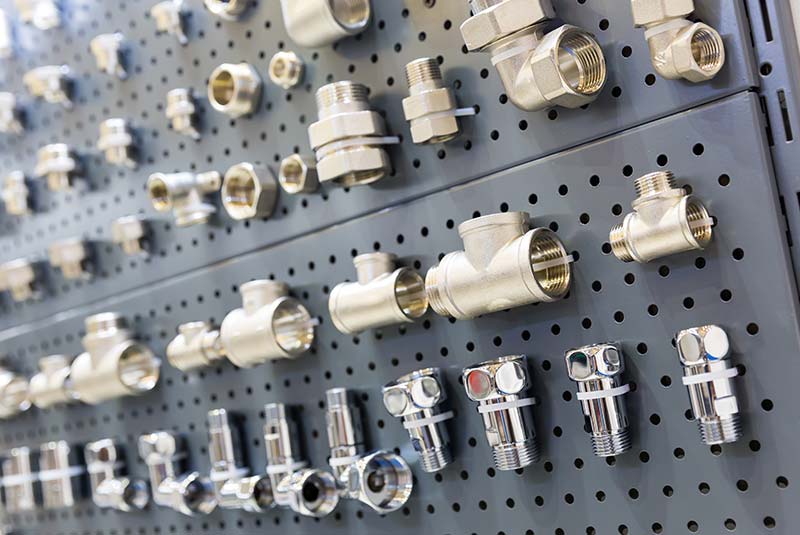
When selecting industrial polishing equipment, several technical factors should be evaluated:
- Adjustable polishing speed and pressure control systems
- Stable motor performance for continuous operation
- High-quality polishing wheels and consumables
- PLC or CNC automation system for process control
- Compatibility with stainless steel, aluminum, and carbon steel
- Low maintenance design for long-term industrial use
A well-designed automatic polishing machine should balance performance, durability, and operational efficiency.
Automatic Polish Machine Applications Across Industries
Automatic polishing systems are widely used in multiple industrial sectors:
- Stainless steel kitchenware production
- Metal pipe and tube finishing
- Automotive components manufacturing
- Hardware and tool production
- Aerospace precision parts processing
In each of these industries, surface quality is directly linked to product value and performance, making automated polishing essential for modern production lines.
Common Problems in Polishing Processes and How Automation Solves Them
Traditional polishing methods often face several limitations:
- Inconsistent surface finishing quality
- High labor cost and operator fatigue
- Low efficiency in large-scale production
- Difficulty maintaining precision standards
Automatic polishing machines solve these issues by standardizing the entire process. Once parameters are set, the system ensures consistent output across thousands of parts, significantly improving production stability.
How to Choose the Right Automatic Polish Machine for Your Factory
Selecting the right equipment requires a clear understanding of production needs. Key considerations include:
- Type of material being processed
- Required surface finish level (matte, satin, mirror finish)
- Production volume and cycle time
- Level of automation required
- Space available for installation
- Budget and long-term ROI expectations
Factories producing high-volume metal parts may require fully automated polishing lines, while smaller workshops may prefer semi-automatic systems for flexibility.
Why Choose a Professional Automatic Polish Machine Manufacturer
Working directly with an experienced manufacturer offers significant advantages:
- Direct factory pricing without middleman costs
- Custom machine design based on production needs
- OEM/ODM manufacturing capabilities
- Strict quality control during production
- Technical support and after-sales service
As a manufacturing company specializing in automatic polishing equipment, maintaining technical content like this helps build trust, improve search rankings, and attract global buyers searching for reliable industrial solutions.
Cost Factors of Automatic Polishing Machine Systems
The total investment in an automatic polish machine depends on several factors:
- Machine type and automation level
- Material quality of components
- Custom engineering requirements
- Production capacity and output speed
- Shipping, installation, and commissioning services
Higher automation usually increases initial cost but significantly reduces long-term labor and maintenance expenses, improving overall ROI.
Maintenance and Service Life of Automatic Polishing Equipment
Proper maintenance ensures stable long-term performance:
- Regular inspection of polishing wheels and belts
- Lubrication of moving mechanical components
- Cleaning of dust and metal residue
- Calibration of control systems when needed
- Timely replacement of wear parts
With proper operation, industrial polishing machines can maintain high efficiency for many years in continuous production environments.
Conclusion
The automatic polish machine has become an essential solution in modern industrial manufacturing, replacing traditional manual polishing with higher efficiency, precision, and consistency.
For factories aiming to improve production quality and reduce operational costs, choosing the right automatic polishing system is a strategic decision. Working with an experienced automatic polish machine manufacturer ensures not only equipment quality but also long-term production stability and customization flexibility.
As global manufacturing continues to evolve toward automation, polishing technology will remain a critical part of achieving competitive advantage in metal processing industries.
FAQ
Q1: What is an automatic polish machine used for?
An automatic polish machine is used for industrial surface finishing of metal parts, including stainless steel, aluminum, and hardware components, ensuring smooth and consistent surface quality.
Q2: How does an automatic polishing machine work?
It works by using rotating polishing wheels or belts with controlled pressure and speed, often managed by PLC or CNC systems, to achieve uniform surface finishing.
Q3: What materials can be processed with an automatic polish machine?
It can process stainless steel, carbon steel, aluminum, brass, and other metal materials commonly used in industrial manufacturing.
Q4: What are the advantages of using an automatic polish machine in factories?
It improves production efficiency, reduces labor costs, ensures consistent polishing quality, and supports large-scale automated manufacturing.
Q5: How do I choose the right automatic polish machine for my production line?
You should consider material type, required finish quality, production volume, automation level, and whether you need a customized solution from a manufacturer.