Table of Contents
Introduction
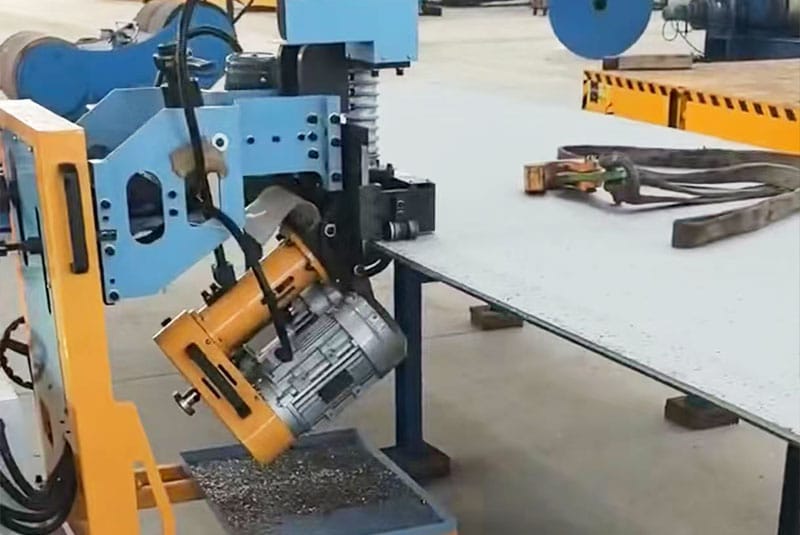
In heavy fabrication, the quality of a welded structure depends heavily on what happens before welding begins. A clean weld seam, stable penetration, and reliable inspection result often start with one simple but critical step: edge preparation.
For workshops processing thick steel plates, stainless steel plates, structural components, shipbuilding sections, storage tanks, pressure vessels, and heavy machinery frames, manual grinding or rough cutting is often not enough. The edge must be accurate, repeatable, and suitable for the required welding groove.
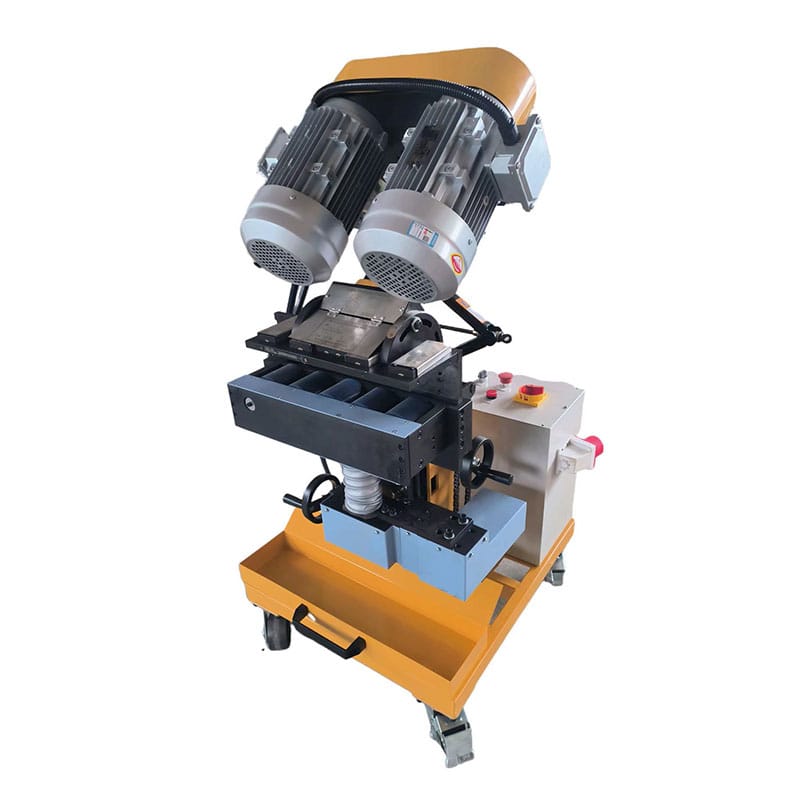
A plate edge milling machine is designed for this purpose. It uses mechanical milling to process the edge of a metal plate, helping create controlled bevels, grooves, side edges, or stepped forms before welding and assembly. Compared with hand grinding, edge milling gives workshops better control over angle consistency, edge finish, and production repeatability.
For buyers comparing different types of beveling machine solutions, understanding when to choose a plate edge milling machine can help avoid poor machine matching and unnecessary rework.
Why Plate Edge Milling Matters Before Welding
Welding problems are often blamed on welding parameters, operators, consumables, or inspection standards. These factors are important, but they are not the full story.
If the groove is inconsistent before welding, the welding team must compensate during the process. That creates unstable results.
Common problems caused by poor edge preparation include:
| Edge Preparation Problem | Production Impact |
|---|---|
| Uneven bevel angle | Unstable weld penetration |
| Rough edge surface | Extra grinding before welding |
| Inconsistent groove width | Irregular filler metal use |
| Poor edge straightness | Longer fit-up and alignment time |
| Heat-affected edge | Possible deformation or extra cleaning |
| Manual variation | Different results between operators |
A plate edge milling machine helps turn edge preparation into a controlled machining process. Instead of relying mainly on operator hand skill, the machine creates a more predictable edge geometry.
For general technical background, readers can refer to the concept of machining, which explains material removal processes used to create controlled shapes and surfaces.
What Is a Plate Edge Milling Machine?
A plate edge milling machine is industrial equipment used to mill the edge of a metal plate. It removes material from the side, end, or bevel area of the plate to prepare it for welding, assembly, or further processing.
In fabrication workshops, it is commonly used for:
Plate edge trimming
Bevel milling before welding
Double-sided groove preparation
Side and end face milling
Step groove processing
Upper and lower bevel preparation
Thick plate weld groove preparation
Compared with simple grinding tools, an edge milling process offers stronger control over the final edge form. This is especially useful when the same groove form must be repeated across many plates or projects.
For example, Yuanli’s YL-FZ900 beveling machine is designed for applications such as double-sided grooves, side and end grooves, upper and lower bevels, and stepped groove processing. This makes it relevant for workshops that need more than basic edge chamfering.
Plate Edge Milling Machine vs Plate Beveling Machine
Many buyers use the terms edge milling machine and plate beveling machine together, but they are not always the same in practical use.
A plate beveling machine usually focuses on creating angled edges for welding preparation. A plate edge milling machine may also create bevels, but it often provides broader edge machining capability, such as side milling, end face milling, stepped grooves, or more complex edge forms.
| Comparison Item | Plate Edge Milling Machine | Plate Beveling Machine |
| Main purpose | Edge milling, groove forming, bevel preparation | Bevel angle preparation |
| Typical strength | Controlled machining of plate edges | Efficient weld bevel creation |
| Edge forms | Side, end, stepped, upper/lower, double-sided | V, K, X, Y and common welding bevels |
| Best use | Complex edge requirements and heavy plates | Standard weld preparation |
| Buyer focus | Accuracy, rigidity, milling capacity | Angle range, speed, portability, efficiency |
The right choice depends on the actual workpiece. If your workshop mainly needs simple beveling for welding, a standard plate beveling machine may be enough. If your projects require side milling, end milling, step grooves, or complex groove forms, a plate edge milling machine becomes more valuable.
When Edge Milling Is Better Than Manual Grinding
Manual grinding is still useful in many workshops. It works well for small corrections, repair work, deburring, and finishing tasks. However, it becomes less suitable when the workshop needs repeatable groove quality over long plate edges or thick materials.
A plate edge milling machine is usually the better choice when:
Plate thickness is high.
Bevel length is long.
Groove accuracy matters.
The same bevel form must be repeated.
Manual labor is slowing production.
Welding inspection requirements are strict.
The workshop needs cleaner edge geometry.
Grinding depends heavily on operator experience. Even skilled workers may produce different bevel angles after long hours of work. Milling creates a more controlled process, reducing variation and improving repeatability.
This is especially important for weld joints. A more stable groove helps the welding team control penetration, filler metal use, and fit-up. For a basic understanding of groove and joint forms, this welding joint reference provides useful background.
Industries That Benefit From Plate Edge Milling Machines
A plate edge milling machine is most useful in industries where welded structures must be strong, consistent, and inspection-ready.
Steel Structure Fabrication
Steel structures often involve large plates, beams, columns, and welded frames. Accurate groove preparation supports better fit-up and reduces correction before welding.
Shipbuilding and Marine Engineering
Shipyards process large panels, hull sections, and long weld seams. Edge milling helps create consistent weld preparation on heavy plate sections and improves production control.
Pressure Vessel Manufacturing
Pressure vessel fabrication requires careful joint preparation because weld quality affects reliability and inspection confidence. Controlled milling helps prepare repeatable groove geometry before welding.
Storage Tank Fabrication
Tank production often involves long seams and large curved or flat plate sections. Consistent edge milling helps improve assembly accuracy and welding preparation.
Heavy Machinery Manufacturing
Machinery frames, equipment bases, and load-bearing welded parts often require thick plate processing. Milling the plate edge before welding helps reduce manual correction and improves workflow stability.
Stainless Steel Fabrication
Stainless steel projects often require cleaner edge quality and careful surface control. A mechanical milling process can reduce rough manual grinding and support more consistent weld preparation.
How Plate Edge Milling Improves Weld Groove Accuracy
Weld groove accuracy is not only about the bevel angle. It includes the whole edge condition.
A good weld groove should have:
Correct angle
Consistent width
Stable root face
Clean surface
Straight edge line
Repeatable geometry
Minimal unnecessary deformation
A plate edge milling machine improves groove accuracy by removing material in a controlled way. The cutting process can be set according to the required angle, material, and groove form. This helps reduce the randomness that often occurs with hand tools.
In inspection-sensitive applications, better edge preparation can also make downstream quality control easier. Many industrial welds are checked through visual inspection or nondestructive testing, so preparing a cleaner and more consistent groove before welding can reduce avoidable inspection problems later.
Key Factors to Check Before Choosing a Plate Edge Milling Machine
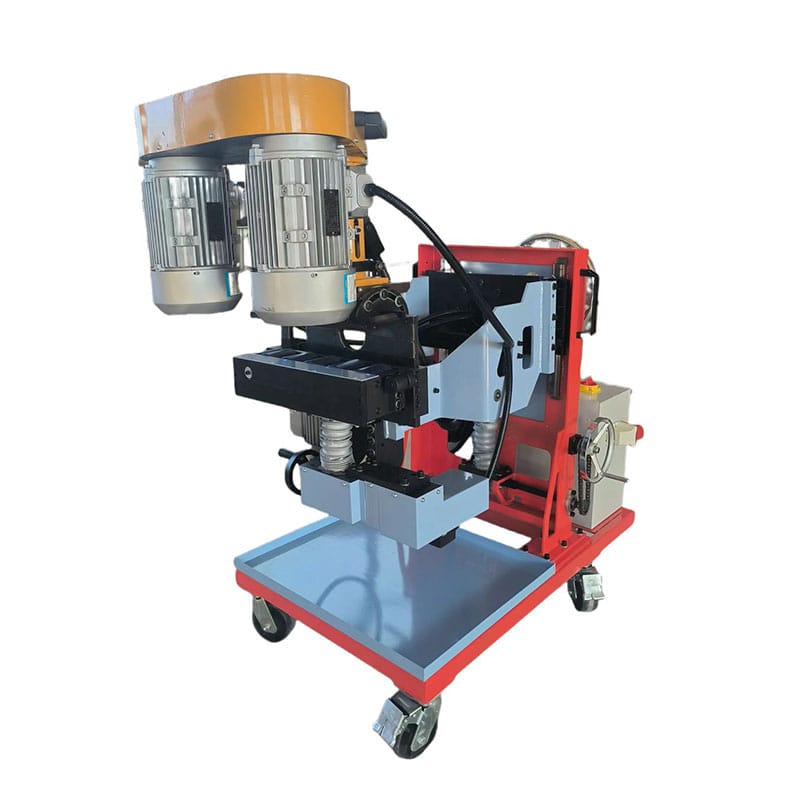
A good machine recommendation starts with the workpiece, not the product name.
Before buying a plate edge milling machine, prepare these details:
| Selection Factor | What to Confirm |
| Material type | Carbon steel, stainless steel, alloy steel, aluminum, or other metals |
| Plate thickness | Minimum and maximum thickness used in production |
| Plate size | Length, width, and whether plates are large, narrow, or irregular |
| Groove type | V, K, X, Y, J, U, side groove, end groove, or step groove |
| Bevel angle | Required angle range for welding preparation |
| Bevel width | Required groove size and milling depth |
| Production volume | Occasional use, batch production, or continuous operation |
| Work location | Fixed workshop, fabrication line, or on-site operation |
| Power supply | Voltage and frequency available in the workshop |
| Surface requirement | Whether the edge must support inspection or finishing requirements |
When buyers provide only a general request such as “I need an edge milling machine,” suppliers may not have enough information to recommend correctly. A clear drawing, material specification, and groove requirement can save time and avoid machine mismatch.
Important Machine Features for Heavy Plate Processing
Heavy plate processing places more demand on machine structure and stability. Buyers should not compare machines only by motor power or basic catalog specifications.
Important features include:
Stable machine frame
Strong cutting system
Adjustable bevel angle
Reliable feeding or moving structure
Smooth milling performance
Easy angle adjustment
Tool replacement convenience
Compatibility with different plate sizes
Good chip removal design
Operator-friendly controls
Maintenance accessibility
For workshops that process large plates or require double-sided groove preparation, a machine such as the YL-FZ900 beveling machine may be considered because it is designed for multiple groove forms and plate edge processing needs.
For buyers still comparing product types, Yuanli’s full industrial equipment products page provides a broader overview of beveling and polishing equipment categories.
A Practical Workflow for Better Edge Milling Results
Buying the right machine is only one part of the solution. The workshop also needs a repeatable operating workflow.
A practical plate edge milling workflow may include:
Review the drawing and welding groove requirement.
Confirm material type and plate thickness.
Check whether the plate edge is clean and properly positioned.
Select the correct cutting setup.
Adjust the milling angle and cutting depth.
Run a short test pass when changing materials or groove forms.
Inspect the first finished edge.
Record confirmed settings for repeat jobs.
Clean chips and inspect tools after use.
This approach helps the workshop move from experience-based operation to process-based control. When operators can repeat confirmed settings, the production result becomes more stable.
Common Mistakes When Buying a Plate Edge Milling Machine
Many purchasing problems come from incomplete communication or choosing a machine based only on one specification.
Focusing Only on Plate Thickness
Plate thickness is important, but it is not enough. Groove form, bevel width, material type, plate size, and production volume all affect machine selection.
Ignoring Groove Complexity
Some buyers need more than a simple bevel. Side grooves, end grooves, step grooves, upper bevels, and lower bevels may require a more capable milling structure.
Underestimating Workpiece Size
A machine may process the required thickness but still be unsuitable for very small, narrow, long, or irregular plates. Always confirm the workpiece size range.
Forgetting Tool Consumption
Cutting tools and milling components are part of long-term operation. Buyers should ask about spare parts, tool replacement, and maintenance requirements before ordering.
Not Considering Operator Training
A plate edge milling machine can improve consistency, but operators still need to understand setup, angle adjustment, feeding control, tool inspection, and safety procedures.
Safety Considerations for Edge Milling Operations
A plate edge milling machine is powerful industrial equipment. It may involve moving workpieces, rotating tools, sharp chips, electrical systems, and heavy plates.
Workshops should pay attention to:
Machine guarding
Emergency stop access
Stable plate support
Chip control
Tool inspection
Safe hand position
Electrical safety
Clear operating procedures
Operator training
The OSHA machine guarding requirement provides useful safety context for machine operation, especially around moving parts, point-of-operation hazards, and flying chips.
Safety should not be treated as separate from productivity. A stable, well-guarded, and properly operated machine supports both efficiency and operator confidence.
Maintenance Tips to Keep Milling Quality Stable
A plate edge milling machine works under cutting load, vibration, chips, and repeated adjustment. Without maintenance, even a good machine can produce inconsistent results.
Recommended maintenance habits include:
Clean chips after each shift.
Inspect cutting tools before operation.
Replace worn or damaged tools promptly.
Check fasteners and adjustment parts.
Keep moving parts lubricated according to supplier guidance.
Avoid forcing the machine beyond rated capacity.
Listen for abnormal vibration or noise.
Check cable and electrical connections regularly.
Keep records of tool changes and common settings.
Store the machine in a clean and dry environment.
Maintenance protects more than machine life. It protects edge quality, groove consistency, and production reliability.
How to Prepare a Better Inquiry for Faster Supplier Matching
A strong inquiry helps the supplier understand your real application and recommend the right machine faster.
When contacting Yuanli, include:
Material type
Plate thickness range
Plate length and width
Required groove type
Bevel angle
Bevel width
Daily or monthly workload
Workplace conditions
Power supply
Photos or drawings of typical plates
Special inspection or welding requirements
This information allows the supplier to evaluate whether a standard model is suitable or whether a different configuration should be discussed. You can submit project details through Yuanli’s contact page for a technical recommendation.
When a Plate Edge Milling Machine May Not Be Necessary
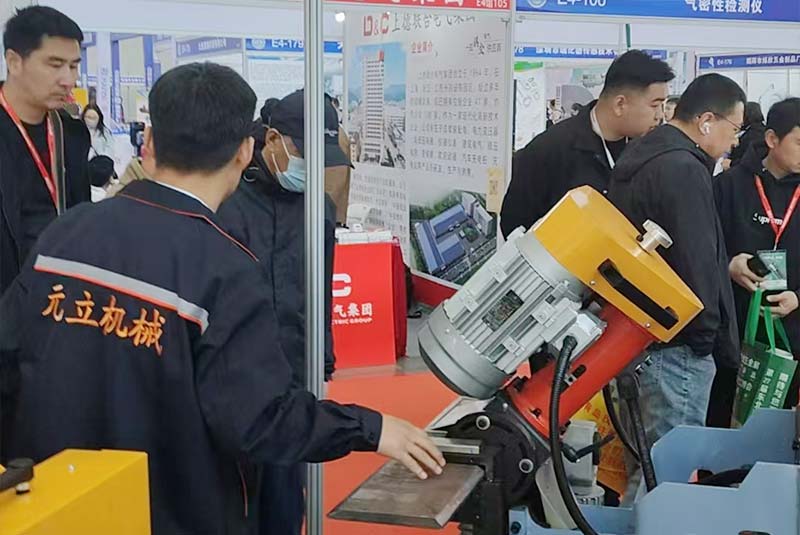
A plate edge milling machine is valuable, but it is not required for every workshop.
It may not be necessary when:
The workshop only handles occasional small repairs.
The plate edge requirement is very simple.
Manual grinding is enough for the application.
The production volume is very low.
The workpieces are too irregular for machine processing.
The main need is surface finishing rather than groove preparation.
In these cases, handheld tools or simpler beveling equipment may be enough. However, when edge accuracy, welding consistency, production volume, and inspection stability become important, plate edge milling becomes a much stronger option.
For workshops that also need surface finishing after fabrication, Yuanli’s polishing machine category may be useful for downstream processing.
Conclusion
A plate edge milling machine helps heavy fabrication workshops control one of the most important stages before welding: edge preparation. By creating more accurate, repeatable, and cleaner plate edges, it supports better weld groove quality, easier fit-up, and more stable production.
Compared with manual grinding, edge milling provides stronger control over bevel angle, groove width, side edges, end faces, and stepped forms. This makes it especially useful for steel structures, shipbuilding, pressure vessels, storage tanks, stainless steel fabrication, and heavy machinery manufacturing.
The right machine should be selected according to material, plate thickness, groove type, bevel angle, bevel width, production volume, and working conditions. Buyers who provide detailed workpiece information can receive more accurate recommendations and avoid costly machine mismatch.
To compare suitable equipment, visit Yuanli’s beveling machine category or send your drawings and plate requirements through the contact page.
FAQ
What is a plate edge milling machine used for?
A plate edge milling machine is used to mill metal plate edges for welding preparation, groove forming, side milling, end milling, and stepped edge processing.
Is a plate edge milling machine the same as a beveling machine?
Not always. A beveling machine mainly creates angled edges, while a plate edge milling machine may handle broader edge machining tasks such as side grooves, end grooves, and step grooves.
What materials can a plate edge milling machine process?
Depending on the machine and tools, it can process carbon steel, stainless steel, alloy steel, and other metal plates commonly used in industrial fabrication.
Why is edge milling important before welding?
Edge milling helps create a consistent groove shape, improving fit-up, weld preparation quality, and repeatability across long or thick plate sections.
Can edge milling reduce manual grinding?
Yes. A suitable plate edge milling machine can reduce heavy manual grinding by producing more controlled and consistent edge geometry before welding.
What information should I provide before buying a machine?
Provide material type, plate thickness, plate size, bevel angle, bevel width, groove type, workload, power supply, and drawings or photos of typical workpieces.
Is a plate edge milling machine suitable for thick plates?
Yes, many industrial edge milling and beveling machines are designed for thick plate processing. The exact capacity depends on the machine model and application.
Where can I get a recommendation for my workshop?
You can send your workpiece drawings, plate thickness, groove requirements, and production conditions through Yuanli’s contact page for a suitable machine recommendation.