In today’s competitive metal fabrication industry, efficiency and precision are more critical than ever. The automatic plate beveling machine has emerged as a game-changing technology that revolutionizes how manufacturers prepare metal edges for welding. With advanced CNC systems and robust construction, these machines deliver consistent bevel quality while dramatically reducing production time. For businesses looking to stay ahead in the market, investing in automated plate beveling technology is no longer optional—it’s essential for maintaining competitiveness.
Table of Contents
What Is an Automatic Plate Beveling Machine?
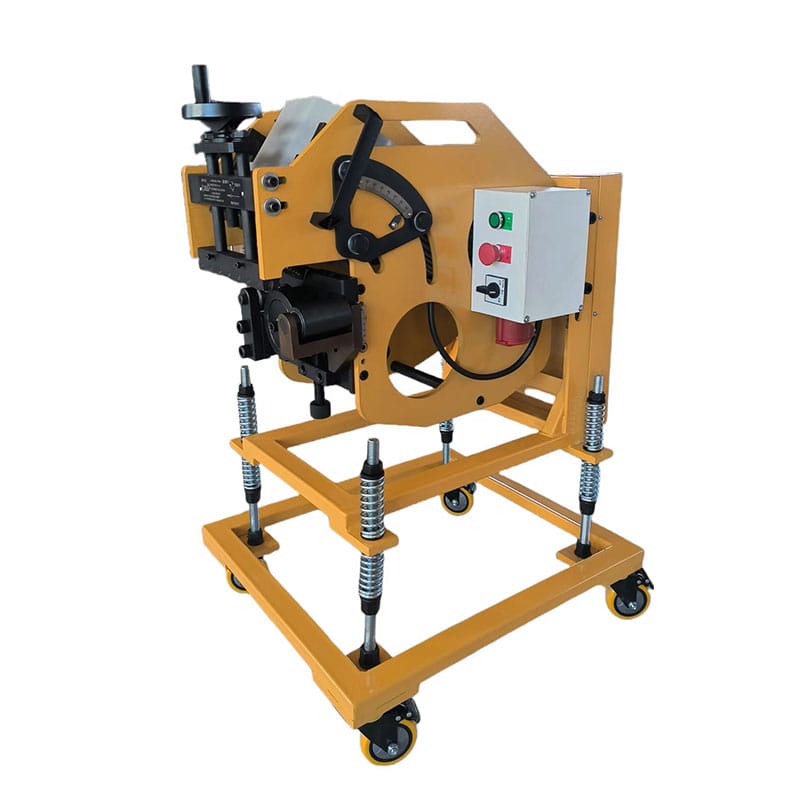
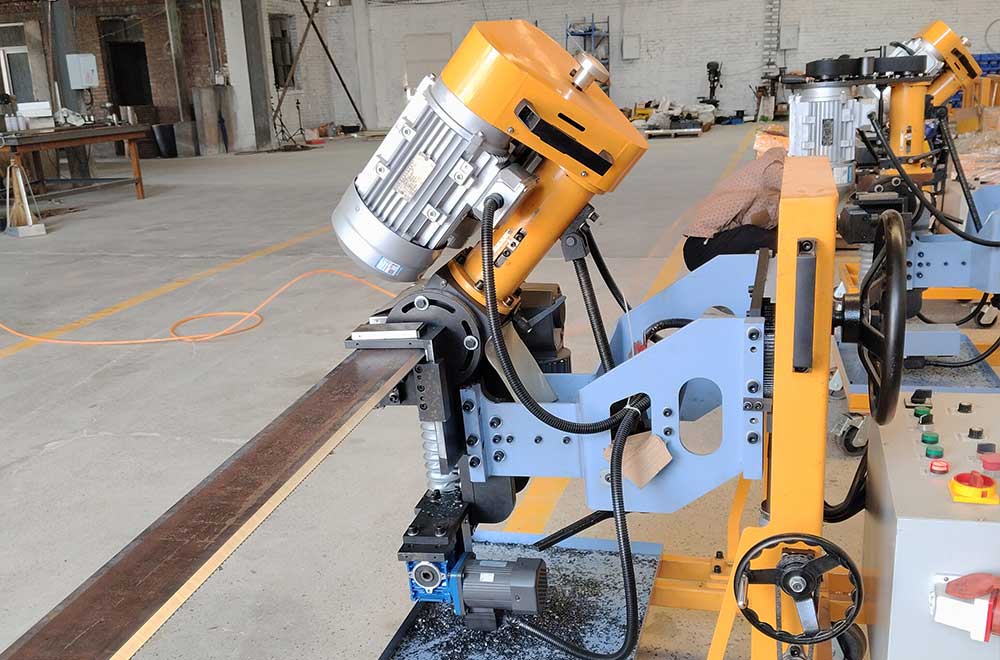
An automatic plate beveling machine is specialized industrial equipment designed to create precise angled edges on metal plates in preparation for welding applications. Unlike manual beveling methods that require extensive labor and experience, these machines utilize automated feeding systems, high-speed cutters, and advanced control systems to produce uniform bevels consistently. The machine can process various plate thicknesses, typically ranging from 6mm to 100mm, and supports multiple bevel types including V, Y, K, X, U, and J configurations. Modern automatic plate beveling machines come in different power configurations, including hydraulic beveling machine models for heavy-duty applications and electric beveling machine versions for standard operations.
Working Principle of an Automatic Plate Beveling Machine
The operation begins when the steel plate is positioned on the machine’s worktable. A clamping system secures the plate firmly in place to prevent movement during processing. The machine’s control system, often CNC-based, programs the desired bevel angle, depth, and cutting speed. As the cutter head moves along the plate edge, it removes material to create the specified bevel geometry. Advanced machines feature multi-axis control systems that enable complex bevel profiles with precision up to ±0.5°. The edge milling machine design ensures minimal heat input and optimal surface finish, typically achieving Ra 3.2-6.3 μm. Some models incorporate automated feeding systems that allow continuous plate processing, making them ideal for high-volume steel plate processing operations.
Key Benefits of Using an Automatic Plate Beveling Machine
Implementing an automatic plate beveling machine in your production line delivers substantial advantages across multiple operational dimensions. The most immediate benefit is the dramatic increase in processing speed—automated systems can complete bevels in approximately 5 minutes per edge compared to 10-15 minutes for manual methods. This translates to 2-3 times higher productivity and significant labor cost reduction.
Precision represents another critical advantage. With CNC beveling technology, every bevel maintains identical geometry regardless of operator experience or fatigue. The consistency achieved ensures uniform weld penetration and reduced rework rates. Manufacturers report quality improvement rates of 30-40% after transitioning to automated systems.
Material waste reduction is equally important. Manual beveling often results in overcutting or inconsistent angles that require additional grinding. Automated systems maintain precise control over material removal, optimizing steel utilization and reducing scrap rates by up to 25%.
The safety improvements cannot be overlooked. Automatic plate beveling machines minimize operator exposure to cutting tools, metal dust, and repetitive strain injuries. The enclosed cutting chambers and automated material handling create a significantly safer working environment compared to manual grinding or torch cutting methods.
Finally, these machines support 24/7 continuous operation with minimal supervision. The automated loading and unloading capabilities, combined with robust construction, enable manufacturers to maximize equipment utilization and meet tight production deadlines.
Applications of Automatic Plate Beveling Machines in Metal Industries
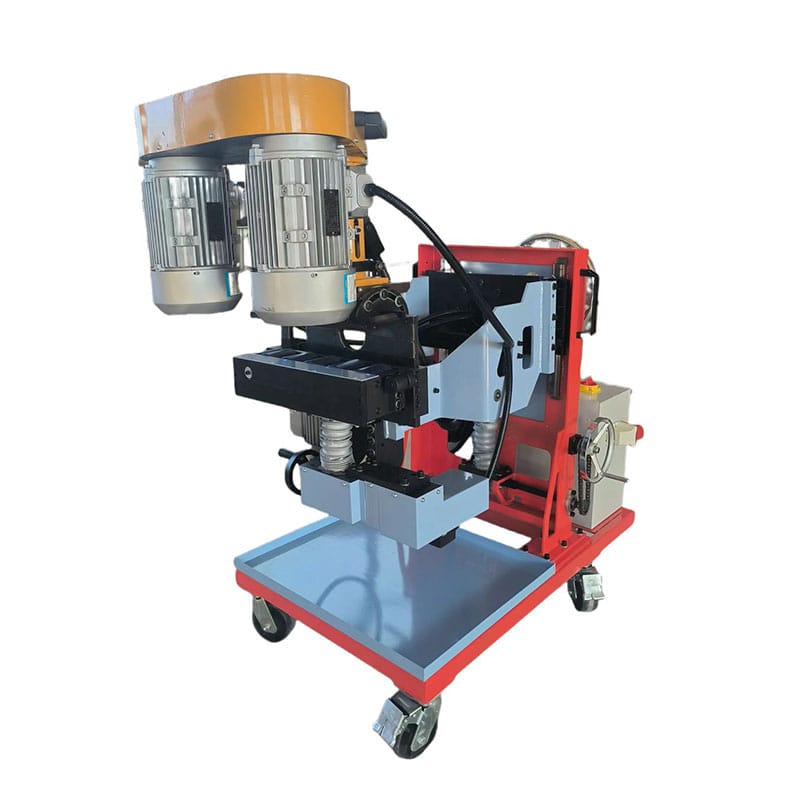
Automatic plate beveling machines find extensive applications across diverse metal fabrication sectors. In shipbuilding and marine engineering, these machines prepare massive steel plates for hull construction, where precision beveling is crucial for weld integrity in harsh marine environments. The ability to process thick plates up to 100mm makes them indispensable for large-scale vessel fabrication.
Pressure vessel manufacturers rely heavily on automated beveling to ensure proper joint preparation for high-pressure applications. The consistency provided by CNC systems is essential for meeting stringent industry standards and safety requirements. Similarly, steel structure fabrication for buildings and bridges requires precise beveling to guarantee structural weld quality, especially for load-bearing connections.
In the pipeline industry, automatic beveling machines prepare pipe ends and flange faces with exceptional accuracy. The edge milling machine capabilities ensure proper fit-up for circumferential welds in critical infrastructure projects. Heavy machinery manufacturers also utilize these equipment for preparing thick steel components used in construction equipment, mining machinery, and industrial presses.
Why Automatic Plate Beveling Machines Improve Welding Quality
The relationship between bevel quality and weld integrity is fundamental in metal fabrication. Automatic plate beveling machines enhance welding quality through several mechanisms. First, the precise angle control ensures consistent weld penetration across the entire joint length. This uniformity eliminates weak spots that could lead to weld failures under stress.
Surface finish quality directly impacts weld performance. Automated systems produce smooth, burr-free surfaces with minimal oxidation, allowing proper fusion between base metals and filler materials. The edge milling machine design removes less material than aggressive manual grinding, preserving the plate’s structural integrity while creating optimal weld preparation.
Another critical factor is repeatability. In production environments requiring hundreds or thousands of welds, consistent bevel geometry ensures uniform welding procedures throughout the project. This standardization reduces operator error and allows for more predictable welding parameter settings. The result is higher-quality welds with fewer defects, reduced inspection time, and lower rework costs.
Automatic Plate Beveling Machine vs Manual Beveling Methods
The comparison between automatic and manual beveling methods reveals significant differences in performance, cost-effectiveness, and quality outcomes. Understanding these differences helps manufacturers make informed decisions about their equipment investments.
Manual beveling using portable grinders or torch cutting has been the traditional approach for decades. However, this method depends heavily on operator skill and experience. The achieved accuracy typically ranges from ±2-3°, and quality varies significantly between operators and even within the same operator’s work due to fatigue. Manual methods also generate substantial dust and noise, creating challenging working conditions.
In contrast, automatic plate beveling machines deliver superior performance across all metrics. The CNC beveling systems achieve precision of ±0.5° or better, ensuring consistent quality regardless of who operates the machine. The enclosed cutting design minimizes environmental impact and improves workplace safety. While the initial investment is higher, the total cost of ownership becomes favorable over time due to reduced labor requirements, lower material waste, and decreased rework expenses.
Key comparison metrics:
| Feature | Manual Beveling | Automatic Beveling Machine |
|---|---|---|
| Precision | ±2-3° | ±0.5° or better |
| Time per bevel | 10-15 minutes | 5 minutes |
| Surface finish | Irregular, requires finishing | Ra 3.2-6.3 μm, ready for welding |
| Operator dependence | High | Minimal |
| Labor cost | High | Low (one operator can manage multiple machines) |
| Material waste | 15-20% | 3-5% |
| Safety concerns | High (dust, noise, tool contact) | Low (enclosed operation, automated handling) |
| Consistency | Variable | Uniform |
| Setup time | 1-2 minutes | 5-10 minutes (programmable for repeat jobs) |
The choice between manual and automatic methods ultimately depends on production volume, quality requirements, and long-term business objectives. For high-volume applications with strict quality standards, automatic beveling machines clearly offer superior value.
How to Choose the Right Automatic Plate Beveling Machine
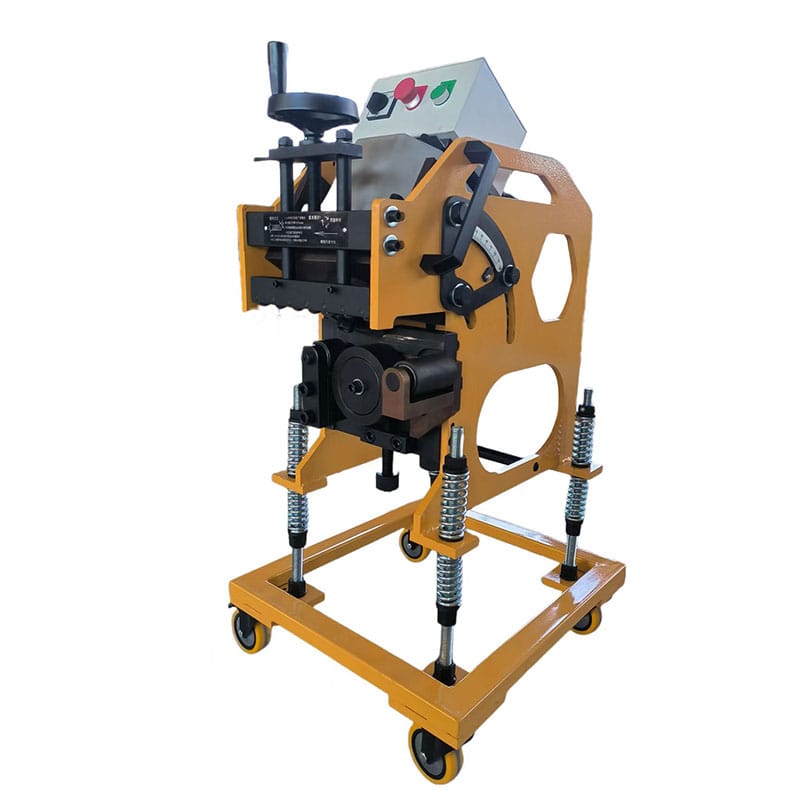
Selecting the appropriate automatic plate beveling machine requires careful evaluation of several factors specific to your production requirements. Plate processing capacity represents the primary consideration. Determine your typical plate thickness range and ensure the machine can handle both minimum and maximum dimensions. Machines typically support 6-100mm thickness ranges, but some specialized models extend beyond these limits for heavy industry applications.
Bevel type compatibility is equally important. Consider the various joint configurations your welding procedures require. Standard V-bevels are common, but more complex geometries like X-bevels, J-bevels, and compound angles may be necessary for specific applications. Ensure the machine’s CNC system supports the bevel profiles you need.
Power configuration should match your facility’s infrastructure and workload intensity. Hydraulic beveling machines deliver higher cutting force and are ideal for thick plates and high-volume production. Electric beveling machines offer cleaner operation and lower maintenance requirements, making them suitable for general fabrication applications.
Automation level is another critical factor. Basic models require manual loading and unloading, while advanced systems feature automated material handling, programmable job sequences, and integration possibilities with production management software. Consider your labor availability and desired throughput when evaluating automation features.
Reliability and service support should not be overlooked. Look for manufacturers with established track records, available spare parts inventory, and responsive technical support. The machine’s construction quality, component durability, and warranty terms significantly impact long-term operational costs and uptime.
Finally, consider total cost of ownership rather than just purchase price. Factor in energy consumption, maintenance requirements, tool replacement costs, and expected lifespan. Sometimes, investing more initially in a higher-quality machine yields better returns over time through lower operating costs and reduced downtime.
Maintenance Tips for Long-Term Machine Performance
Proper maintenance is essential for maximizing the lifespan and performance of your automatic plate beveling machine. Establish a regular inspection schedule that covers all critical components. Daily checks should include inspecting cutting tools for wear, verifying hydraulic or oil levels, and checking safety guards and emergency stops functionality.
Weekly maintenance should focus on cleaning accumulated metal chips and dust from the cutting area and work surfaces. This prevents abrasive particles from affecting moving components and reduces fire hazards. Lubricate all designated lubrication points according to the manufacturer’s specifications. Pay special attention to slide ways, ball screws, and other precision motion components.
Monthly inspections should include checking belt tension, examining electrical connections for signs of heat or wear, and verifying alignment accuracy. Perform calibration checks on CNC systems to ensure bevel angles and dimensions remain within specified tolerances. Keep detailed maintenance records to track component performance and predict replacement needs.
Cutting tool maintenance requires particular attention. Follow the manufacturer’s recommended tool replacement intervals and never wait until tools fail completely. Premature tool replacement costs are significantly lower than potential damage to workpieces or machine components caused by worn tools. Keep spare tools readily available to minimize production interruptions.
Operator training contributes significantly to machine longevity. Ensure all operators understand proper machine operation, safety procedures, and basic maintenance requirements. Encourage operators to report unusual sounds, vibrations, or performance issues immediately rather than continuing operation.
Finally, maintain a clean and controlled operating environment. Excessive dust, humidity, or temperature fluctuations can affect machine performance and component life. Provide adequate ventilation and temperature control where possible, especially in harsh industrial environments.
Why Choose Us as an Automatic Plate Beveling Machine Manufacturer
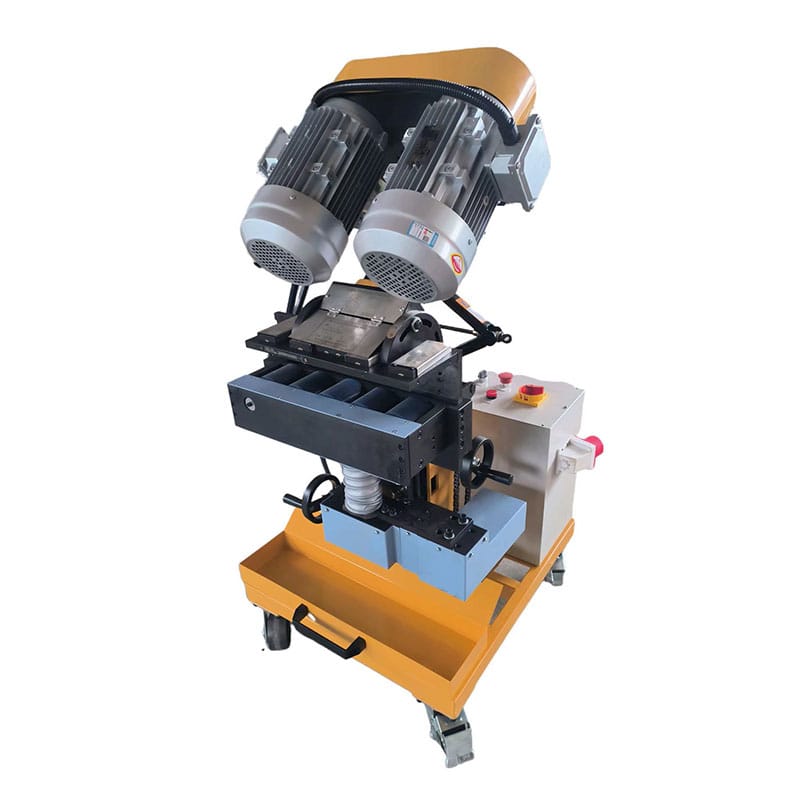
As a leading manufacturer of automatic plate beveling machines with over 15 years of industry experience, we understand the unique challenges faced by metal fabrication businesses. Our commitment to quality, innovation, and customer success sets us apart in the competitive machinery market.
Our comprehensive product line includes both hydraulic beveling machine models for heavy-duty applications and efficient electric beveling machine systems for general fabrication needs. Each machine undergoes rigorous quality control testing before delivery, ensuring it meets our stringent performance standards. Our CNC beveling systems feature advanced control interfaces that are intuitive to operate yet powerful enough to handle complex beveling requirements.
We offer flexible OEM and ODM solutions tailored to specific customer requirements. Whether you need standard equipment or customized configurations for unique applications, our engineering team can develop solutions that match your exact specifications. Our manufacturing facilities utilize state-of-the-art machining equipment and quality assurance systems to maintain consistency across all products.
Beyond equipment delivery, we provide comprehensive technical support including installation assistance, operator training, and ongoing maintenance services. Our global service network ensures prompt response to customer needs, minimizing downtime and maximizing productivity. We also maintain extensive spare parts inventory to support our installed base of machines.
Our customer-centric approach means we work closely with clients to understand their production challenges and objectives. This collaboration enables us to recommend the most suitable equipment configurations and develop long-term partnerships focused on mutual success. Many of our customers have been with us for over a decade, a testament to our commitment to quality and customer satisfaction.
Continuous investment in research and development keeps our technology at the forefront of industry innovation. We actively incorporate customer feedback into our product development process, ensuring our machines address real-world needs and emerging market trends. When you choose us as your automatic plate beveling machine partner, you gain access to cutting-edge technology backed by decades of industry expertise.
Conclusion
The automatic plate beveling machine represents a critical investment for metal fabrication businesses seeking to improve efficiency, quality, and competitiveness in today’s demanding market. From precision edge milling machine capabilities to advanced CNC beveling systems, these technologies deliver measurable improvements in weld preparation quality and production throughput. The benefits extend beyond immediate productivity gains to include long-term cost savings, enhanced workplace safety, and superior product quality.
For manufacturers considering equipment upgrades, the transition from manual to automatic beveling methods offers substantial returns on investment through reduced labor costs, lower material waste, and decreased rework expenses. The consistency and precision provided by automated systems enable fabricators to meet increasingly stringent quality standards while reducing production lead times.
Choosing the right equipment partner is as important as selecting the machine itself. With extensive industry experience, comprehensive product offerings, and dedicated customer support, we stand ready to help you implement the optimal plate beveling solution for your specific requirements. Contact us today to discuss how our automatic plate beveling machines can transform your metal fabrication operations and position your business for continued success in the competitive manufacturing landscape.
FAQ
Q1: What is an automatic plate beveling machine?
A: An automatic plate beveling machine is specialized equipment that creates angled edges on metal plates for weld preparation. It uses automated cutting heads to produce precise bevels at angles ranging from 0° to 90°, improving weld quality and production efficiency.
Q2: How does an automatic plate beveling machine improve welding quality?
A: By delivering consistent bevel angles with tight tolerances (±0.5°), automatic machines ensure proper weld penetration and joint strength. This reduces defects like lack of fusion and porosity while minimizing rework.
Q3: What materials can automatic plate beveling machines process?
A: These machines handle various metals including carbon steel, stainless steel, alloy steel, and aluminum. They process plate thicknesses from 6mm to 100mm, suitable for most industrial fabrication needs.
Q4: What are the main advantages over manual beveling?
A: Automatic beveling offers 5-10x faster processing speed, consistent quality regardless of operator skill, reduced labor costs, and safer operation. It also minimizes material waste and eliminates the heat-affected zone common with flame cutting.
Q5: How do I choose the right automatic plate beveling machine?
A: Consider your plate thickness range, required bevel angles (V, Y, K, or J-type), production volume, and material types. For heavy-duty applications, choose CNC-controlled systems with higher power motors; for flexibility, select machines with adjustable angle settings.