Table of Contents
Understanding Plate Beveling Machines
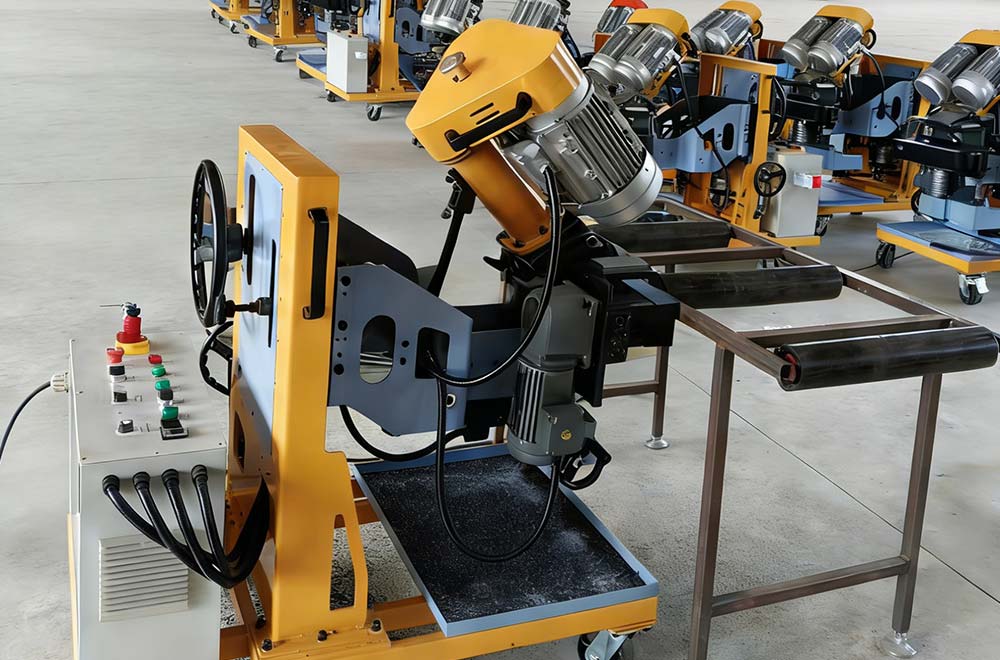
What is a Plate Beveling Machine?
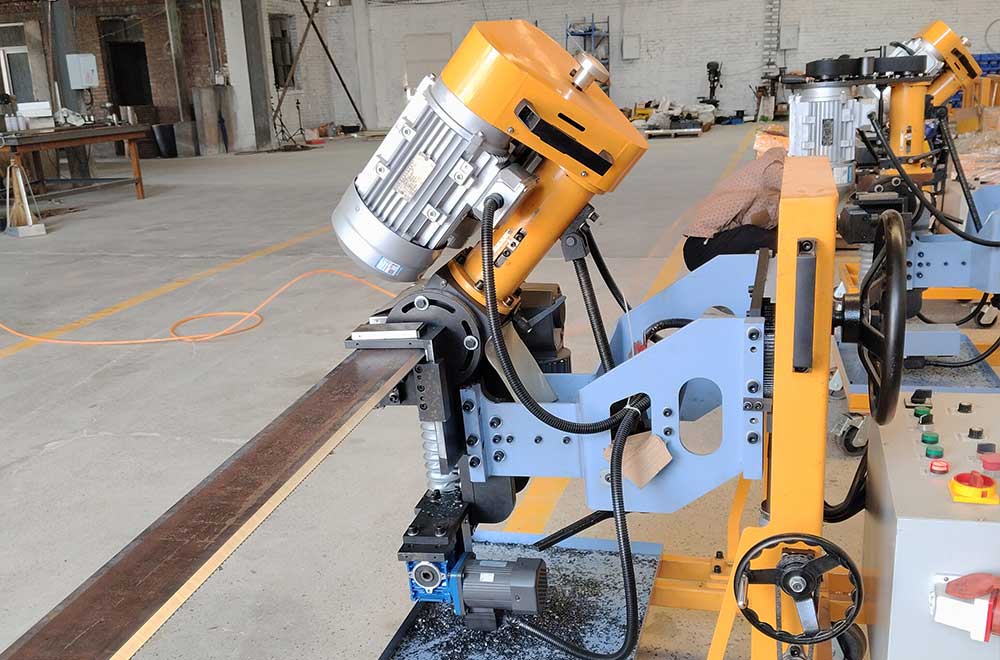
A plate beveling machine is a specialized industrial equipment designed to create precise angled edges on metal plates before welding. This essential tool removes material from plate edges to form beveled surfaces that facilitate proper weld penetration and joint strength. Unlike manual grinding or thermal cutting methods, modern plate beveling machines utilize mechanical cutting heads to produce clean, consistent bevels without heat-affected zones (HAZ), ensuring the material properties remain intact.
The primary function of a plate beveling machine is to prepare metal plates for welding by creating grooves or chamfers that allow welding filler metal to penetrate deeply into the joint. This preparation is crucial for achieving strong, durable welds that meet industry standards and engineering specifications. Beveling machines serve as a critical link between plate processing and welding operations in fabrication workflows across various industries including shipbuilding, pressure vessel manufacturing, structural steel fabrication, and construction.
Types of Plate Beveling Machines
Plate beveling machines come in several configurations, each designed for specific applications and production requirements:
Manual Plate Beveling Machines: These operator-driven machines rely on manual feeding and positioning. While they offer flexibility for small-scale operations and complex geometries, their efficiency depends heavily on operator skill. Manual bevelers are suitable for job shops with varying production needs and limited budgets, where versatility takes precedence over high-volume output.
Automatic Plate Beveling Machines: Fully automated systems that eliminate manual intervention during the beveling process. These machines feature programmable controls, automatic feeding systems, and consistent bevel quality across multiple passes. Automatic bevelers excel in high-volume production environments where repeatability and speed are paramount.
Hydraulic Plate Beveling Machines: Utilizing hydraulic power for heavy-duty applications, these machines provide superior cutting force and stability for thick plate processing. Hydraulic bevelers are ideal for industrial applications involving thick materials ranging from 50mm to 120mm thickness, where consistent pressure and cutting performance are essential.
High-Speed Plate Beveling Machines: Engineered for maximum throughput, high-speed models can process plates at rates exceeding 3 meters per minute depending on material thickness and bevel angle. These machines incorporate advanced milling technology and optimized cutting heads to achieve rapid material removal while maintaining precision and surface quality.
Core Components and Functionality
Modern plate beveling machines comprise several essential components that work in harmony to deliver precise, efficient edge preparation:
Cutting Head Assembly: The heart of the beveling machine, featuring rotary milling cutters or shearing mechanisms that remove material from plate edges. High-quality cutting heads use carbide inserts designed for specific materials, ensuring optimal cutting performance and extended tool life. The cutting assembly determines the bevel angle, depth, and surface finish quality.
Power System: Electric motors ranging from 2.2KW to 7.5KW provide the driving force for cutting operations. Three-phase power supplies ensure consistent performance during extended operation periods. Variable speed controls allow operators to optimize cutting parameters for different materials and thickness requirements.
Clamping and Positioning Mechanism: Robust clamping systems secure plates firmly during beveling, preventing movement that could compromise accuracy. Automatic clamping features ensure consistent pressure distribution across the workpiece, especially important for long plates requiring multiple passes.
Control Interface: Advanced beveling machines feature digital controls with LCD displays for precise parameter adjustment. Operators can set bevel angles, cutting depths, feed rates, and monitor machine performance in real-time. Some models include programmable logic controllers (PLCs) for storing frequently used settings and automating repetitive tasks.
Material Handling System: For automatic and high-speed models, integrated material handling systems include conveyor belts, roller tables, or self-propelled mechanisms that move plates through the beveling process without manual intervention. These systems significantly reduce labor requirements and increase throughput.
The Role of Plate Beveling Machines in Welding Preparation
How Beveling Affects Welding Quality and Joint Strength
Proper beveling preparation directly influences weld integrity and structural performance of fabricated components. The fundamental principle behind beveling is to increase the surface area available for weld metal penetration, ensuring fusion through the full thickness of the base material. When plates are beveled correctly, welders can achieve complete root penetration and adequate sidewall fusion, creating joints that meet or exceed design specifications.
The relationship between bevel geometry and weld strength follows established engineering principles. V-bevels, the most common configuration, typically use angles between 25° and 35° for carbon steel applications. This geometry provides optimal balance between material removal and weld metal volume, allowing sufficient penetration while minimizing filler metal consumption. X-bevels and K-bevels offer advantages for thicker materials by distributing heat input more evenly and reducing distortion during welding.
Improper beveling preparation creates cascading problems throughout the welding process. Inconsistent bevel angles lead to uneven weld reinforcement, requiring additional grinding or filler metal to achieve desired profiles. Poorly prepared edges may result in lack of fusion defects, porosity, or incomplete penetration—all of which compromise joint integrity and may require costly rework or repair. Professional fabricators recognize that investing in quality beveling equipment prevents these issues upstream, reducing downstream expenses and improving overall product quality.
Reducing Manual Grinding Time and Labor Costs
Manual grinding remains a common method for plate edge preparation in many fabrication shops, particularly those with limited capital equipment budgets. However, this approach creates significant inefficiencies and hidden costs that accumulate over time. Hand grinding typically processes material at approximately 3 inches per minute, compared to mechanical beveling machines that operate at 2-3 meters per minute—representing a 25-30x efficiency improvement.
The labor cost implications are substantial. A skilled operator using manual methods may require several hours to bevel edges for a single large component, while an automatic plate beveling machine can complete the same work in minutes. For fabricators processing significant volumes of beveled plate, the cumulative time savings translate directly into reduced labor expenses and increased production capacity. Many companies report recouping their investment in beveling equipment within 12-18 months through labor savings alone.
Beyond pure speed considerations, manual grinding introduces variability that affects downstream welding operations. Different operators may produce inconsistent bevel angles, depths, and surface finishes, leading to uneven fit-up and variable welding outcomes. This inconsistency requires additional time for fit-up adjustments and may result in increased rework rates. Mechanical beveling eliminates these variables by delivering uniform, repeatable results regardless of operator experience level.
Improving Edge Consistency for Better Weld Penetration
Consistency in bevel preparation directly correlates with welding quality and process efficiency. When every beveled edge meets identical specifications—angle, depth, and surface quality—welders can develop standardized procedures that produce predictable results across multiple joints. This standardization reduces setup time, minimizes trial-and-error adjustments, and allows welding personnel to work more efficiently.
Modern plate beveling machines achieve remarkable consistency through precision mechanical systems and digital controls. Angle adjustments can be set with accuracy within ±0.5°, and cutting depths remain constant throughout the entire length of the workpiece. This precision far exceeds human capabilities, especially over extended distances where manual methods tend to drift from target specifications.
The surface quality produced by mechanical beveling also contributes to improved welding outcomes. Cold-cutting methods create smooth, oxide-free surfaces ready for welding without additional preparation. In contrast, thermal cutting methods like oxy-fuel or plasma beveling introduce heat-affected zones that may require grinding or cleaning before welding. The clean surfaces produced by mechanical beveling machines reduce pre-weld cleaning time and improve weld metal wetting characteristics during the actual welding process.
Benefits of Using Plate Beveling Machines for Manufacturers
Increased Productivity and Faster Project Turnaround
The productivity gains from implementing plate beveling machines extend beyond simple speed comparisons. By automating the edge preparation process, manufacturers create continuous workflow improvements that ripple through their entire fabrication operation. When beveling moves from a manual, labor-intensive task to an automated process, shops experience throughput increases of 200-400% for plate preparation operations alone.
High-speed beveling machines capable of processing 2-3 meters per minute enable fabricators to handle large projects that would be impractical with manual methods. For example, beveling edges for a 10-meter pressure vessel section that might take 8-10 hours manually can often be completed in under 30 minutes with automatic equipment. This dramatic reduction in preparation time allows shops to take on larger projects, meet tighter deadlines, and increase overall capacity without adding personnel.
The integration of beveling machines into production workflows also reduces material handling requirements. Portable beveling models can be brought to the workpiece rather than moving heavy plates to a stationary processing location. This capability eliminates crane usage, reduces fork truck traffic, and minimizes the risk of damage during material transport. The cumulative effect is smoother plant operations and faster overall project completion times.
Enhanced Accuracy and Consistency in Bevel Angles
Precision in bevel geometry is not merely about meeting specifications—it has direct economic impact on fabrication operations. Accurate bevel angles with minimal variation (typically within ±0.5°) ensure consistent weld joint fit-up across all components. This consistency reduces the need for welders to adjust parameters between joints, maintain constant arc length, or modify travel speeds to compensate for irregularities.
The cost implications of accuracy become evident when considering downstream processes. Consistent bevel geometry produces predictable weld bead shapes and penetration patterns, allowing welders to use optimized procedures rather than adapting to each joint individually. This standardization reduces weld metal consumption by eliminating overwelding that often results from compensating for poor fit-up. Industry studies indicate that properly prepared bevels can reduce welding material costs by 15-25% through optimized joint design and consistent fit-up.
Automatic beveling machines maintain this accuracy regardless of operator experience level or production volume. Unlike manual methods where quality may vary between shifts or as operators fatigue, mechanical systems deliver repeatable results hour after hour, day after day. This reliability proves especially valuable for long production runs where maintaining consistent quality across hundreds of identical joints is essential for meeting project specifications and inspection requirements.
Reduced Material Waste During Preparation
Material waste in beveling operations occurs through multiple channels—excessive metal removal, discarded parts from cutting errors, and rework required to correct poor preparation. Traditional methods like oxy-fuel beveling produce significant waste through their kerf width and the need for subsequent grinding operations. Modern plate beveling machines minimize these losses through precise, controlled material removal and clean cutting surfaces that require minimal secondary operations.
The cold-cutting process employed by mechanical beveling machines eliminates the wide kerfs associated with thermal cutting methods. Instead of removing material through melting and vaporization, mechanical beveling shaves off precisely controlled amounts of metal. This approach reduces material consumption by up to 30% compared to oxy-fuel beveling, particularly significant when working with expensive materials like stainless steel or specialty alloys.
Beyond direct material savings, properly prepared bevels reduce waste in the welding process itself. When joint geometry meets specifications exactly, welders can deposit the precise amount of filler metal required rather than overwelding to compensate for gaps or irregularities. This optimized weld metal consumption represents both material cost savings and reduced labor time since less welding equals faster production. Over the course of a large fabrication project, these incremental savings accumulate to substantial cost reductions.
Compatibility with Different Steel Types
Manufacturing operations frequently encounter diverse material requirements, from common carbon steels to exotic alloys with challenging machining characteristics. Versatile plate beveling machines accommodate this variety through specialized cutting tools, variable speed controls, and adjustable cutting parameters. This flexibility allows fabricators to maintain consistent preparation quality across their entire material portfolio without requiring multiple specialized machines.
Carbon steels (Q235, Q345 grades) represent the most common application for plate beveling machines and are readily processed with standard carbide cutting tools. These materials typically bevel efficiently at speeds between 0.7-3.0 meters per minute, depending on thickness and bevel geometry. Manufacturers processing primarily carbon steel can achieve maximum productivity with beveling machines optimized for this application.
Stainless steels present more significant challenges due to their work hardening characteristics and tendency to gall during cutting. Successful stainless beveling requires appropriate cutting tool materials, reduced cutting speeds, and optimized feed rates. Automatic beveling machines with adjustable parameters allow operators to fine-tune the process for stainless materials, achieving clean cuts without work hardening or surface damage. The cold-cutting process is particularly advantageous for stainless since it avoids the heat input that could affect corrosion resistance.
Specialty materials including abrasion-resistant steels (Hardox), duplex stainless steels, and nickel alloys demand specific cutting strategies. High-performance beveling machines equipped with appropriate tooling and control systems can handle these challenging materials effectively, often achieving results that are impractical with manual methods. This capability opens new market opportunities for fabricators willing to invest in versatile beveling equipment.
Automatic vs Manual Plate Beveling Machines
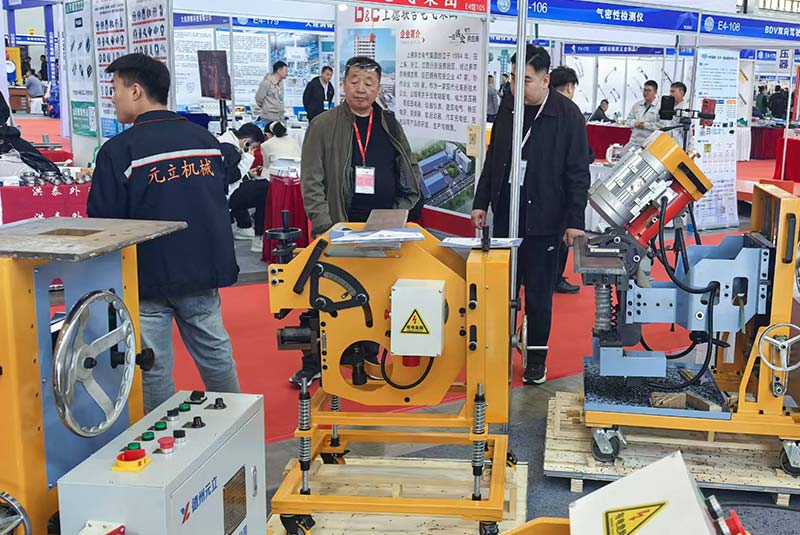
Key Differences in Speed, Efficiency, and Precision
The performance gap between automatic and manual plate beveling machines creates fundamentally different operational models for fabrication shops. Manual beveling, whether through grinding wheels or handheld beveling tools, processes material at approximately 3 inches (76mm) per minute when performed by experienced operators. This pace becomes a significant bottleneck in production operations, especially when processing large volumes of plate.
In stark contrast, automatic beveling machines operate at speeds ranging from 2-3 meters (79-118 inches) per minute, representing a 25-30x improvement in throughput. This dramatic speed advantage transforms beveling from a time-consuming bottleneck into a rapid preparation step that keeps pace with other fabrication processes. For shops processing significant quantities of beveled plate, this difference can mean the difference between meeting tight delivery schedules and missing critical deadlines.
Precision characteristics further distinguish the two approaches. Manual beveling inherently varies based on operator technique, fatigue level, and experience with the specific material and geometry. Even skilled operators struggle to maintain consistent bevel angles within ±2° over extended lengths. Automatic machines achieve ±0.5° accuracy consistently throughout entire workpieces, regardless of length or number of passes required. This precision ensures uniform weld joint preparation across all components, reducing downstream variability in welding operations.
Which Type Suits Small Workshops vs Large Industrial Manufacturers
Small workshops and job shops face distinct operational considerations compared to large industrial manufacturers. These differences significantly influence the optimal beveling equipment choice based on production volume, budget constraints, and operational flexibility requirements.
Small workshops typically process diverse projects with varying beveling requirements—different angles, materials, and thicknesses. Manual or semi-automatic portable beveling machines offer the flexibility to handle this variety without excessive capital investment. These machines allow shops to bevel plates as needed without committing to automated systems optimized for specific applications. For shops processing under 100 meters of beveled edge per day, manual methods may remain economically viable despite their slower speed.
Large industrial manufacturers processing hundreds of meters of beveled plate daily benefit dramatically from automatic beveling equipment. The high initial investment in automatic systems becomes justified through labor savings, reduced rework costs, and increased production capacity. These operations often process repetitive orders with consistent specifications, allowing automatic machines to operate at peak efficiency. Shipyards, pressure vessel manufacturers, and structural steel fabricators typically fall into this category and realize rapid returns on investment from beveling automation.
Mid-sized operations face more nuanced decisions. Those with moderate production volumes (100-500 meters per day) and reasonable diversity in specifications may benefit from versatile semi-automatic machines that offer some automation without the full capital investment of completely automated systems. Many such operations find that hybrid approaches—automatic equipment for standard repetitive jobs and manual machines for custom one-off projects—provide the optimal balance of efficiency and flexibility.
ROI Considerations for Automatic Beveling Machines
The economic justification for investing in automatic plate beveling equipment requires comprehensive analysis of multiple cost factors beyond the initial purchase price. While automatic beveling machines represent significant capital investments ranging from $15,000 to over $100,000 depending on capacity and capabilities, their return on investment becomes evident when examining total operating costs over time.
Direct labor savings often provide the most immediate and measurable ROI component. Assuming skilled welder or fabricator labor rates of $30-50 per hour, manual beveling methods may cost $0.25-0.50 per linear meter in labor alone. Automatic beveling reduces this cost to $0.02-0.05 per meter, representing a 90% reduction. For a shop processing 2,000 meters of beveled edge monthly, this translates to $400-900 in monthly labor savings, or $4,800-10,800 annually—enough to justify mid-range equipment within 2-3 years.
Secondary cost factors accelerate ROI beyond direct labor savings. Reduced rework due to consistent joint quality can decrease welding defect rates from 5-10% to under 2%, saving significant repair costs. Optimized weld metal consumption from properly prepared joints reduces filler metal usage by 15-25%, creating additional material savings. Increased capacity may allow shops to accept additional work without adding personnel, generating revenue that directly contributes to ROI.
When evaluating ROI calculations, manufacturers should consider indirect benefits including improved scheduling reliability due to predictable processing times, reduced operator fatigue and associated safety risks, and enhanced quality reputation with customers. These intangible factors may provide competitive advantages that extend beyond immediate financial calculations but contribute substantially to long-term business success.
High-Speed Plate Beveling Machines and Their Advantages
How High-Speed Models Improve Throughput
High-speed plate beveling machines represent the pinnacle of edge preparation technology, designed specifically for maximum productivity in demanding industrial environments. These machines achieve processing speeds exceeding 3 meters per minute while maintaining precision and surface quality that meets exacting industry standards. Throughput improvements of 300-500% over standard automatic beveling machines enable fabricators to handle larger projects and tighter deadlines with existing workforce levels.
The speed advantage of high-speed beveling machines stems from multiple technological advances. Powerful motors (often 7.5KW or higher) provide the cutting force necessary for rapid material removal. Advanced milling cutter designs with optimized insert geometry maximize cutting efficiency while minimizing tool wear. Sophisticated control systems maintain precise bevel geometry even at accelerated processing rates, ensuring quality does not suffer for speed.
For manufacturers processing extremely high volumes of beveled plate—such as large shipyards, bridge fabricators, or pressure vessel manufacturers—high-speed beveling equipment becomes essential infrastructure rather than optional equipment. These operations may process several kilometers of beveled edge daily, making even small percentage improvements in throughput translate to substantial capacity gains. High-speed machines often become production bottlenecks without which overall facility output would be severely constrained.
Integration with Welding Production Lines
The true value of high-speed beveling machines emerges when integrated into comprehensive fabrication workflows rather than treated as standalone operations. Forward-thinking manufacturers design production lines where beveling, assembly, welding, and finishing operations flow seamlessly from one process to the next, minimizing material handling and maximizing overall throughput.
Integration strategies vary based on production scale and facility layout. In large operations, conveyor systems transfer plates directly from beveling machines to assembly stations, eliminating crane usage and manual handling. Some manufacturers locate beveling equipment adjacent to welding stations to create preparation cells that handle all edge preparation needs for specific project phases. This cell-based approach reduces material movement and creates dedicated work areas optimized for specific processes.
Modern beveling machines increasingly feature connectivity options that support Industry 4.0 initiatives and smart manufacturing concepts. Data logging capabilities record production metrics including bevel lengths, processing times, and tool wear patterns. This information enables predictive maintenance scheduling and performance optimization across entire production facilities. Some advanced systems integrate with welding equipment controls, automatically adjusting welding parameters based on bevel characteristics produced upstream.
The most sophisticated implementations create fully automated plate processing lines where cutting machines perform initial plate sizing and beveling in a single operation. CNC plasma or laser cutting systems with beveling capabilities produce finished plates ready for immediate assembly, eliminating separate beveling operations entirely. While these integrated systems require significant capital investment, they deliver maximum productivity for high-volume applications where the investment can be justified through reduced labor and increased capacity.
Case Studies Showing Efficiency Gains in Industrial Settings
Real-world implementations of high-speed beveling equipment demonstrate the dramatic productivity gains possible when manufacturers commit to modern edge preparation technology. These case studies illustrate how leading fabricators have transformed their operations through strategic investments in beveling automation.
A leading pressure vessel manufacturer previously required 3-4 days to bevel edges for typical vessel components using manual oxy-fuel track burners. After implementing a high-speed automatic beveling machine, the same work was completed in less than 2 hours—a 95% reduction in preparation time. This dramatic improvement allowed the manufacturer to increase production capacity by 40% without adding personnel, enabling them to accept larger orders and reduce delivery lead times from 8 weeks to 4 weeks.
A structural steel fabricator producing bridge components faced quality consistency issues with manual beveling that caused welding defects and rework rates exceeding 12%. After transitioning to automatic beveling equipment, defect rates dropped below 3%, reducing repair costs by over $50,000 annually. The consistent joint quality also allowed welding crews to increase travel speeds by 25% since they no longer needed to compensate for variable fit-up conditions, further boosting overall productivity.
A shipyard processing kilometers of plate edges for vessel construction realized cumulative benefits from high-speed beveling equipment. Beyond the obvious throughput improvements, the shipyard experienced 70% reductions in material handling labor since beveling machines could be brought to workpieces rather than moving plates to stationary preparation areas. Welder efficiency improved 30% due to consistent joint preparation, and overall project schedules shortened by 2-3 weeks per vessel—significant competitive advantages in the shipbuilding industry.
Maintenance and Safety Tips for Plate Beveling Machines
Routine Maintenance Schedules for Optimal Performance
Implementing comprehensive maintenance programs ensures plate beveling machines deliver consistent performance and longevity while maximizing return on investment. Proactive maintenance prevents unexpected downtime, maintains cutting quality, and extends equipment life well beyond minimum expectations. Manufacturers following manufacturer-recommended maintenance schedules typically report 20-30% longer equipment lifespans and 50% fewer breakdowns compared to reactive approaches.
Daily maintenance tasks focus on cleaning and inspection rather than major adjustments. Operators should remove metal chips and debris from cutting areas, guide rails, and clamping mechanisms to prevent abrasive wear and binding. Inspecting cutting inserts for wear or damage ensures prompt replacement before quality deteriorates. Checking hydraulic fluid levels (for hydraulic models) and lubricating guide systems according to manufacturer specifications prevents premature component failure.
Weekly maintenance addresses more detailed inspections and adjustments. Checking belt tension (for belt-driven models), verifying motor alignment, and testing safety switches ensures reliable operation. Measuring bevel angles against known standards confirms accuracy and identifies calibration needs before they affect production quality. Cleaning electrical cabinets and checking for loose connections prevents electrical issues that could cause unexpected downtime.
Monthly or quarterly maintenance involves more comprehensive servicing. Replacing worn bearings, adjusting drive mechanisms, and recalibrating control systems maintains precision and efficiency. For machines used intensively, quarterly service by qualified technicians can identify developing issues before they cause failures. Maintaining detailed maintenance logs helps track component lifespans and plan replacements proactively rather than reactively.
Common Issues and Troubleshooting Techniques
Even well-maintained beveling machines occasionally experience operational issues that affect performance or quality. Understanding common problems and their solutions allows operators to minimize downtime and maintain productivity. Many issues can be resolved quickly with proper diagnosis, while others may require professional service.
Bevel angle inconsistencies typically stem from worn cutting tools, loose mechanical components, or calibration drift. Troubleshooting begins by checking cutting insert condition and replacing worn or damaged inserts. Verifying tightness of all fasteners and mechanical connections eliminates looseness that could affect accuracy. If mechanical components check out, performing calibration according to the manufacturer’s procedure often resolves angle deviations.
Poor surface finish or rough bevels may indicate excessive cutting depths, worn tooling, or inappropriate cutting parameters. Reducing cutting depth per pass and increasing the number of passes often improves surface quality. Ensuring cutting inserts are sharp and appropriate for the material being processed prevents tearing or gouging. Adjusting feed rates to match material hardness and thickness optimizes cutting performance.
Machine vibration or unusual noises often signal bearing wear, belt looseness, or motor problems. Checking belt tension and condition on belt-driven models addresses common vibration sources. Inspecting bearings for play or roughness identifies components requiring replacement. For gear-driven models, checking gear mesh and lubrication conditions resolves many vibration issues. Persistent motor-related problems typically require professional service.
Electrical issues including motor overheating, control malfunctions, or erratic behavior demand careful troubleshooting. Checking voltage levels and phase balance ensures proper power supply. Inspecting electrical connections for looseness or corrosion prevents intermittent failures. For control system issues, resetting to factory defaults and recalibrating often resolves software-related problems. Complex electrical problems should be addressed by qualified technicians to prevent safety hazards.
Safety Guidelines to Prevent Workplace Accidents
Plate beveling machines, like all industrial equipment, present inherent hazards that require comprehensive safety protocols. Implementing robust safety measures protects operators from injury and prevents costly accidents that could disrupt operations. Manufacturers must comply with occupational safety regulations and best practices to create safe working environments around beveling equipment.
Personal protective equipment (PPE) forms the first line of defense against potential hazards. Safety glasses with side shields protect eyes from flying chips and coolant splashes. Hearing protection prevents noise-induced hearing loss during extended operation. Cut-resistant gloves protect hands when handling sharp plates and cutting tools. Steel-toed safety boots protect feet from dropped materials and moving machine parts. For machines generating dust or coolant mist, appropriate respiratory protection may be necessary.
Machine guarding prevents operator contact with moving components during operation. Emergency stop buttons within easy reach allow immediate shutdown if hazards develop. Interlock systems that prevent operation when guards are open ensure operators cannot access cutting areas during active beveling. Clear warning labels and proper training help operators understand hazards and safe operating procedures.
Work area organization and housekeeping contribute significantly to safety. Keeping floors clean and free of oil, coolant, or metal debris prevents slip-and-fall accidents. Ensuring adequate lighting and space around machines allows safe operation and material handling. Proper storage for cutting tools, inserts, and maintenance supplies prevents injuries from handling sharp objects. Establishing clear traffic patterns for material movement prevents collisions between forklifts, cranes, and pedestrian workers.
Blade Replacement and Machine Calibration Tips
Cutting blade (insert) replacement and machine calibration represent two critical maintenance activities that directly affect bevel quality and machine performance. Developing efficient procedures for these tasks minimizes downtime while maintaining optimal cutting accuracy and surface finish.
Cutting inserts wear predictably based on material processed and cutting parameters used. Most manufacturers specify replacement intervals based on cutting length or time in service, but visual inspection remains valuable for identifying premature wear. Signs requiring immediate replacement include chipped or cracked inserts, worn cutting edges reducing bevel quality, or inconsistent bevel dimensions. Replacement procedures should follow manufacturer guidelines regarding insert seating orientation and torque specifications to ensure proper performance.
Machine calibration ensures bevel angles and dimensions meet specification requirements. Calibration intervals depend on machine usage and precision requirements—high-precision applications may require monthly calibration, while less critical applications might calibrate quarterly or annually. The calibration process typically involves measuring actual bevel angles against precision angle gauges and adjusting machine settings to compensate for any deviations. Detailed calibration records help track machine accuracy over time and identify developing issues.
For shops with limited maintenance expertise, establishing relationships with qualified service providers ensures professional support when needed. Many manufacturers offer service contracts that include regular preventive maintenance visits, emergency response, and priority parts availability. These arrangements can prove cost-effective compared to unexpected breakdowns and extended downtime, especially for production-critical equipment.
Selecting the Right Plate Beveling Machine for Your Workshop
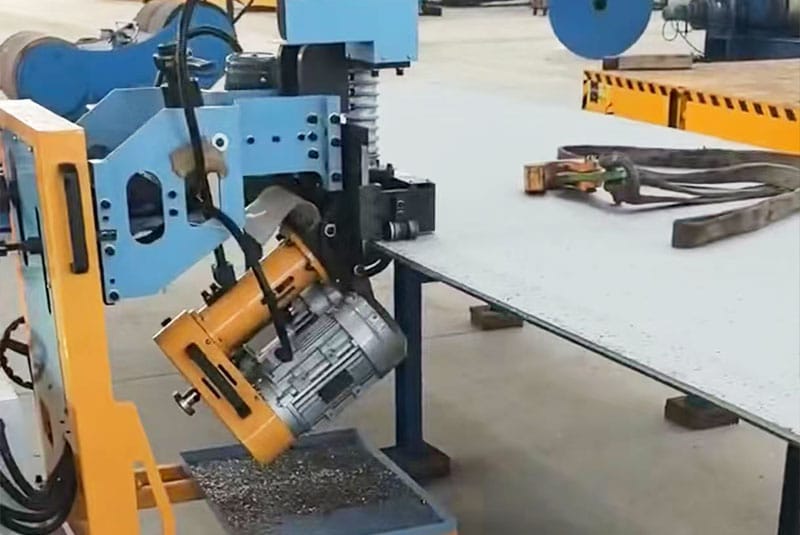
Factors to Consider: Plate Thickness, Bevel Angle, Production Volume
Selecting appropriate beveling equipment requires careful analysis of operational requirements to ensure the chosen machine meets current needs while accommodating future growth. Multiple interrelated factors influence this decision, and understanding how each requirement impacts equipment selection helps manufacturers make informed investments.
Plate thickness capabilities represent the most fundamental consideration. Beveling machines are rated for maximum and minimum thickness ranges they can process effectively. Machines designed for light gauge materials (up to 10mm) cannot handle structural steel thicknesses (25-50mm) without excessive strain and potential damage. Conversely, heavy-duty machines designed for thick plate (up to 120mm) represent unnecessary overinvestment for shops processing primarily thin materials. Evaluating current and anticipated material thickness requirements helps narrow appropriate machine categories.
Bevel angle requirements further refine equipment options based on the diversity of joint geometries processed. If applications consistently use standard V-bevels at 30-37°, machines with fixed angles or limited ranges may suffice. Shops requiring varied angles (15-70°) or complex joint designs (X-bevels, K-bevels, J-bevels) need machines with adjustable cutting heads and sufficient angular range. Considering future application diversity helps avoid purchasing equipment that limits capabilities as product offerings evolve.
Production volume determines whether manual, semi-automatic, or fully automatic equipment provides the best return on investment. Low-volume shops processing under 100 meters of beveled edge daily may find manual or portable machines economically preferable. Mid-range production (100-500 meters daily) typically benefits from semi-automatic or standard automatic models. High-volume operations exceeding 500 meters daily require high-speed automatic equipment to keep pace with production requirements. Calculating labor costs and time savings at different production volumes helps quantify ROI for automation levels.
Choosing Between Portable and Industrial Machines
The decision between portable and stationary industrial beveling machines involves trade-offs between flexibility, capacity, and investment level. Each configuration offers distinct advantages for different operational models, and understanding these characteristics helps manufacturers select equipment that matches their specific needs.
Portable beveling machines offer exceptional flexibility for diverse operations. Their lightweight design (typically 15-100kg depending on capacity) allows easy movement between workstations or job sites. These machines can be brought directly to large workpieces, eliminating the need to move heavy plates to stationary equipment. Job shops with varying customer requirements benefit from this versatility since the same machine can handle different applications as needed. Lower initial investment (often $3,000-15,000 compared to $15,000-100,000+ for industrial models) makes portable equipment accessible to smaller operations with limited capital budgets.
Stationary industrial beveling machines provide superior performance for high-volume production of standardized components. These machines feature robust construction, powerful motors, and advanced control systems optimized for continuous operation. Industrial models typically offer greater capacity (up to 120mm thickness and 45mm bevel width), higher precision, and faster processing speeds than portable alternatives. The fixed positioning facilitates integration with material handling systems and automation for streamlined production workflows. While initial costs are higher, the increased productivity and reduced per-unit processing costs often justify the investment for operations with consistent, high-volume requirements.
Some manufacturers find hybrid approaches optimal—using portable equipment for custom one-off jobs or field work while employing stationary machines for repetitive production items. This strategy maximizes flexibility where needed while leveraging automation’s benefits where appropriate. Evaluating the ratio of custom versus standard work helps determine if this hybrid model provides the best overall solution.
How OEM Customization Can Meet Specific Manufacturer Needs
Many plate beveling machine manufacturers offer customization options that tailor equipment to specific application requirements. Rather than adapting processes to standard equipment capabilities, forward-thinking manufacturers work with OEMs to create solutions optimized for their particular needs. This collaborative approach often yields superior results compared to forcing applications onto generic equipment.
Common customization areas include bevel head design for specific joint configurations. While most standard machines handle V-bevels effectively, specialized applications may require X-bevels, K-bevels, J-bevels, or compound geometries. Custom bevel heads can produce these configurations in a single pass rather than requiring multiple operations, dramatically improving efficiency. For manufacturers processing complex joint geometries regularly, custom tooling often provides rapid payback through reduced processing time.
Material handling accommodations represent another customization opportunity. Machines can be modified to integrate with existing shop layouts, conveyors, or material handling systems. Custom base heights, roller table configurations, or clamping mechanisms allow seamless incorporation into production cells. These integration improvements reduce material movement and handling labor while improving overall workflow efficiency.
Control system modifications accommodate specific operator preferences or quality requirements. Touchscreen interfaces with job-specific settings storage, custom programming for automated sequences, or integrated data logging capabilities enhance functionality beyond standard offerings. For manufacturers with sophisticated quality systems or traceability requirements, these custom controls provide valuable capabilities not available on off-the-shelf equipment.
Supplier and Warranty Considerations
Selecting the right beveling machine involves more than just equipment specifications—the supplier relationship significantly impacts long-term satisfaction and equipment performance. Evaluating potential suppliers across multiple dimensions ensures manufacturers choose partners capable of supporting their needs throughout equipment lifecycle.
Technical expertise and application knowledge distinguish superior suppliers. Companies with extensive experience in metal fabrication and welding understand how beveling quality affects downstream operations. They can provide valuable guidance on equipment selection, process optimization, and troubleshooting that extends beyond basic product specifications. Requesting references from similar applications and visiting existing installations helps verify supplier claims and customer satisfaction levels.
Service and support capabilities prove crucial after equipment purchase. Responsive technical support minimizes downtime when problems occur. readily available spare parts inventory prevents extended waits for critical components. Training programs ensure operators and maintenance personnel can use equipment effectively and safely. Geographic presence with local service technicians enables timely on-site support when issues cannot be resolved remotely.
Warranty terms provide important protection for capital investments. Comprehensive coverage that includes parts, labor, and travel for specified periods reduces financial risk from premature failures. Extended warranty options may provide additional protection for critical equipment. Understanding warranty terms, exclusions, and claim procedures before purchase prevents unexpected expenses later.
Financial stability and longevity of the supplier warrant consideration, especially for long-life equipment requiring ongoing support. Established companies with strong financial positions are more likely to remain in business and honor warranty commitments throughout equipment lifespan. Checking supplier financial health, years in business, and industry reputation provides confidence in the partnership’s durability.
Case Studies: Improving Welding Efficiency with Plate Beveling Machines
Real-World Examples of Workshops Upgrading from Manual to Automatic Beveling
The transition from manual to automatic plate beveling represents a significant operational transformation for fabrication shops. Examining real-world implementations provides valuable insights into challenges faced, benefits realized, and lessons learned during this evolution. These case studies demonstrate how various manufacturers have successfully navigated this transition.
A structural steel fabricator previously relied entirely on manual grinding for beam and column edge preparation. This approach consumed significant labor hours and produced inconsistent joint quality that contributed to welding defects and rework. After installing automatic beveling equipment, the shop experienced immediate productivity improvements—what previously required 3-4 days of labor could now be completed in 4-6 hours. However, the transition wasn’t without challenges. Operators required training to understand the new equipment, and initial setup procedures took time to optimize. Within three months, the shop had fully adapted to the new workflow and realized 60% reductions in beveling labor costs, 40% improvements in welding efficiency due to consistent joint preparation, and 75% reductions in rework rates.
A pressure vessel manufacturer faced different challenges due to the large size and heavy weight of components requiring beveling. Manual methods were physically demanding and ergonomically hazardous for workers preparing vessel shell plates. Automatic portable beveling machines eliminated the physical strain while improving quality. The biggest implementation hurdle was developing procedures to position and secure the heavy plates for beveling. After designing custom fixtures and training crews on proper techniques, the manufacturer realized significant benefits beyond productivity—reduced worker fatigue and injury risk, improved weld joint consistency, and elimination of outsourced beveling work that had been required for certain components. The ROI calculation showed payback within 18 months based on labor savings alone.
Measurable Improvements in Welding Speed and Quality
Quantifying the impact of plate beveling automation requires measuring key performance indicators before and after equipment implementation. Leading manufacturers track these metrics to validate investment decisions and identify opportunities for further optimization. The data collected consistently shows dramatic improvements across multiple dimensions.
Beveling speed improvements are the most obvious and easily measured benefit. Manual grinding typically achieves 3 inches (76mm) per minute, while automatic beveling machines operate at 2-3 meters (79-118 inches) per minute—a 25-30x throughput increase. One manufacturer measuring beveling throughput found that 2,000 linear meters of edge preparation that previously required 437 hours of manual labor was completed in just 17 hours with automatic equipment. This dramatic reduction freed substantial labor capacity for value-added tasks.
Welding speed improvements result indirectly from consistent joint preparation. When bevel geometry is uniform, welders can use optimized procedures without compensating for variability. Measured improvements include 20-30% faster welding travel speeds, 15-25% reduced weld metal consumption due to optimized joint fit-up, and 40-60% reductions in fit-up time. One manufacturer tracked welding time for identical components before and after beveling automation, finding 22% faster cycle times due primarily to reduced preparation and fit-up activities.
Quality improvements manifest in reduced defect rates and rework. Manual beveling often produces 5-10% welding defect rates due to inconsistent joint geometry. Automatic beveling typically reduces defects to 2% or below. One manufacturer tracking rework costs found that eliminating $50,000-75,000 annually in weld repairs alone provided significant ROI justification for the equipment investment. Beyond direct cost savings, improved quality enhances customer satisfaction and strengthens competitive positioning.
Cost Savings and Labor Efficiency Benefits
The financial impact of plate beveling automation extends across multiple cost categories, creating cumulative savings that justify equipment investment. Manufacturers implementing automatic beveling consistently report favorable economic outcomes when evaluating total cost of ownership and operational benefits.
Direct labor savings provide the most immediately measurable ROI component. For a shop processing 2,000 meters of beveled edge monthly, manual methods at $40/hour labor cost require approximately 437 hours costing $17,480. Automatic beveling at $40/hour requires only 17 hours costing $680—saving $16,800 monthly or $201,600 annually. These savings easily justify mid-range equipment investments within 12-18 months.
Material savings accumulate through multiple mechanisms. Reduced kerf loss compared to thermal cutting methods saves 15-30% of base material. Optimized weld metal consumption from proper joint fit-up reduces filler metal usage by 15-25%. Lower defect rates reduce scrap and rework material consumption. One manufacturer processing 100 tons of plate monthly estimated total material savings of $40,000-60,000 annually from beveling automation—a substantial addition to labor savings.
Productivity gains create additional revenue opportunities beyond direct cost reductions. Faster turnaround times enable shops to accept rush orders they previously couldn’t handle without impacting existing schedules. Increased capacity allows growth without proportional increases in labor or facility expansion. Improved quality capabilities open new market opportunities with higher value applications. One manufacturer attributed $300,000 in additional annual revenue to capabilities enabled by beveling automation—nearly double the equipment cost.
Future Trends in Plate Beveling Technology
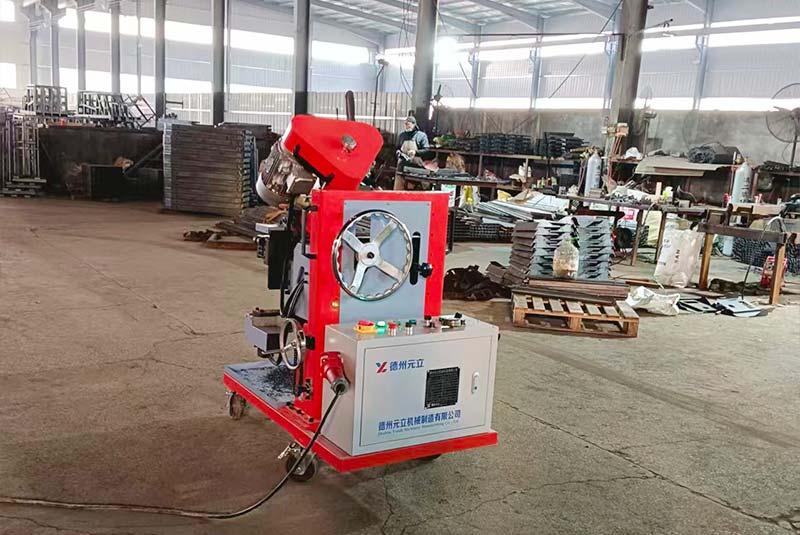
Smart Automation and CNC-Controlled Beveling Machines
The evolution of plate beveling technology continues accelerating as manufacturers incorporate advanced automation, digital controls, and Industry 4.0 concepts. These innovations transform beveling from a manual preparation step into an intelligent, data-driven process integrated with broader manufacturing systems. The next generation of beveling equipment offers capabilities that dramatically enhance productivity, quality, and operational efficiency.
CNC-controlled beveling machines represent a significant advancement over conventional automatic models. Rather than simple fixed-angle operations, CNC bevelers can execute complex joint geometries including variable angles, compound bevels, and even curved bevel profiles based on programmed instructions. This capability eliminates the need for multiple specialized machines or complex manual setups to accommodate diverse joint designs. One manufacturer implementing CNC beveling reduced their equipment requirements from five different beveling machines to two versatile CNC models while expanding joint geometry capabilities.
Smart beveling systems incorporate sensors and monitoring capabilities that optimize cutting parameters in real time. Acoustic sensors detect tool wear and automatically adjust cutting speeds or trigger insert replacement before quality deteriorates. Force sensors monitor cutting resistance and modify feed rates to prevent tool breakage on hard spots or inclusions. Temperature sensors prevent excessive heat buildup that could affect material properties. These intelligent features extend tool life, improve consistency, and reduce operator monitoring requirements.
Integrated quality verification represents another advancing capability. Laser scanning systems measure bevel geometry immediately after cutting, comparing actual results to specified tolerances. Automated compensation corrects any deviations without operator intervention. Closed-loop control systems maintain precision throughout extended production runs regardless of tool wear or environmental variations. These capabilities eliminate costly rework caused by gradual drift or sudden tool failures that might go unnoticed with conventional equipment.
Integration with Industry 4.0 and Digital Welding Systems
The convergence of beveling technology with broader digital manufacturing initiatives creates synergistic benefits across entire fabrication operations. Rather than treating beveling as an isolated preparation step, progressive manufacturers integrate it with cutting, assembly, welding, and quality control processes into unified digital ecosystems. This holistic approach maximizes efficiency and creates data-driven optimization opportunities.
Digital twins—virtual representations of physical equipment and processes—enable simulation and optimization before physical implementation. Manufacturers can simulate beveling operations for new components, identifying potential issues and optimizing parameters before cutting actual material. Process data from physical beveling operations feeds back to improve simulation accuracy, creating continuous improvement cycles. One manufacturer reported reducing new product introduction time by 40% through digital twin simulation of beveling operations.
Enterprise resource planning (ERP) integration connects beveling equipment with broader manufacturing management systems. Production schedules automatically feed to beveling machines, optimizing work sequencing across multiple jobs. Real-time production data updates ERP systems, providing accurate status information for scheduling and customer communication. Preventive maintenance triggers based on actual usage rather than arbitrary time intervals maximize equipment availability. This integration eliminates manual data entry errors and provides comprehensive visibility into beveling operations.
Predictive analytics leverage data from multiple sources to optimize operations continuously. Analyzing beveling parameters, tool wear patterns, and welding results identifies optimal settings for different applications. Correlating bevel quality data with downstream defect rates highlights preparation issues requiring attention. Predictive maintenance algorithms anticipate component failures before they cause unplanned downtime. These data-driven insights enable continuous improvement that compounds over time.
Emerging Materials and Their Impact on Beveling Requirements
Material science advances continuously introduce new alloys and composites with unique characteristics that challenge conventional beveling approaches. These emerging materials require specialized tooling, parameters, and techniques to achieve acceptable results. Beveling equipment manufacturers respond with innovations designed to handle these challenging materials while maintaining productivity and quality requirements.
High-strength low-alloy (HSLA) steels with yield strengths exceeding 690 MPa present significant machining challenges due to their work hardening characteristics. Successful beveling requires sharp tooling, reduced cutting speeds, and optimized feed rates to prevent work hardening that makes subsequent passes increasingly difficult. Advanced insert geometries with specialized coatings reduce cutting forces and heat generation, extending tool life while maintaining surface quality. Some manufacturers implementing laser-assisted beveling for these materials report 2-3x improvements in tool life compared to conventional methods.
Advanced nickel alloys including Inconel and Hastelloy present their own beveling challenges due to high strength at elevated temperatures and tendency to work harden aggressively. Cold-cutting beveling machines with appropriate carbide or ceramic inserts can successfully process these materials when parameters are carefully optimized. Some applications benefit from cryogenic cooling using liquid nitrogen to control heat input and reduce work hardening. Manufacturers developing specialized beveling solutions for these exotic materials gain competitive advantages in aerospace, chemical processing, and energy markets.
Fiber-reinforced composites increasingly replace metals in weight-critical applications like aerospace, automotive, and sporting goods. Beveling these materials requires specialized approaches to prevent fiber pull-out, delamination, or other damage mechanisms. Abrasive cutting with diamond tools, ultrasonic cutting, or waterjet beveling provide solutions depending on material composition and quality requirements. As composite use expands, beveling equipment manufacturers continue developing innovations tailored to these unique materials.
Conclusion
The cumulative impact of plate beveling machines on manufacturing operations extends far beyond simple edge preparation. These essential tools transform welding processes, reduce costs, improve quality, and enhance competitive positioning across diverse industries. The benefits realized justify investment for fabricators of all sizes, though specific advantages vary based on production scale and application requirements.
Productivity improvements represent the most immediate and easily quantified benefit. Throughput increases of 200-500% over manual methods enable shops to process larger volumes without proportional increases in labor or facilities. High-speed models push these gains even further, often achieving 1000%+ improvements compared to grinding or torch beveling. These productivity enhancements directly translate to increased capacity, shorter lead times, and improved ability to meet tight delivery deadlines—critical competitive advantages in time-sensitive industries.
Quality improvements manifest in multiple dimensions that collectively enhance product value. Consistent bevel geometry within ±0.5° tolerances ensures uniform weld joint preparation across all components. Clean, oxide-free surfaces from cold-cutting processes require minimal pre-weld cleaning and promote optimal weld metal wetting. These quality characteristics reduce welding defects from 5-10% to below 2%, eliminating costly rework and enhancing final product performance. Improved quality also strengthens customer relationships and supports premium pricing strategies.
Cost savings accumulate through multiple channels, creating compelling ROI justifications. Direct labor reductions save $15-25 per hour compared to manual methods—substantial sums for operations processing significant bevel volumes. Material savings from reduced kerf loss (15-30%) and optimized weld metal consumption (15-25%) add thousands to tens of thousands of dollars annually depending on material costs. Reduced rework eliminates significant waste and associated processing costs. For most manufacturers, the combination of these savings delivers payback periods of 12-24 months on equipment investments.
FAQ
Q: What is a plate beveling machine used for?
A: A plate beveling machine is used to create precise angled edges on metal plates before welding. This preparation process increases surface area for weld penetration, ensures stronger joints, and improves overall welding quality. These machines are essential for industries including shipbuilding, pressure vessel manufacturing, structural steel fabrication, and construction.
Q: How much faster is automatic plate beveling compared to manual methods?
A: Automatic plate beveling machines operate at 2-3 meters per minute, while manual grinding typically processes only 3 inches (76mm) per minute. This represents a 25-30x improvement in speed. For large-scale operations, what might take several hours manually can often be completed in minutes with automatic equipment.
Q: What materials can be processed with a plate beveling machine?
A: Modern plate beveling machines handle a wide range of materials including carbon steel, stainless steel, aluminum alloys, copper, manganese steel, and specialty alloys like duplex stainless steels and abrasion-resistant steels. The cold-cutting process prevents heat-affected zones, making it suitable for heat-sensitive materials.
Q: What is the typical return on investment for automatic plate beveling equipment?
A: Most manufacturers realize ROI within 12-18 months based primarily on labor savings alone. A shop processing 2,000 meters of beveled edge monthly can save over $16,000 in labor costs. Additional savings come from reduced material waste, lower rework costs, optimized weld metal consumption, and increased production capacity.
Q: What bevel angles can plate beveling machines produce?
A: Depending on the model, plate beveling machines can produce bevel angles ranging from 15° to 70° with accuracy within ±0.5°. Common configurations include V-bevels (typically 25-35°), X-bevels, K-bevels, Y-bevels, and J-bevels. Advanced CNC models can execute variable angles and compound bevel profiles based on programmed instructions.