Table of Contents
What is a Metal Beveling Machine and How Does it Work?
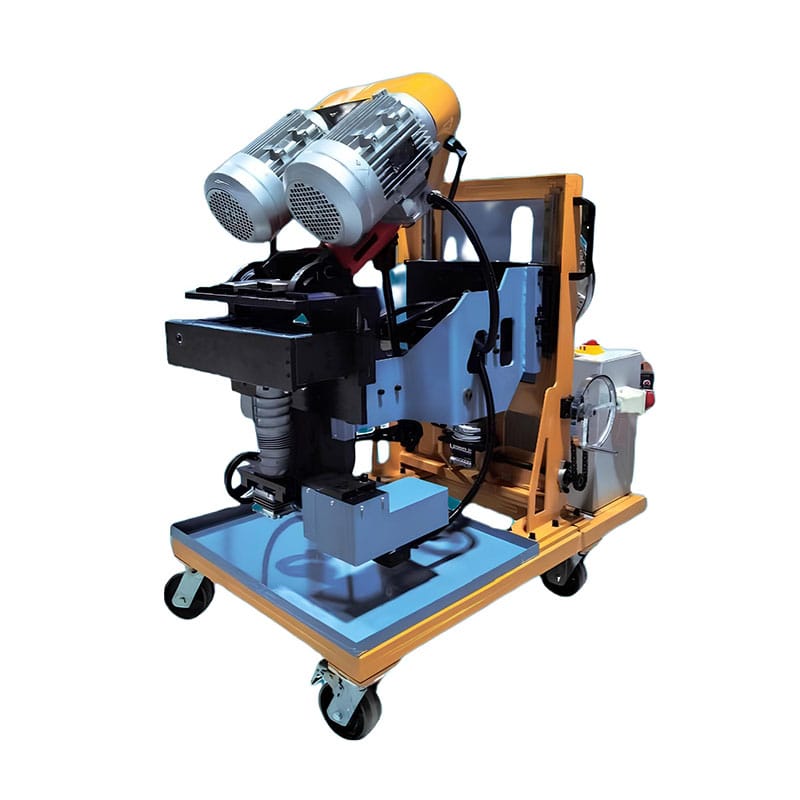
A metal beveling machine is a specialized industrial tool designed to create angled edges or chamfers on metal plates, pipes, and structural components. These machines are widely used in welding preparation, metal fabrication, construction, and manufacturing of machinery parts. By automating the beveling process, metal beveling machines improve accuracy, reduce labor costs, and ensure uniform edges, which is crucial for high-quality welding and assembly.
Modern beveling machines operate using either mechanical cutting blades, abrasive tools, or CNC-controlled milling heads. CNC beveling machines, for example, use programmable cutting paths to achieve precise bevel angles consistently across batches, eliminating human error. Portable beveling machines, on the other hand, are lightweight, easy to transport, and perfect for on-site beveling of pipes or structural plates.
Whether used for carbon steel, stainless steel, or aluminum, these machines prepare edges efficiently, improving both the aesthetics and structural integrity of fabricated components.
Key Features and Advantages of Metal Beveling Machines
Investing in a high-quality metal beveling machine offers manufacturers several key benefits:
- Precision and Accuracy: CNC beveling machines can achieve tolerances within ±0.1 mm, ensuring every bevel is identical.
- Time Efficiency: Automated beveling reduces processing time by up to 70% compared to manual grinding or cutting.
- Durability: Heavy-duty construction and high-quality cutting blades extend service life, even in demanding industrial environments.
- Versatility: Adjustable bevel angles (commonly 15°–45°) allow customization for a wide range of metal fabrication needs.
- Reduced Material Waste: Uniform bevels minimize errors, reducing scrap and lowering material costs.
- Safety: Enclosed cutting systems and automated operation reduce operator exposure to sparks and sharp edges.
Using a beveling machine not only increases productivity but also enhances the consistency and quality of welded joints.
Choosing the Right Metal Beveling Machine for Your Workshop
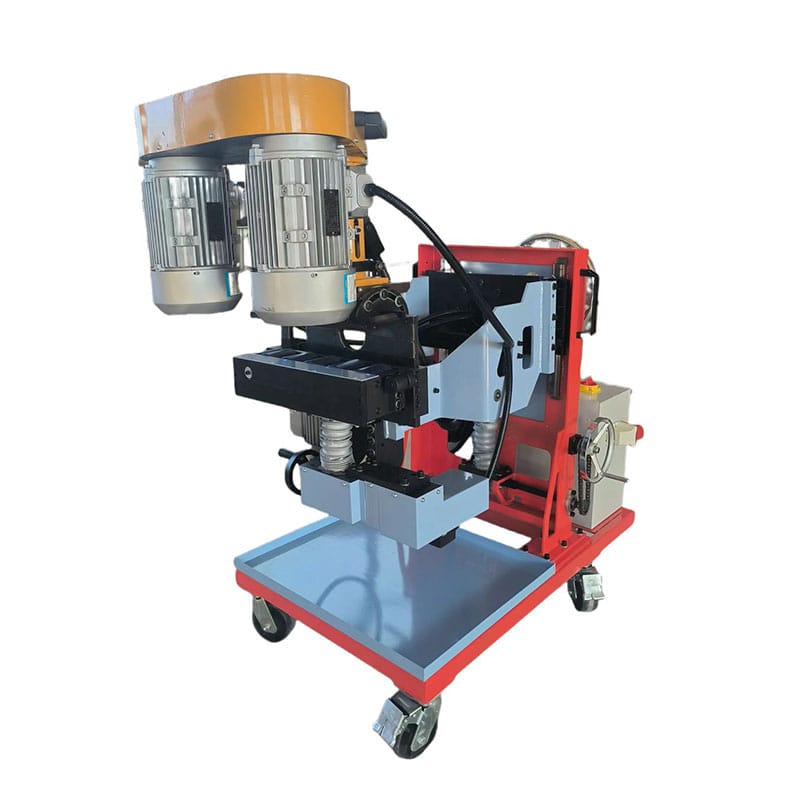
Selecting the right machine depends on multiple factors:
- Material Type and Thickness: CNC beveling machines handle thick steel plates up to 60mm, while portable units are better suited for thin metal sheets or pipe edges.
- Production Volume: For high-volume manufacturing, CNC or industrial-grade beveling machines are ideal. For small workshops or repair work, manual or portable machines suffice.
- Bevel Complexity: Some applications require compound angles or double bevels, which advanced CNC machines can achieve with minimal setup.
- Budget and ROI: While CNC machines may require higher initial investment, their efficiency, reduced labor costs, and lower material waste provide excellent long-term returns.
Pro Tip: When choosing a metal beveling machine, consider future production plans. Investing in a slightly more advanced model may save costs and upgrades in the long run.
Applications of Metal Beveling Machines Across Industries
Metal beveling machines serve a broad range of applications across different industries:
- Steel Fabrication and Construction: Beveling edges for beams, columns, and plates ensures precise welds for bridges, buildings, and industrial structures.
- Pipe and Pressure Vessel Manufacturing: Consistent beveled edges improve weld penetration and prevent leakages in pipelines and tanks.
- Shipbuilding and Aerospace: High-precision beveling machines are used to prepare metal panels and structural components that meet strict industry tolerances.
- Custom Metal Projects: Workshops producing furniture, architectural elements, or machinery parts rely on beveling machines for quality finishes.
By supporting these applications, beveling machines allow manufacturers to maintain high standards while reducing labor-intensive grinding or manual beveling processes.
Maintenance and Safety Tips for Metal Beveling Machines
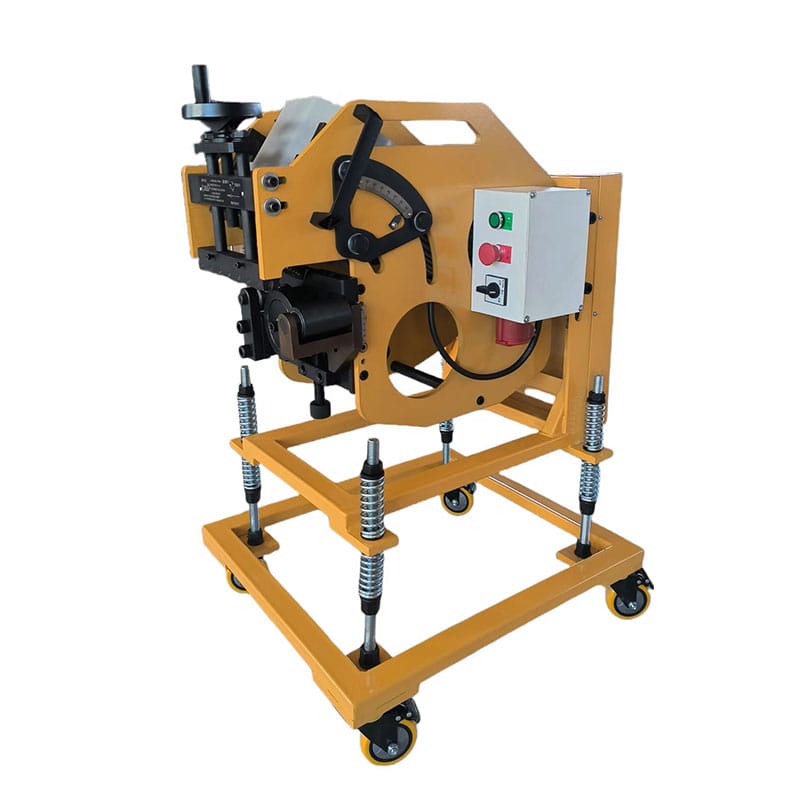
Proper maintenance is crucial to maximize efficiency and prevent downtime:
- Routine Cleaning and Lubrication: Metal shavings and dust should be removed regularly, and moving parts lubricated to prevent wear.
- Blade Inspection: Cutting blades should be checked for sharpness and replaced promptly to maintain precision.
- Calibration: Periodically verify angles and cutting depth for CNC and manual machines to ensure accuracy.
- Safety Protocols: Always use personal protective equipment (PPE), keep guards in place, and train operators thoroughly.
- Troubleshooting: Uneven bevels can often be corrected by adjusting cutting speed, feed rate, or machine alignment.
Regular maintenance extends machine life, reduces repair costs, and ensures operator safety.
Comparing Metal Beveling Machines: Manual vs CNC vs Portable
| Feature | Manual Beveling Machine | CNC Metal Beveling Machine | Portable Metal Beveling Machine |
|---|---|---|---|
| Precision | Moderate (±0.5 mm) | High (±0.1 mm) | Medium (±0.2–0.3 mm) |
| Speed | Slow | Fast | Moderate |
| Suitable For | Small workshops | Industrial-scale production | On-site or flexible applications |
| Cost | Low | High | Medium |
| Maintenance | Moderate | Low | Low |
| Operator Skill | High | Moderate | Moderate |
| Material Compatibility | Limited | Wide | Moderate |
This table helps manufacturers quickly compare options. CNC machines excel in precision and efficiency for large-scale production, while portable machines offer flexibility and convenience for field operations.
How to Buy the Best Beveling Machine
When purchasing a beveling machine, keep the following in mind:
- Features: Adjustable bevel angles, blade quality, automation, and compatibility with different metals.
- Supplier Reputation: Reliable manufacturers provide certified machines, spare parts, and technical support.
- Warranty and Service: Ensure your investment is protected with a solid warranty and responsive after-sales service.
- User Reviews and Case Studies: Check real-world applications and customer feedback to evaluate performance.
Manufacturers should balance cost, efficiency, and durability when choosing the right machine for their workshop.
Industry Trends and Innovations in Metal Beveling Machines
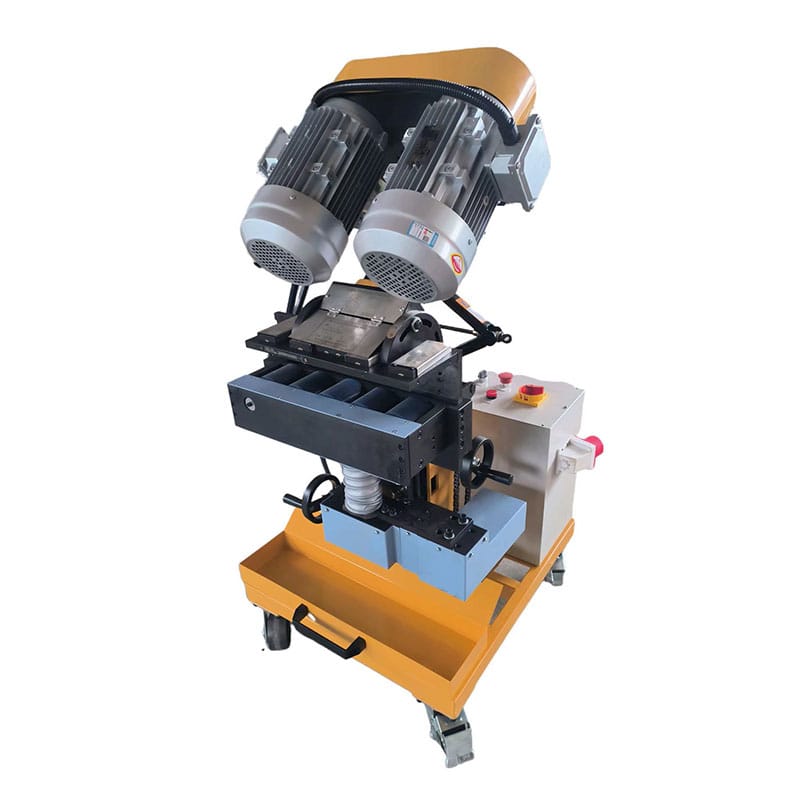
The metal fabrication industry is rapidly evolving, and beveling technology continues to improve:
- CNC Integration: New CNC beveling machines allow fully automated operations, including complex angles and compound bevels.
- Energy Efficiency: Modern machines are designed to reduce power consumption while maintaining high performance.
- Smart Automation: Some machines feature digital interfaces, IoT connectivity, and automated diagnostics to monitor blade wear and optimize performance.
- Advanced Materials: Blades with superior coatings extend life and improve cutting on stainless steel, aluminum, and exotic alloys.
Adopting these innovations allows manufacturers to stay competitive while improving product quality and operational efficiency.
Conclusion
Metal beveling machines are essential tools for modern manufacturers, offering precision, efficiency, and versatility. By investing in high-quality beveling equipment, workshops can improve weld quality, reduce labor costs, and achieve consistent results across multiple projects.
As a leading manufacturer of metal beveling machines, we provide a wide range of solutions, including CNC, portable, and manual beveling machines. Each model is designed to meet diverse industrial needs, from heavy steel fabrication to precision pipe beveling. Explore our products today to enhance your workshop’s efficiency, reduce material waste, and elevate the quality of your metal fabrication projects.
FAQ
Q1: What is a metal beveling machine used for?
A: A metal beveling machine is used to create angled edges or chamfers on metal plates and pipes, improving weld quality and preparation for fabrication.
Q2: What types of metal beveling machines are available?
A: There are manual, CNC, and portable metal beveling machines, each suited for different production volumes, precision needs, and work environments.
Q3: How do I choose the right metal beveling machine?
A: Consider material type, plate thickness, production volume, required bevel angles, and budget to select the machine that best fits your workshop needs.
Q4: What maintenance is required for a metal beveling machine?
A: Regular cleaning, lubrication, blade inspection, and calibration are essential to maintain precision, efficiency, and prolong the machine’s lifespan.
Q5: Can a metal beveling machine improve productivity?
A: Yes. By automating beveling, these machines reduce labor, minimize material waste, and ensure consistent results, significantly improving workshop efficiency.