Table of Contents
In modern steel fabrication and welding preparation, edge quality directly affects structural strength, welding efficiency, and overall production cost. As a manufacturer specializing in plate bevel machines, we work closely with fabricators, shipyards, and heavy industry plants that require consistent, accurate, and repeatable plate beveling solutions.
This guide is written to help engineers, buyers, and production managers clearly understand what a plate bevel machine is, how it works, and how to choose the right solution for different steel plate processing needs. Whether you are improving welding preparation or upgrading your fabrication workflow, this article provides practical insights based on real manufacturing experience.
What Is a Plate Bevel Machine?
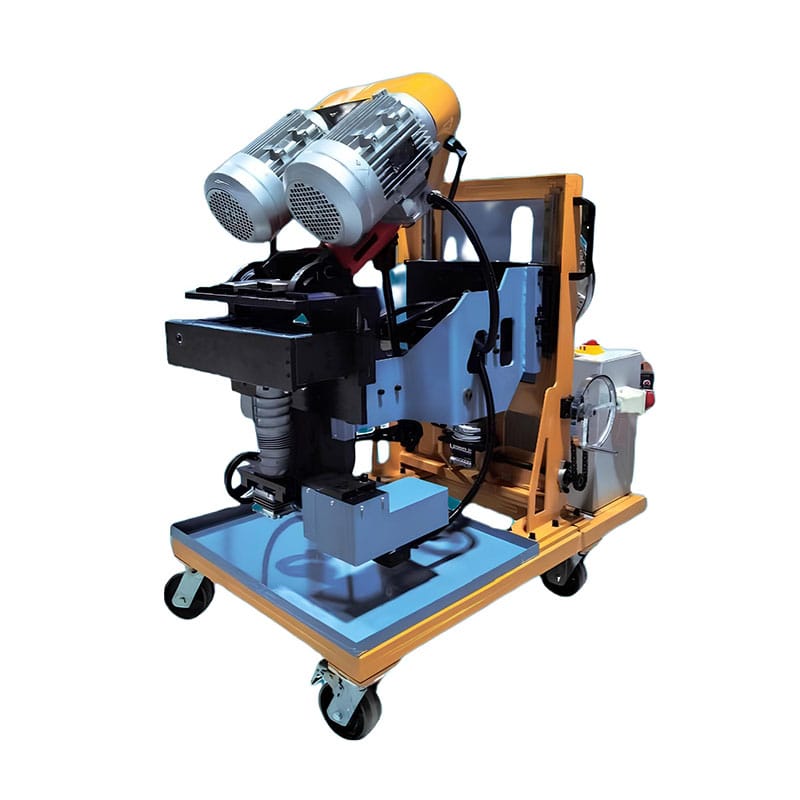
A plate bevel machine is an industrial machine designed to create precise bevels on the edges of steel plates before welding or assembly. The beveling process prepares the plate edge by removing material at a controlled angle, ensuring proper weld penetration and joint strength.
Compared with traditional methods such as flame cutting or manual grinding, mechanical plate beveling delivers higher accuracy, cleaner edges, and better consistency. This makes plate bevel machines an essential tool in modern steel plate beveling, especially for thick plates and large-scale fabrication projects.
Plate bevel machines are widely used for carbon steel, stainless steel, and alloy steel plates, providing stable edge preparation for demanding industrial applications.
How a Plate Bevel Machine Works
A plate bevel machine removes material from the plate edge using cutting tools or milling heads mounted on a stable frame. The machine moves along the plate edge while maintaining a fixed bevel angle and cutting depth.
In automatic or CNC plate bevel machines, the feeding speed, bevel angle, and cutting parameters are precisely controlled to ensure uniform results. Manual or semi-automatic models offer flexibility for on-site or low-volume beveling tasks.
The typical plate beveling process includes:
- Positioning the steel plate
- Setting the bevel angle and depth
- Feeding the machine along the plate edge
- Producing a smooth, weld-ready bevel surface
This mechanical process minimizes heat input and distortion, which is a key advantage over thermal cutting methods.
Types of Plate Bevel Machines
Plate bevel machines are available in several configurations to suit different production environments.
Portable plate bevel machines are compact and easy to move, making them ideal for on-site beveling or limited workshop space.
Stationary plate bevel machines are designed for workshop-based production, offering higher stability and continuous operation for large plates.
Automatic and CNC plate bevel machines provide advanced control, high repeatability, and increased productivity, especially for thick steel plates and high-volume fabrication.
Heavy-duty plate bevel machines are built for processing large and thick plates commonly used in pressure vessels, bridges, and offshore structures.
Choosing the right type depends on plate size, thickness, production volume, and required precision.
Key Features to Look for in a Plate Bevel Machine
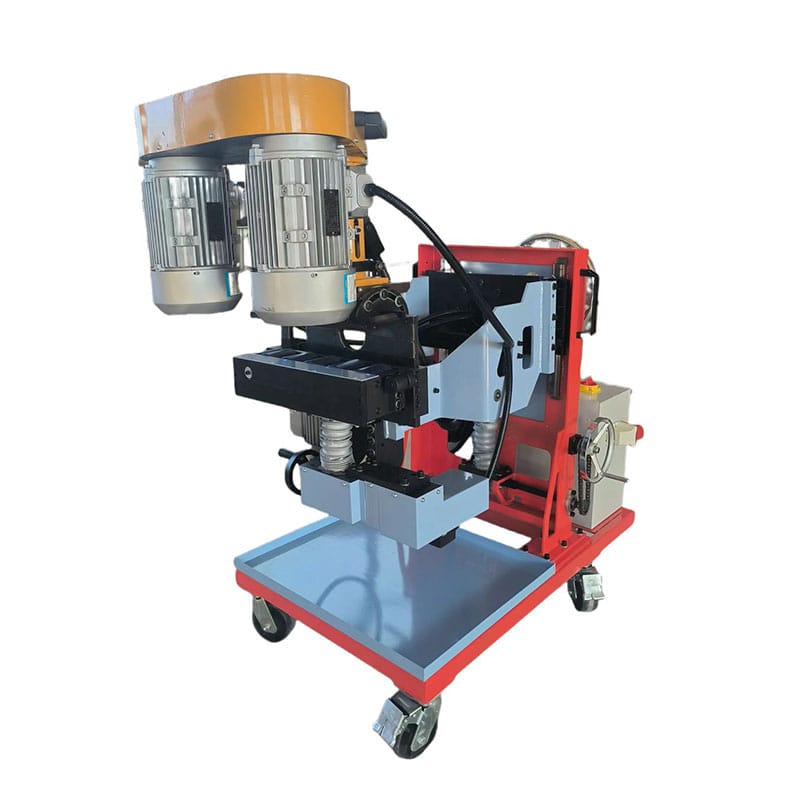
When selecting a plate bevel machine, several technical features directly affect performance and long-term value.
Maximum plate thickness determines whether the machine can handle heavy steel plates efficiently. Bevel angle range and adjustability are essential for meeting different welding standards.
Cutting accuracy and edge quality influence weld strength and reduce rework. A stable power system and rigid structure ensure consistent beveling, even under heavy loads.
Safety features such as protective covers, emergency stops, and operator guards are critical for industrial environments.
Below is a simplified comparison of key features commonly considered in plate bevel machines:
| Feature | Importance in Production |
|---|---|
| Maximum Plate Thickness | Determines suitability for heavy fabrication |
| Bevel Angle Range | Supports different welding joint designs |
| Cutting Accuracy | Ensures consistent weld quality |
| Automation Level | Improves efficiency and repeatability |
| Safety Design | Protects operators and equipment |
Plate Beveling Process for Welding Preparation
Proper plate beveling is a critical step in welding preparation. Without accurate bevels, weld penetration may be insufficient, leading to weak joints and structural risks.
Common bevel types include V, Y, X, and K bevels, each designed for specific welding methods and plate thicknesses. Industry welding standards define recommended bevel angles to ensure optimal fusion and strength.
A well-prepared bevel allows welders to achieve better control, reduces filler material consumption, and improves overall welding efficiency. Mechanical plate bevel machines help maintain these standards consistently across all processed plates.
Applications of Plate Bevel Machines in Different Industries
Plate bevel machines are widely used across multiple industries where steel plate processing is essential.
In steel structure and heavy fabrication, precise beveling improves assembly speed and structural reliability. Pressure vessel and boiler manufacturing rely on accurate bevels to meet strict safety and inspection requirements.
Shipbuilding and offshore engineering require heavy-duty plate bevel machines capable of handling large plates with consistent edge quality. Pipeline and energy equipment fabrication also benefit from clean, accurate bevels that support high-quality welds under pressure.
These applications demand stable, industrial-grade beveling solutions designed for long-term operation.
Plate Bevel Machine vs Traditional Beveling Methods
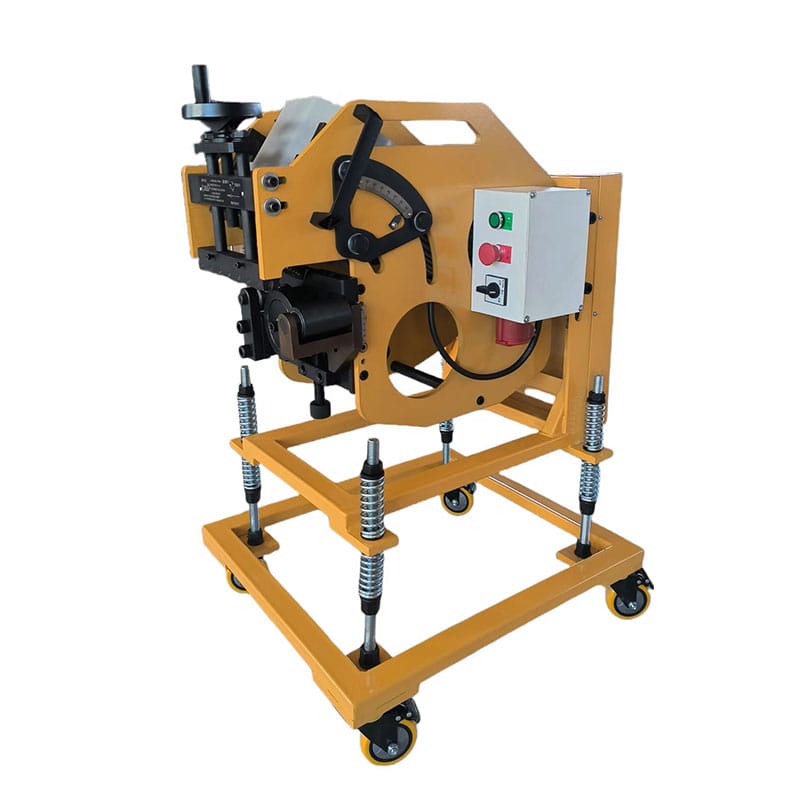
Traditional beveling methods such as flame cutting and manual grinding are still used in some workshops, but they come with limitations.
Flame cutting introduces heat distortion and inconsistent bevel quality. Grinding is labor-intensive and difficult to control for large plates.
In contrast, plate bevel machines offer mechanical precision, higher efficiency, and repeatable results. For manufacturers aiming to improve productivity and welding quality, modern plate bevel machines provide a clear advantage over traditional beveling methods.
How to Choose the Right Plate Bevel Machine for Your Production Needs
Choosing the right plate bevel machine starts with understanding your material type, plate thickness, and production volume. Carbon steel and stainless steel may require different tooling and cutting parameters.
Automation level should match your production workflow. High-volume manufacturers benefit from automatic or CNC plate bevel machines, while smaller operations may prefer flexible, portable solutions.
Workshop layout, mobility requirements, and long-term maintenance costs should also be considered. Working directly with a plate bevel machine manufacturer allows for customization and technical support tailored to your specific application.
Maintenance and Operation Tips for Long-Term Performance
Regular maintenance ensures stable performance and extends the service life of a plate bevel machine. Daily inspections help detect tool wear, loose components, and abnormal operation.
Cutting tools should be replaced or adjusted according to material type and usage frequency. Proper lubrication and cleaning reduce downtime and improve cutting quality.
Following manufacturer-recommended operating procedures not only protects the machine but also ensures consistent beveling results over time.
Why Buying Directly from a Plate Bevel Machine Manufacturer Matters
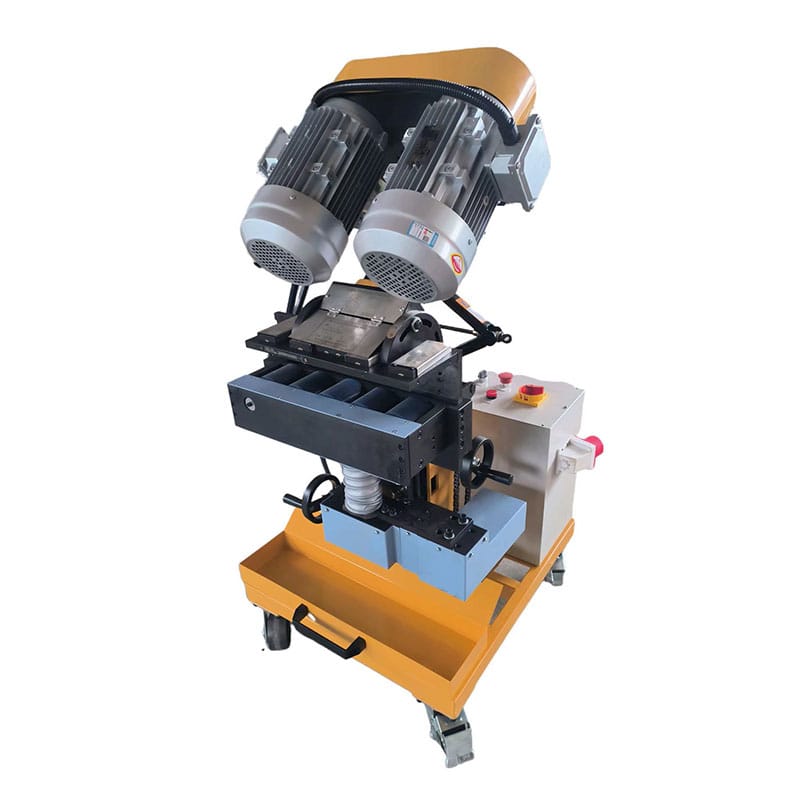
Purchasing directly from a plate bevel machine manufacturer provides significant advantages. Manufacturers control design, material selection, and quality inspection throughout the production process.
Direct communication allows for customized beveling solutions, whether for thick plates, special bevel angles, or unique production environments. Reliable after-sales support and technical guidance further ensure long-term operational stability.
For industrial users, this direct relationship reduces total cost of ownership while improving production efficiency and consistency.
Conclusion
A plate bevel machine is a vital piece of equipment for efficient steel plate beveling and welding preparation in modern manufacturing. By understanding how plate bevel machines work, the different machine types available, and the key features that influence bevel quality, manufacturers can make informed decisions that improve productivity and weld performance.
Selecting the right plate bevel machine is not only about cutting capability but also about accuracy, reliability, and long-term value. Working directly with an experienced plate bevel machine manufacturer ensures access to professional expertise, customized solutions, and dependable support, helping fabrication operations achieve consistent, high-quality results in demanding industrial environments.
FAQ
Q1: What is a plate bevel machine used for?
A plate bevel machine is used to create precise bevels on steel plate edges before welding. It improves weld penetration, joint strength, and overall welding efficiency in metal fabrication.
Q2: What materials can a plate bevel machine process?
Most plate bevel machines can process carbon steel, stainless steel, and alloy steel plates. Tooling and cutting parameters can be adjusted based on material type and thickness.
Q3: What is the maximum plate thickness a plate bevel machine can handle?
The maximum plate thickness depends on the machine model. Heavy-duty plate bevel machines are designed to handle thick steel plates used in pressure vessels, shipbuilding, and structural fabrication.
Q4: How is a plate bevel machine different from flame cutting or grinding?
Unlike flame cutting or manual grinding, a plate bevel machine provides mechanical beveling with higher accuracy, cleaner edges, and consistent bevel angles without heat distortion.
Q5: Should I buy a plate bevel machine directly from the manufacturer?
Buying directly from a plate bevel machine manufacturer ensures better quality control, customization options, technical support, and long-term reliability for industrial applications.