Table of Contents
What is an Automatic Beveling Machine?
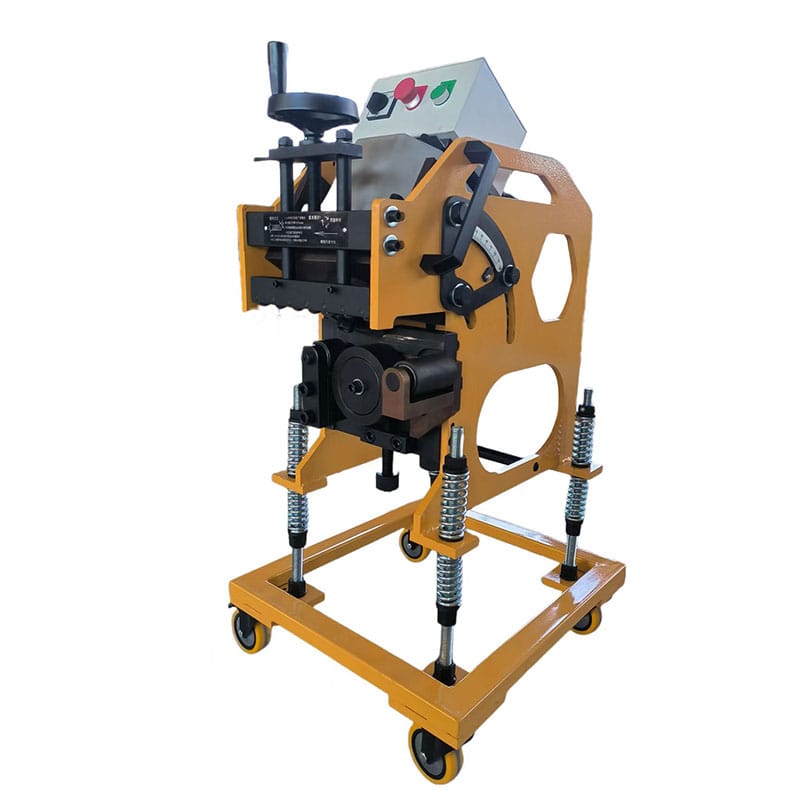
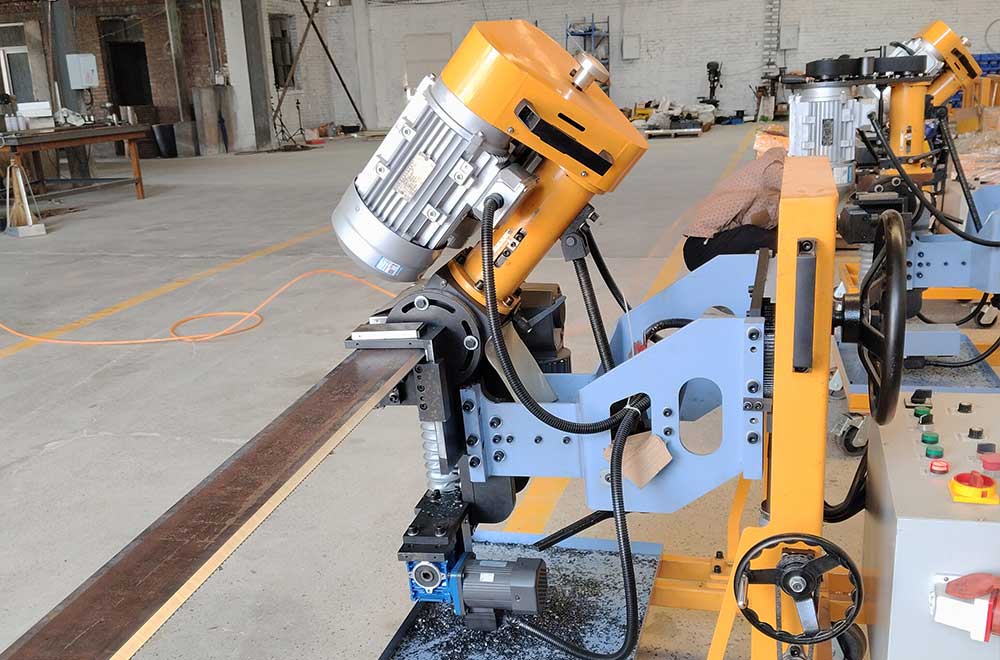
An automatic beveling machine is a precision tool designed to create angled edges on metal sheets, pipes, or plates efficiently. Unlike manual beveling methods, these machines use automated systems to achieve consistent, high-quality bevels. Automatic beveling machines are essential in industries such as steel fabrication, pipeline construction, and custom metalwork, where precision and speed are critical.
There are various types of automatic beveling machines available today, including:
- Portable beveling machines: Ideal for on-site applications and small workshops.
- Stationary industrial beveling machines: Designed for high-volume production.
- Pipe beveling machines: Specifically designed for cylindrical surfaces.
Compared to manual beveling, automatic machines offer better accuracy, faster operation, and improved safety, making them an indispensable asset for manufacturers and workshops.
How Automatic Beveling Machines Work
Automatic beveling machines combine mechanical precision with automated controls to perform beveling tasks with minimal human intervention. The process generally follows these steps:
- Material positioning: The metal sheet or pipe is securely placed on the machine.
- Program selection: Operators choose bevel angles and depth based on project requirements.
- Cutting operation: Rotating cutting heads remove the edge at the set angle.
- Finishing: The beveled edge is inspected for accuracy and smoothness.
Key components of an automatic beveling machine include the cutting head, motorized conveyor, and control system. Modern machines often feature digital interfaces and CNC integration, allowing precise adjustments and automated repetition for consistent results.
The automation reduces human error and ensures uniform bevels, which is crucial for projects where welding or fitting requires exact edge preparation.
Benefits of Using an Automatic Beveling Machine
Using an automatic beveling machine brings multiple advantages to workshops and manufacturing facilities:
- Efficiency: Significantly faster than manual beveling, allowing higher production throughput.
- Precision: Ensures consistent bevel angles and smooth finishes across multiple pieces.
- Safety: Reduces operator exposure to sharp edges and manual cutting hazards.
- Cost Savings: Reduces labor costs and material waste due to errors.
- Versatility: Can handle different metals like steel, aluminum, and stainless steel.
These benefits make beveling machines a valuable investment, improving both quality and productivity.
Applications of Automatic Beveling Machines
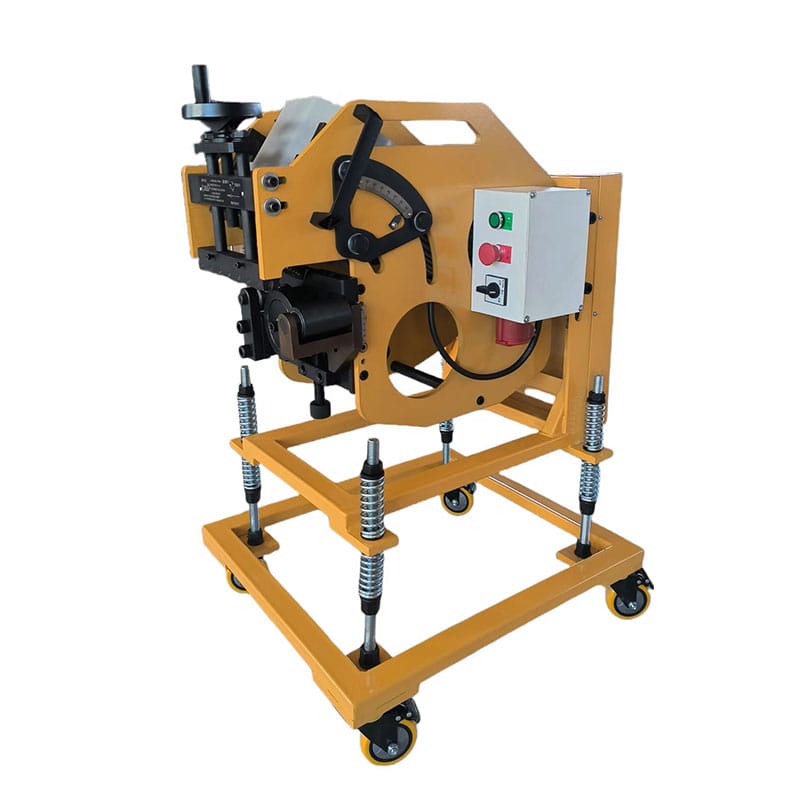
Automatic beveling machines are widely used in various industries and applications:
- Industrial fabrication: Preparing steel plates and components for welding and assembly.
- Pipe manufacturing and pipeline projects: Accurate beveling for cylindrical surfaces ensures proper fit-up for welding.
- Metal furniture and architectural components: Achieving clean, consistent edges for aesthetic and structural purposes.
- Small workshops: Custom metalwork and prototypes benefit from reduced setup time and labor.
The flexibility of these machines allows them to adapt to a range of thicknesses and materials, making them suitable for both large-scale factories and smaller workshops.
How to Choose the Right Automatic Beveling Machine
Selecting the right machine depends on your production needs, materials, and budget. Consider the following factors:
| Feature | Importance | Notes |
|---|---|---|
| Material type | High | Steel, aluminum, stainless steel, or mixed metals |
| Plate or pipe thickness | High | Ensure the machine can handle the required thickness range |
| Production volume | Medium | High-volume operations may require industrial-grade machines |
| Automation level | Medium | CNC or semi-automatic features improve precision and speed |
| Manufacturer support | High | Warranty, service, and spare parts availability |
| Budget | Medium | Balance cost with quality and efficiency |
Buying directly from the manufacturer ensures access to technical support, high-quality components, and machines built to rigorous standards. As a manufacturer ourselves, we ensure that every machine we produce meets industry requirements for accuracy, durability, and ease of use.
Maintenance and Safety Tips
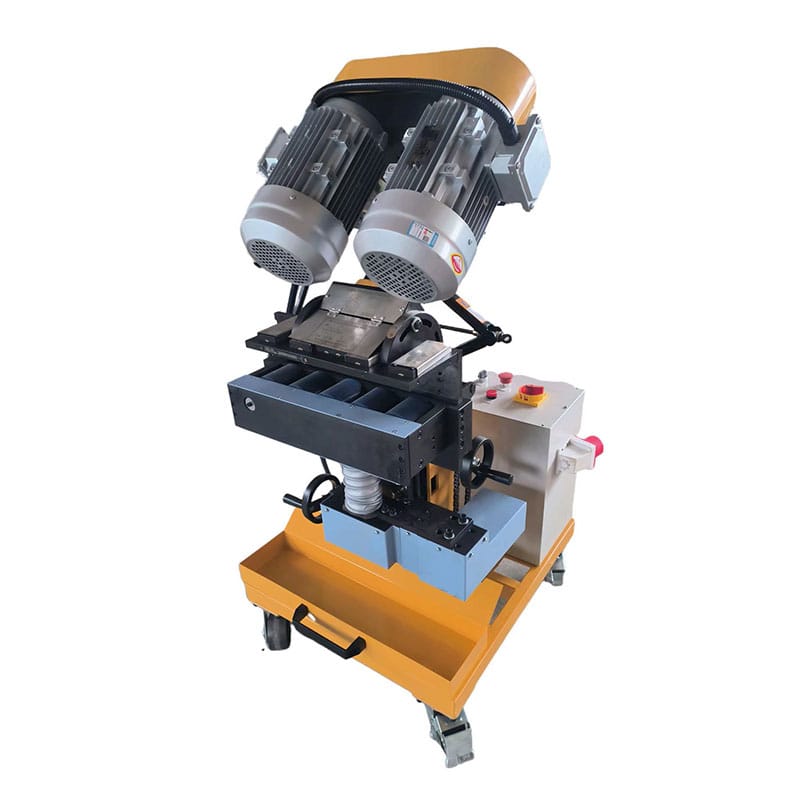
Proper maintenance is critical for the longevity and performance of beveling machines:
- Regular inspection: Check cutting heads, motors, and controls for wear and damage.
- Lubrication: Ensure moving parts are properly lubricated to reduce friction.
- Cleaning: Remove metal chips and dust after each operation to prevent jams.
- Safety protocols: Operators should wear protective gear and follow guidelines to avoid accidents.
Consistent maintenance not only extends the machine’s lifespan but also guarantees reliable and precise operation.
Manufacturer’s Perspective: Building High-Performance Automatic Beveling Machines
As a manufacturer, we focus on quality, precision, and innovation. Our beveling machines are designed with:
- Advanced cutting technology for smooth and consistent bevels.
- Robust mechanical construction to withstand heavy industrial use.
- User-friendly controls with programmable options for various bevel angles.
- After-sales support including installation guidance, training, and spare parts availability.
By choosing machines directly from the manufacturer, buyers ensure they are investing in reliable, high-performance equipment backed by expertise and technical knowledge.
Automatic Beveling Machine Buyer’s Guide
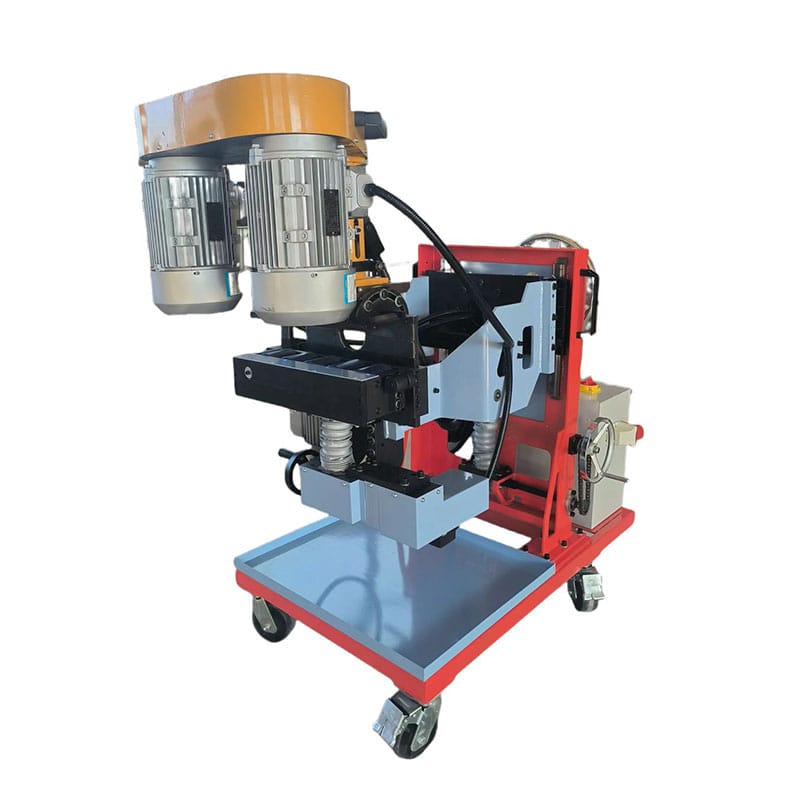
When purchasing an automatic beveling machine, consider the following:
- Price and budget: Higher-quality machines may have a higher upfront cost but offer long-term value.
- Warranty and service: Machines from reputable manufacturers provide technical support and parts replacement.
- Efficiency and lifespan: Evaluate production speed, bevel accuracy, and durability to maximize ROI.
- Training requirements: Some machines come with operator training to optimize usage and safety.
Understanding these factors ensures that your investment aligns with your operational needs and production goals.
Conclusion
Automatic beveling machines are a transformative tool for manufacturers and workshops, offering precision, efficiency, and safety that manual methods cannot match. Choosing the right machine from a trusted manufacturer ensures quality, support, and long-term reliability. By understanding the applications, maintenance requirements, and selection criteria outlined in this guide, businesses can maximize productivity and ROI while achieving professional-grade bevels for every project.
As a manufacturer, we are committed to delivering high-performance automatic beveling machines designed to meet the evolving needs of industrial and small-scale operations. For inquiries or more information about our machines, contact us today to discuss your requirements and explore the best solution for your workshop.
FAQ
Can it handle different metals like steel and aluminum?
Yes. Most industrial-grade automatic beveling machines are designed to handle a variety of metals, including steel, stainless steel, and aluminum, with adjustable cutting speeds and angles.
What is the ideal thickness range for plates?
Machines vary, but standard models typically handle plates from 1 mm to 50 mm. Always check the specifications for your intended materials.
How does it compare with manual beveling in production speed?
Automatic beveling machines are significantly faster, often reducing beveling time by 70–80% compared to manual methods, while ensuring consistent quality.
Is training required for operators?
Basic training is recommended to safely operate the machine and optimize settings. Advanced CNC models may require additional training.