Weld Preparation Checklist for Steel Plate Fabrication is a practical production topic for teams that need to standardize plate preparation before welding. weld preparation checklist should be treated as a controlled manufacturing decision rather than a setting copied from another job. The correct method depends on documents, material, edge geometry, cleanliness, fit-up, inspection, safety, and release.
This guide explains how to plan weld preparation checklist, approve a representative first piece, measure the result, and respond when the process begins to drift. It is written for production engineers, supervisors, quality teams, operators, and buyers who need useful decision criteria instead of unsupported performance claims.
Related Yuanli resources include the weld bevel angle guide and weld root face guide. Use them with the current drawing, procedure, machine manual, and quality plan.
Table of Contents
Understanding Weld Preparation Checklist for Steel Plate Fabrication
weld preparation checklist connects the incoming workpiece, the selected machine or finishing system, the process variables, and the acceptance requirement. A result described only as "good," "clean," or "fast" cannot be reproduced reliably. Convert the goal into dimensions, surface criteria, cleanliness checks, or other measurable evidence.
The business value of weld preparation checklist comes from stable first-pass quality, predictable handling, and clear operator decisions. A faster cycle or more aggressive cut is not an improvement when it creates rework, damages parts, changes a protected feature, or moves variation into the next operation.
Define the Production Requirement
Before starting weld preparation checklist, record the material, dimensions, incoming condition, required result, tolerance, batch or plate size, production volume, and downstream operation. Identify features that must not change and conditions that can affect safe loading, access, separation, or inspection.
The central planning focus is documents, material, edge geometry, cleanliness, fit-up, inspection, safety, and release. Confirm which requirement governs the job and who may approve a change. Where applicable, consult ISO 9692-1 and AWS D1.1 information, while recognizing that project documents and local rules control the work.
Control the Main Variables
Effective weld preparation checklist depends on interacting variables. The primary controls for this application are drawing and WPS, material identity, bevel geometry, root opening, surface cleanliness. Changing several variables at once makes cause and effect difficult to understand, so establish a baseline and adjust one factor at a time.
| Variable | Why it matters | What to record |
|---|---|---|
| drawing and WPS | Influences geometry, contact, or process intensity | Target, actual condition, and approval for drawing and WPS |
| material identity | Influences repeatability, handling, or inspection | Target, actual condition, and approval for material identity |
| bevel geometry | Influences geometry, contact, or process intensity | Target, actual condition, and approval for bevel geometry |
| root opening | Influences repeatability, handling, or inspection | Target, actual condition, and approval for root opening |
| surface cleanliness | Influences geometry, contact, or process intensity | Target, actual condition, and approval for surface cleanliness |
For weld preparation checklist, the control record should show the actual setup rather than only a nominal machine value. Include the relevant material condition, tooling or media identification, load or support arrangement, settings, measurement method, and operator.
Build a Repeatable First-Piece Workflow
Use a documented first-piece workflow whenever weld preparation checklist is introduced for a new part, plate, material, thickness, geometry, or finish requirement. A representative trial is more valuable than an unusually clean sample that avoids normal production difficulties.
- Verify the latest drawing, specification, material, units, and process orientation.
- Inspect the incoming condition and clean the approved datum or contact surfaces.
- Confirm machine capacity, guards, tooling or media, support, and utilities.
- Run a short, conservative weld preparation checklist trial using documented settings.
- Stop safely, clean without altering the result, and inspect every controlling feature.
- Change one verified variable if correction is required, then repeat the trial.
- Record the accepted recipe and release production only after first-piece approval.
Reapprove weld preparation checklist after a tool or media change, maintenance, impact, abnormal noise, loss of guide contact, material change, major load change, new compound, or revised acceptance requirement. These triggers prevent an old recipe from being used outside the conditions in which it was validated.
Evaluate Equipment and Consumables
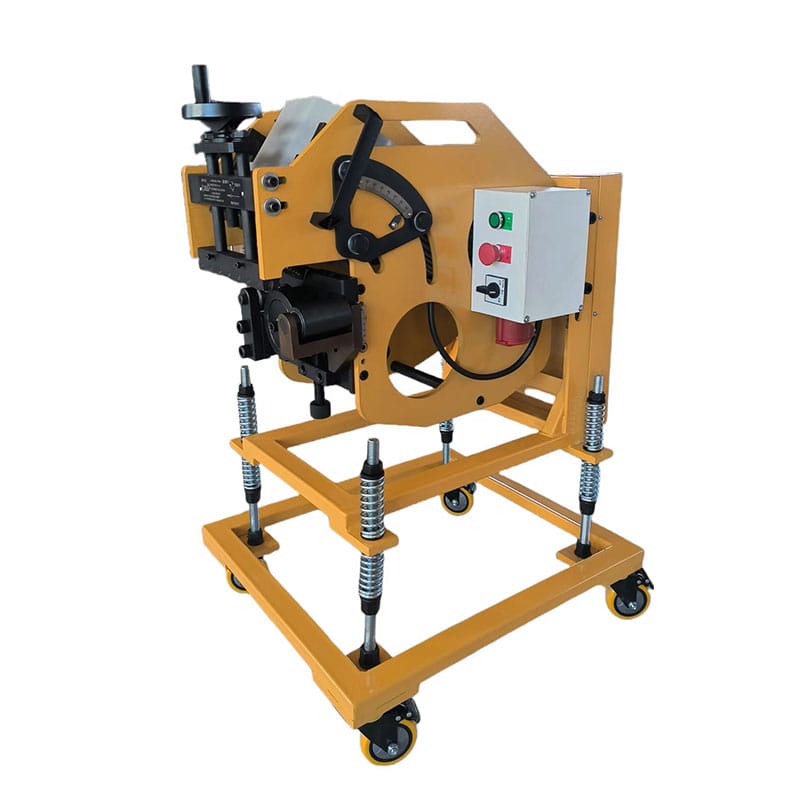
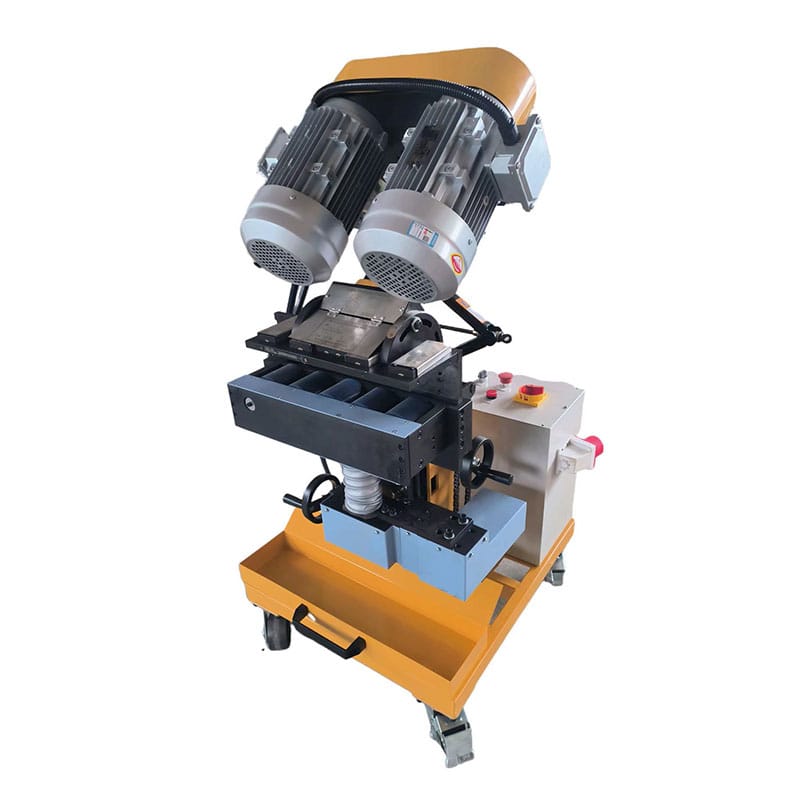
Equipment for weld preparation checklist should be evaluated against the complete working envelope: material, part or plate size, usable load, groove or finish requirement, tooling or media options, pass or cycle plan, handling, utilities, changeover, cleaning, inspection access, maintenance, and operator safety.
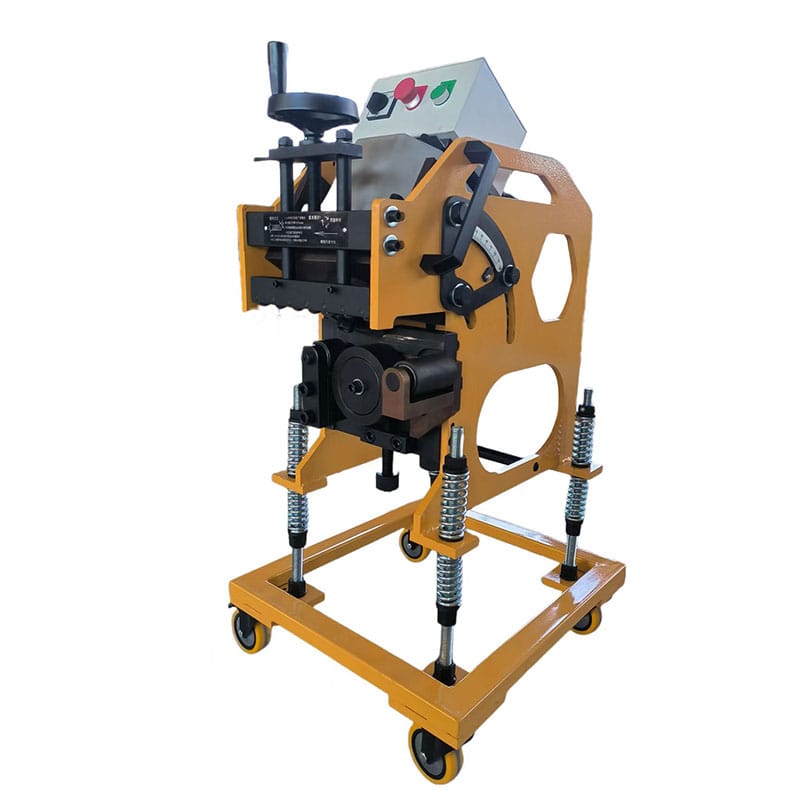
Review Yuanli’s beveling equipment range, then provide an actual application description instead of choosing from one headline specification. weld preparation checklist capacity must be confirmed under the expected production conditions, not inferred from an isolated maximum value.
Inspect the Result
Inspection for weld preparation checklist needs a defined method, suitable tools, agreed sampling locations, and a reaction plan. Measure the positions most likely to reveal variation, including starts, stops, recesses, long travel sections, shielded areas, or locations affected by support and handling.
Separate incoming variation from process variation. Record the condition before weld preparation checklist, inspect the processed result, and verify any later assembly, cleaning, or handling step that can change the evidence. Use TWI butt-weld design guidance for relevant technical context without replacing the job specification.
Compare Process Choices
A useful process comparison considers quality, control, handling, and total production effort together. The table below prevents a decision based on one attractive feature while ignoring inspection or rework.
| Decision factor | Controlled approach | Uncontrolled shortcut |
|---|---|---|
| Requirement | Measured result tied to the drawing or finish specification | Visual judgment without an acceptance rule |
| Setup | Recorded tooling, media, load, datum, and settings | Settings copied from a different job |
| Trial | Representative first piece with approved inspection | Immediate full-batch production |
| Change | One variable adjusted against a defined symptom | Several settings changed together |
| Release | Actual readings and traceable approval | Pass/fail without evidence |
weld preparation checklist should be selected on the basis of the complete production system. Labor, safe handling, separation, cleaning, inspection, maintenance, and rework can outweigh a small difference in nominal machining or cycle time.
Troubleshoot Common Problems
When the process becomes unstable, define the symptom before changing settings. Typical problems for this topic include wrong revision, incorrect land, contamination, misalignment. Record where the condition appears, its direction or pattern, when it began, and whether it follows a material, tool, media, load, operator, or maintenance change.
| Observed problem | Likely areas to check | Controlled response |
|---|---|---|
| wrong revision | drawing and WPS, incoming condition, and inspection method | Stop, preserve evidence, verify the cause, and adjust one approved variable |
| incorrect land | material identity, incoming condition, and inspection method | Stop, preserve evidence, verify the cause, and adjust one approved variable |
| contamination | bevel geometry, incoming condition, and inspection method | Stop, preserve evidence, verify the cause, and adjust one approved variable |
| misalignment | root opening, incoming condition, and inspection method | Stop, preserve evidence, verify the cause, and adjust one approved variable |
Preserve failed samples or measurement locations long enough to compare them with the corrected weld preparation checklist result. Do not grind, polish, clean, or rework away the evidence before the responsible team understands whether the cause is input material, setup, equipment, consumables, handling, or inspection.
Plan Safety and Maintenance
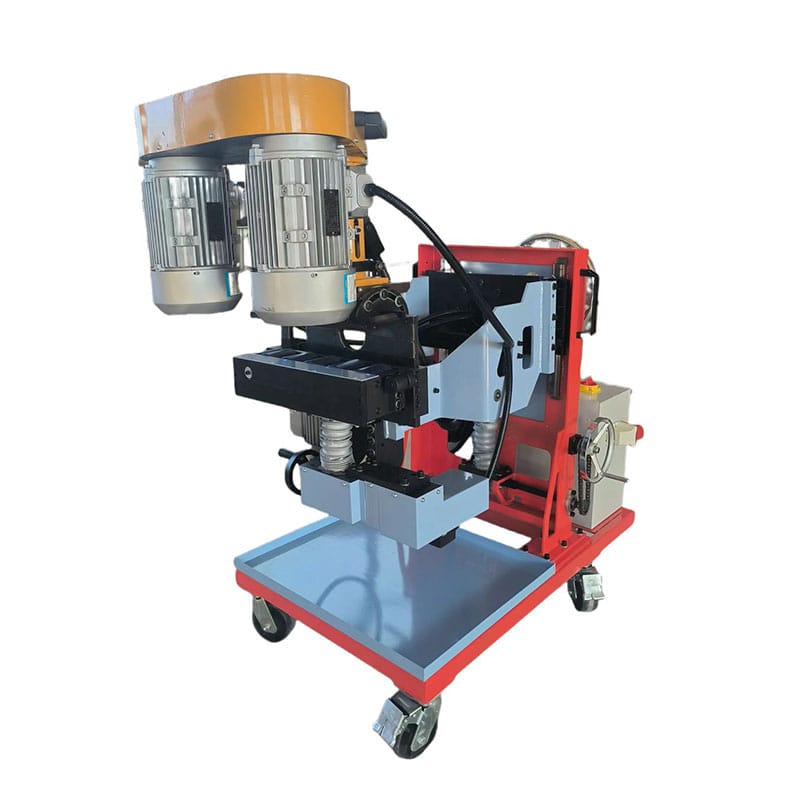
weld preparation checklist may involve rotating machinery, heavy workpieces, sharp edges, chips, dust, chemicals, noise, or stored energy. Follow the machine manual, guarding, lifting, PPE, housekeeping, and energy-isolation procedures. Operators must know which checks they may perform and which tasks require qualified maintenance personnel.
Consult OSHA machinery requirements as an authoritative safety reference while following local law and facility rules. A production improvement never justifies bypassing a guard, reaching into moving equipment, clearing a jam without isolation, or using an unapproved chemical.
Document Settings and Changes
A useful production record includes job and workpiece identification, material, dimensions, incoming condition, machine, tooling or media, compound or lubricant where applicable, settings, cycle or pass data, inspection results, operator, date, and corrective action.
Trend repeated exceptions by symptom and verified cause. Records can reveal whether variation follows drawing and WPS, material identity, bevel geometry, root opening, surface cleanliness, a maintenance event, a supplier change, or an inspection method. Actual values provide more warning than a simple pass/fail mark.
Frequently Asked Questions
What is the first step in weld preparation checklist?
Start weld preparation checklist with the latest requirements and a representative incoming workpiece. Define the measurable result before selecting settings.
How should weld preparation checklist be tested?
Use a controlled first-piece trial, keep other variables stable, inspect every required feature, and record the actual weld preparation checklist result.
Why does weld preparation checklist vary between batches?
Variation can follow incoming condition, drawing and WPS, material identity, bevel geometry, machine condition, handling, or inspection. Diagnose the pattern before changing the recipe.
When should weld preparation checklist be reapproved?
Reapprove weld preparation checklist after any change that can affect geometry, finish, cleanliness, handling, or safety, including maintenance and consumable replacement.
What information should a supplier receive?
Provide material, dimensions, drawings or finish criteria, tolerances, production volume, current process, known problems, and safe handling conditions for weld preparation checklist.
Apply the Process to Production
A reliable weld preparation checklist process begins with a clear requirement, representative trial, controlled variables, measurable inspection, and documented reaction plan. The method should solve the production problem while protecting the workpiece, operator, downstream process, and engineering intent.
For an application review, contact Yuanli with the material, dimensions, required result, tolerance, production volume, and current difficulty. These details allow weld preparation checklist to be evaluated without inventing performance data, prices, certifications, or guarantees.