Table of Contents
Introduction
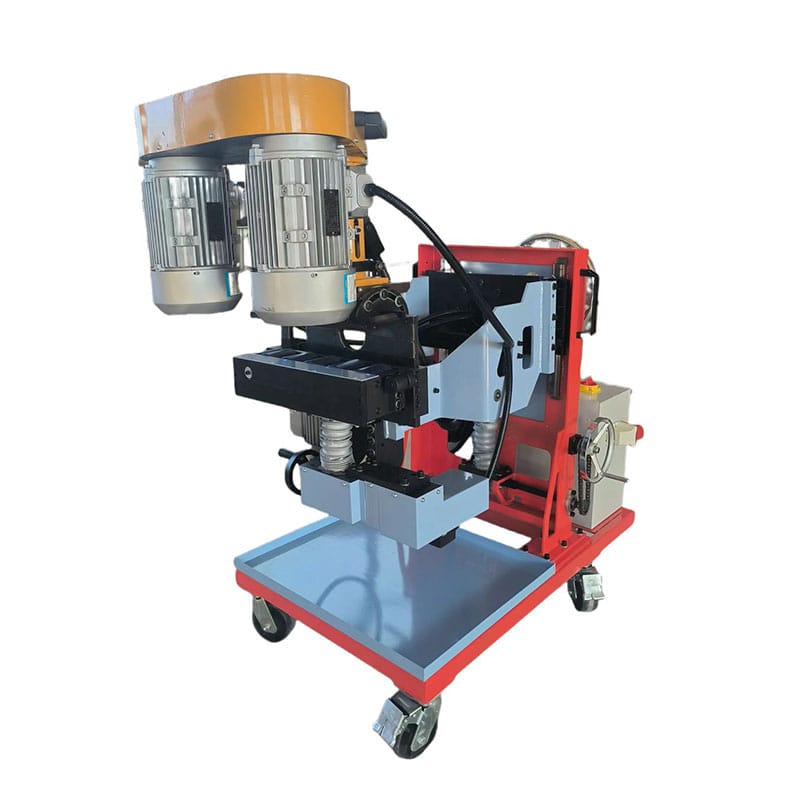
A sheet metal beveling machine is an essential tool for any workshop or industrial facility that works with metal fabrication. Beveling is the process of cutting a precise angle on the edge of sheet metal, which is crucial for welding, assembling, and finishing metal products. By using a sheet metal beveling machine, manufacturers can achieve consistent edge quality, reduce manual labor, and enhance overall production efficiency.
These machines are widely used in various industries, including automotive, shipbuilding, construction, and metal furniture production. Whether you operate a small workshop or a large-scale manufacturing plant, choosing the right beveling machine can make a significant difference in your workflow and product quality.
Key Features of a High-Quality Sheet Beveling Machine
When selecting a sheet beveling machine, certain features are critical to ensure precision, safety, and productivity:
- Cutting Precision and Angle Accuracy: High-quality machines maintain exact bevel angles, minimizing rework and ensuring perfect weld-ready edges.
- Material Compatibility: A good beveling machine can handle multiple metals such as steel, stainless steel, aluminum, and brass.
- Automation and CNC Capabilities: CNC or fully automatic beveling machines increase efficiency for high-volume production while reducing human error.
- Safety Features: Features like emergency stops, protective shields, and automatic shut-off systems protect operators during operation.
Types of Sheet Metal Beveling Machines
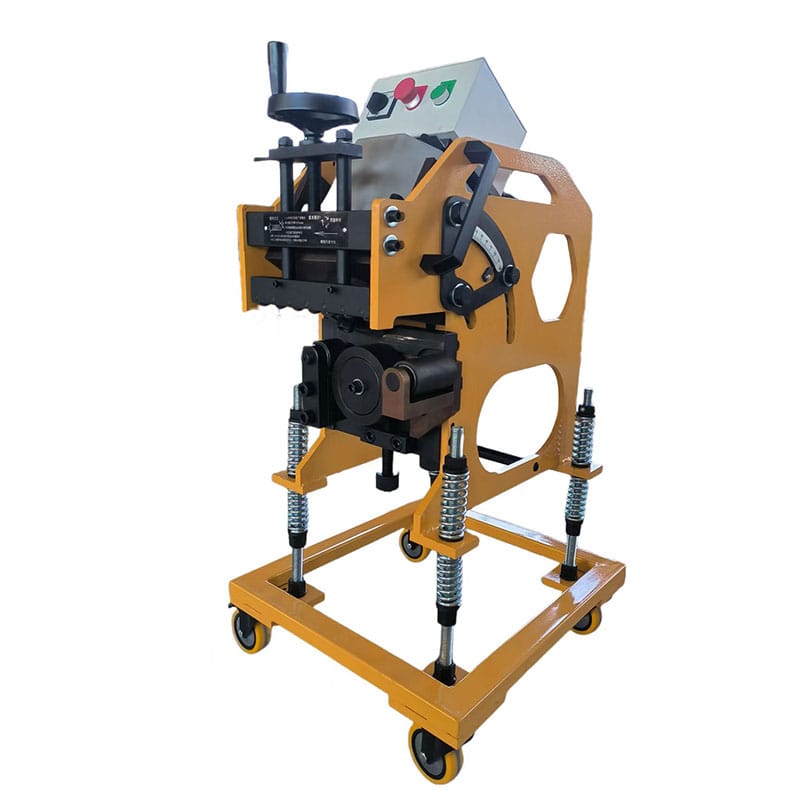
Understanding the types of beveling machines can help you select the right one for your needs:
- Manual Beveling Machines: Ideal for small workshops or low-volume operations, offering basic beveling with operator control.
- Semi-Automatic Beveling Machines: Suitable for medium-scale production, providing a balance between manual control and automation.
- Fully Automatic/CNC Sheet Metal Beveling Machines: Best for large-scale industrial operations, offering precision, speed, and programmability.
- Portable Beveling Machines: Lightweight and compact, perfect for on-site work and limited space workshops.
Benefits of Using a Sheet Metal Beveling Machine
Investing in a sheet beveling machine brings multiple advantages:
- Improved Edge Quality and Precision: Produces clean, accurate edges ready for welding or assembly.
- Reduced Labor and Production Time: Automation decreases manual work and speeds up the beveling process.
- Enhanced Efficiency for High-Volume Operations: Ideal for industrial workshops dealing with large metal sheets daily.
- Comparison with Traditional Grinding: Unlike grinding or hand beveling, these machines ensure uniformity and minimal material wastage.
How to Select the Right Sheet Metal Beveling Machine for Your Workshop
To choose the best machine, consider these factors:
- Assessing Production Volume and Metal Thickness: Higher volume operations require automated or CNC machines, while small tasks may only need a manual model.
- Budget Considerations and Cost-Effectiveness: Evaluate initial investment versus long-term efficiency and maintenance costs.
- Space and Installation Requirements: Ensure your workshop has adequate space and structural support for the machine.
- Maintenance and After-Sales Support: Reliable manufacturers provide training, spare parts, and technical support to maximize machine longevity.
Common Mistakes to Avoid When Using Sheet Beveling Machines
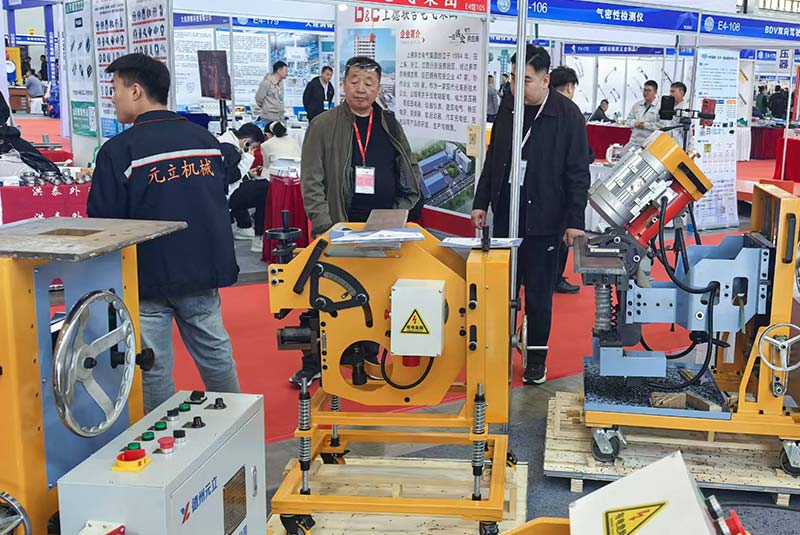
Avoiding common mistakes ensures optimal performance and safety:
- Incorrect Angle Settings: Always calibrate the machine according to metal thickness and desired bevel angle.
- Using the Wrong Material Feed Speed: Improper feed can result in uneven cuts or machine strain.
- Ignoring Maintenance Schedules: Regular lubrication, cleaning, and inspection extend machine life.
- Overloading the Machine: Exceeding recommended material thickness or speed may cause damage and reduce precision.
Comparing Sheet Metal Beveling Machines with Other Metalworking Tools
A comparison table helps illustrate the differences between common edge-finishing methods:
| Tool / Machine | Precision | Speed | Material Compatibility | Best Use Case |
|---|---|---|---|---|
| Manual Grinder | Medium | Slow | Low to Medium | Small tasks, simple bevels |
| Milling Machine | High | Medium | Metal sheets | Complex bevels, precision parts |
| CNC Beveling Machine | Very High | Fast | Steel, Aluminum, Stainless Steel | High-volume industrial production |
| Hand Beveling Tools | Low | Very Slow | Thin metals | Quick repairs, on-site adjustments |
From this comparison, it is clear that a CNC or fully automatic sheet beveling machine offers the best combination of precision, speed, and versatility, making it ideal for professional workshops.
Tips from Manufacturers: Maximizing Your Sheet Metal Beveling Machine’s Efficiency
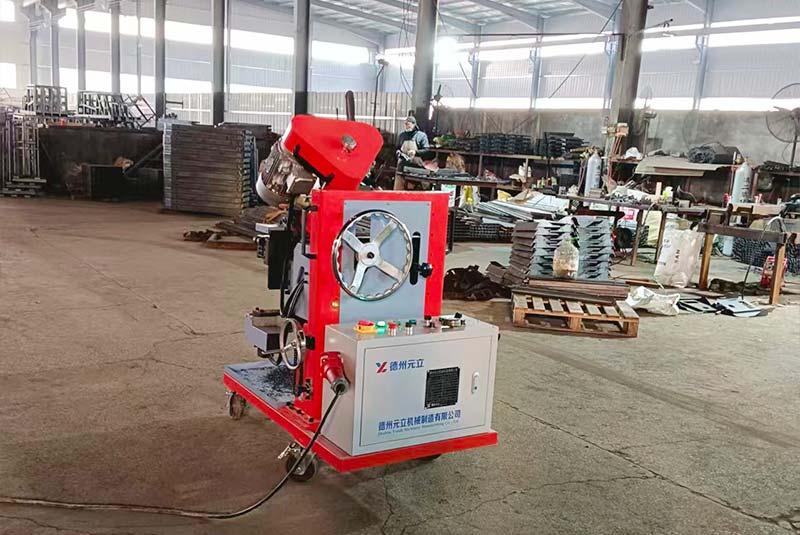
As a manufacturer of sheet metal beveling machines, we recommend the following best practices:
- Operator Training and Best Practices: Skilled operators ensure consistent results and reduce errors.
- Regular Maintenance Tips: Check moving parts, sharpen blades, and maintain lubrication schedules.
- Upgrading Components for Precision: Consider CNC control modules, advanced clamping systems, or enhanced blades.
- Safety Checks and Operational Protocols: Always follow manufacturer guidelines to prevent accidents.
Conclusion
Choosing the right sheet metal beveling machine is critical for any workshop or industrial facility. By understanding the types, features, and applications of these machines, you can improve production efficiency, maintain high-quality standards, and reduce labor costs.
As a manufacturer, we emphasize the importance of investing in reliable, high-precision machines that meet your workshop’s specific needs. Selecting the right sheet metal beveling machine not only enhances productivity but also ensures long-term operational success.
FAQ
1. What is a sheet metal beveling machine?
A sheet metal beveling machine is a tool designed to cut precise angles on the edges of metal sheets, improving weld quality and edge finishing.
2. What types of sheet metal beveling machines are available?
Common types include manual, semi-automatic, fully automatic, CNC, and portable beveling machines for various workshop needs.
3. How do I choose the right sheet metal beveling machine for my workshop?
Consider production volume, metal thickness, automation level, budget, and space requirements when selecting a machine.
4. What metals can a sheet metal beveling machine handle?
These machines typically work with steel, stainless steel, aluminum, and other metal alloys suitable for welding and fabrication.
5. What are the benefits of using a sheet metal beveling machine?
They improve edge precision, reduce manual labor, save production time, and ensure consistent quality for industrial applications.