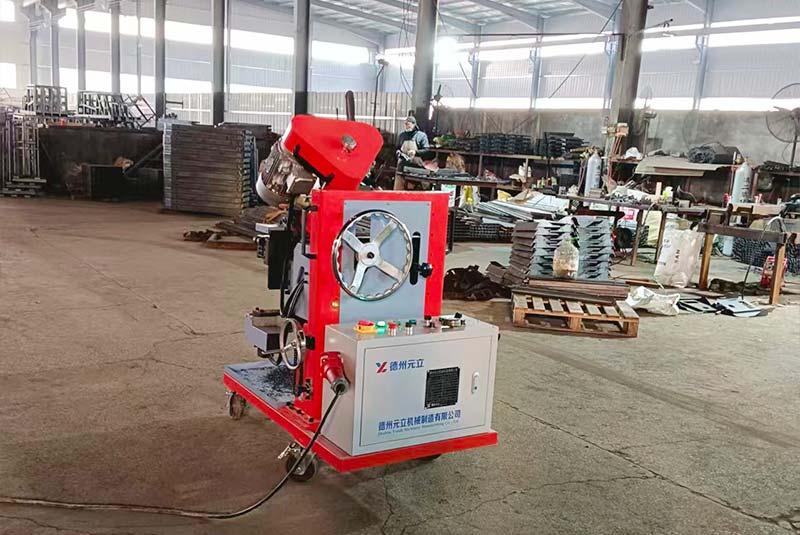
A beveling machine prepares a clean angled edge on metal before welding, coating, or assembly. For steel fabrication shops, the right beveling machine helps control weld groove quality, reduce manual grinding, and keep plate preparation consistent from one job to the next.
This guide explains how to choose a beveling machine for plate and structural steel work, when to use portable or automatic models, and what to ask suppliers before buying. It also links to useful product pages, technical references, and selection checkpoints so buyers can compare options with less guesswork.
What Is a Beveling Machine?
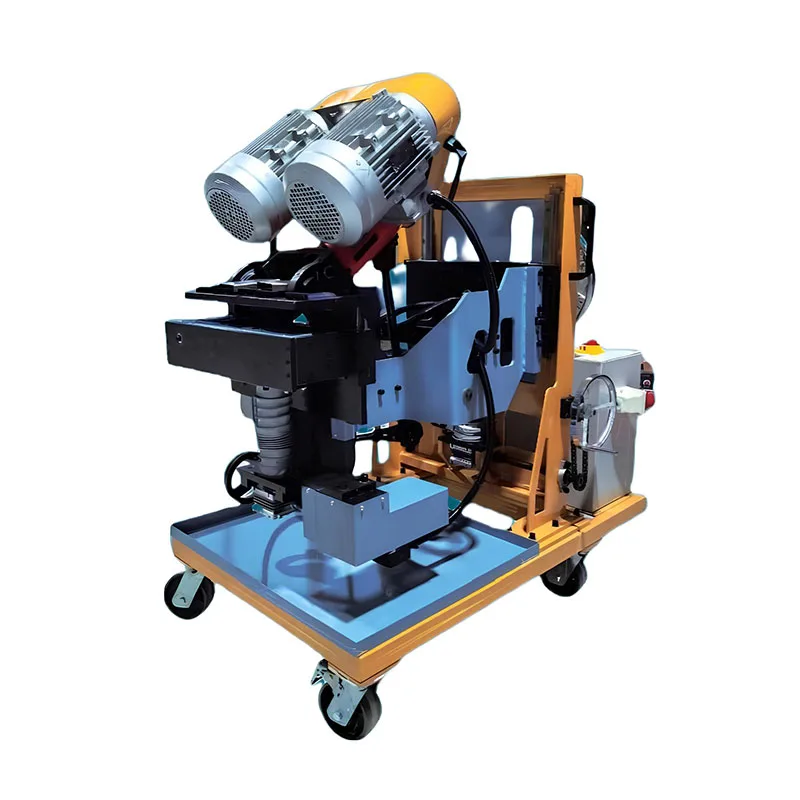
A beveling machine is industrial equipment that cuts, mills, or machines an angled edge on metal. The bevel is commonly used to prepare a weld groove, remove sharp edges, or create a repeatable edge profile before downstream processing.
In welding work, edge preparation affects fit-up, penetration, inspection quality, and rework. A well-selected beveling machine can replace slow hand grinding with a more stable process. For general background on bevel geometry, see the bevel definition; for the joining process itself, the welding overview is also useful.
For Yuanli equipment options, start with the edge preparation category or compare all industrial equipment products.
Why Plate Edge Preparation Matters
Plate edge preparation is not just a cosmetic step. If the groove is uneven, welders may need extra passes or more grinding. If the edge is overheated by thermal cutting, the surface may require additional cleaning before welding. A plate beveling machine can help keep the angle, width, and surface finish predictable.
For many workshops, a beveling machine is valuable because it supports repeatability. Operators can prepare carbon steel, stainless steel, and other common metal plates with fewer manual variations. In heavy fabrication, shipbuilding, pressure vessel work, and structural steel, that repeatability can save time across the whole production flow.
Common Types of Plate Edge Equipment
| Type | Best For | Main Advantage | Selection Note |
|---|---|---|---|
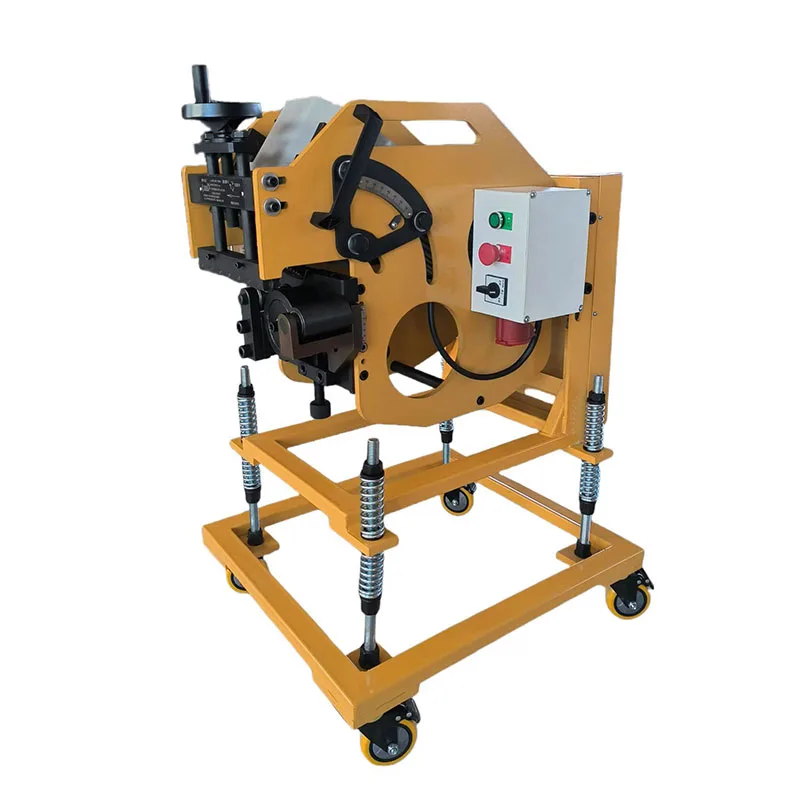
| Portable beveler | Field work and large fixed parts | Flexible movement | Check clamping stability and bevel width |
| Stationary plate model | Batch plate processing | Stable edge quality | Confirm plate thickness and feeding method |
| Automatic model | Repeated production runs | Less manual handling | Match speed to daily output |
| CNC or programmable model | Frequent parameter changes | Repeatable control | Review control system and operator training |
Portable Models
A portable beveling machine is useful when the workpiece is too large to move easily. It is often selected for maintenance work, on-site fabrication, or lower-volume jobs where flexibility matters more than continuous line speed.
Stationary Plate Models
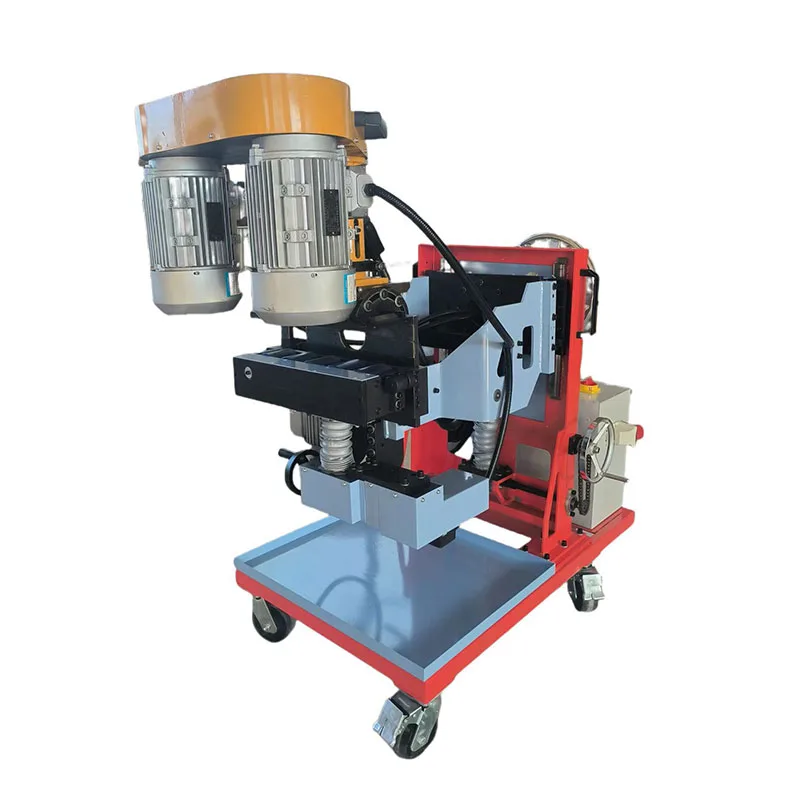
A stationary plate beveling machine is a better fit for workshops that process long plate edges every day. It normally offers stronger rigidity and more consistent results than handheld grinding. For example, buyers can review the YL-PK95 Beveling Machine when comparing plate preparation options.
Automatic Models
An automatic beveling machine helps reduce operator fatigue and supports more consistent output. It can be a strong choice for repeated plate specifications, especially when production teams need stable bevel angles and predictable daily throughput.
Cold Beveling vs. Thermal Cutting
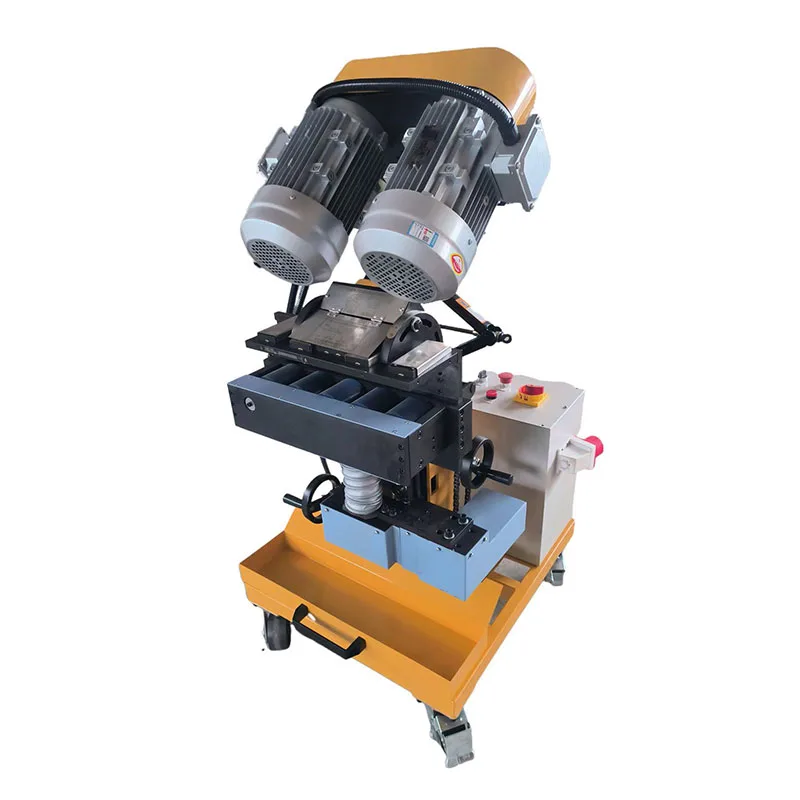
Cold beveling removes material mechanically, usually by milling or cutting tools. Compared with flame or plasma cutting, it can reduce heat-affected edge problems and leave a cleaner surface for welding preparation. The best choice still depends on plate thickness, speed needs, and final weld requirements.
For technical context on joint preparation, buyers can review ISO 9692 welding joint preparation information. General welding safety and training resources from the American Welding Society are also helpful when building a fabrication process.
How to Choose the Right Beveling Machine
Before choosing a beveling machine, define the real production task. The same shop may need a compact beveler for repair work and a heavier plate machine for daily production. Use these checkpoints before requesting a quote:
- Plate material, including carbon steel, stainless steel, aluminum, or alloy steel
- Minimum and maximum plate thickness
- Required bevel angle and bevel width
- Daily production volume and shift pattern
- Edge finish requirements before welding
- Available operator skill and training needs
- Tooling life, spare parts, and maintenance access
A practical beveling machine choice should reduce grinding without creating new bottlenecks. If your team needs a higher-output plate solution, compare the YL-PKFZ95 Beveling Machine with the YL-FZ900 Beveling Machine and ask which model matches your thickness range.
Supplier Questions Before Buying
When comparing manufacturers or suppliers, ask questions that connect directly to your workpieces. A supplier should not only quote an equipment price; they should explain why a model fits your material, plate size, edge requirement, and production rhythm.
- What plate thickness range is recommended for this model?
- What is the maximum bevel width in one pass?
- Can the machine support adjustable angles?
- Which cutters or milling inserts are required?
- Can the supplier provide sample processing or test videos?
- How quickly are spare parts available?
- What operator training is included?
Machine safety should also be reviewed. For general machinery safety guidance, see OSHA machine guarding resources. For welding procedure and quality topics, the TWI welding knowledge base provides useful technical background.
Internal Resources for Buyers
If you are shortlisting equipment, use the site resources below to move from research to specification:
- Browse the plate edge preparation product category.
- Review all products for beveling and polishing workflows.
- Check case studies for application ideas.
- Contact the team through Contact Us for material and plate-size matching.
- Read more equipment notes on the blog.
FAQ
What does a beveling machine do?
It creates an angled edge on metal so the part is easier to weld, assemble, or finish. In plate fabrication, this process helps make edge preparation more repeatable than manual grinding.
Is cold beveling better than flame cutting?
Cold beveling can produce a cleaner machined edge and avoid heat-affected edge changes. Flame cutting may still be fast for rough work, but it often needs grinding before welding.
How do I choose a plate beveler?
Start with plate thickness, material, bevel angle, bevel width, and daily production volume. Then compare machine rigidity, tooling cost, automation level, and supplier support.
Do I need an automatic model?
An automatic model is worth considering when you process similar plates often and want lower labor intensity. For occasional repairs, a portable model may be enough.
Conclusion
The right beveling machine should match your material, plate thickness, bevel angle, and production volume. For steel plate preparation, a stable edge process improves weld fit-up, reduces manual grinding, and gives operators more predictable results.
Before buying, compare technical specifications, review sample processing, and ask the supplier to recommend equipment based on real workpieces instead of general catalog claims.