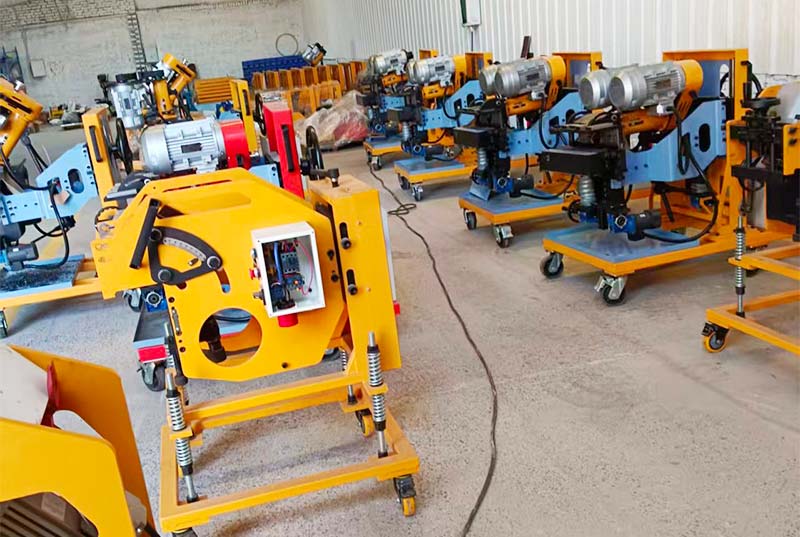
In modern steel fabrication, welding quality starts long before the welding torch touches the metal. One of the most important preparation steps is edge beveling. A clean, accurate, and consistent bevel helps improve weld penetration, reduce rework, and make production more efficient. This is why plate beveling machines have become essential equipment for steel structure factories, shipyards, pressure vessel manufacturers, pipeline projects, and heavy machinery workshops.
As a manufacturer of plate beveling machines, we understand that many buyers are not only looking for a machine, but also looking for a reliable solution that can match their plate thickness, bevel angle, production volume, material type, and long-term fabrication needs. Choosing the right machine can directly affect welding quality, labor cost, production speed, and project delivery time.
This guide explains what plate beveling machines are, how they work, where they are used, and how to choose the right model for your steel fabrication business.
Table of Contents
What Are Plate Beveling Machines?
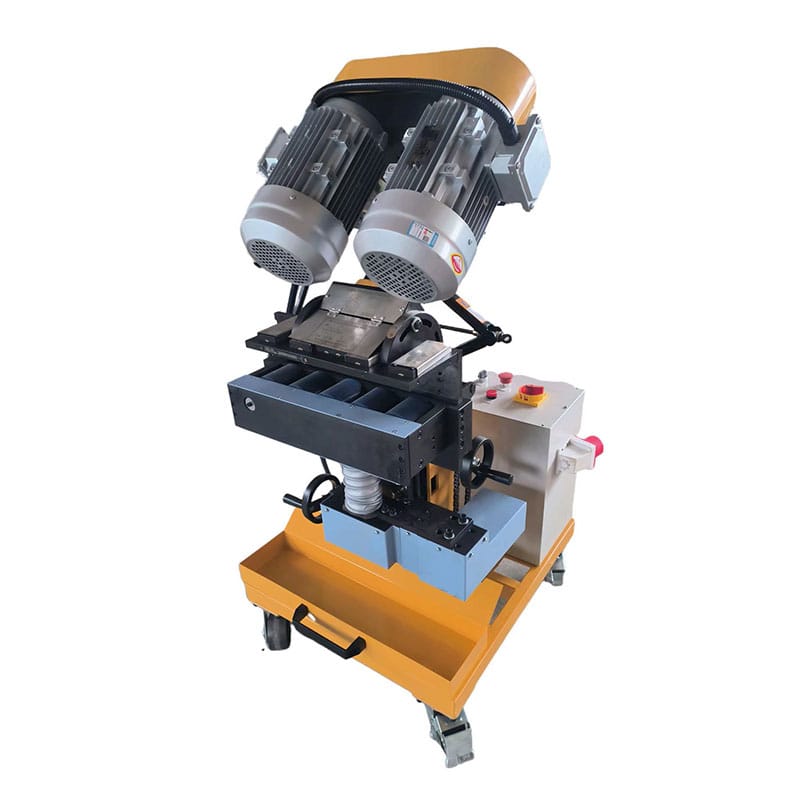
Plate beveling machines are industrial machines used to process the edge of metal plates before welding or assembly. They remove material from the plate edge to create a specific angle, chamfer, or groove. This prepared edge allows two metal plates to be joined more effectively during welding.
In steel fabrication, plate beveling is commonly used before full penetration welding, structural welding, tank welding, bridge construction, and heavy-duty assembly work. Compared with manual grinding or flame cutting, a steel plate beveling machine can provide better edge consistency, higher efficiency, and more stable processing quality.
Plate beveling machines may also be called:
- plate edge beveling machine
- steel plate beveling machine
- metal plate beveling equipment
- plate chamfering machine
- welding bevel preparation machine
- plate edge milling machine
- automatic plate beveling machine
- portable plate beveling machine
Although these names may vary, the main purpose is the same: to prepare metal plate edges for stronger, cleaner, and more reliable welding.
Why Plate Beveling Matters in Steel Fabrication
A welding joint is only as good as its preparation. If the plate edge is uneven, rough, or inaccurate, the welding process may require more filler material, more grinding, and more inspection work. In some cases, poor beveling can lead to weak welds, lack of fusion, porosity, or welding deformation.
Using plate beveling machines helps manufacturers improve welding preparation in several ways. First, the machine can create a uniform bevel angle along the entire plate edge. Second, it reduces human error caused by manual grinding. Third, it improves production repeatability, especially for batch processing. Finally, it supports higher-quality welding results in industries where structural safety is critical.
For steel structure manufacturers, shipyards, and pressure vessel workshops, beveling is not just a simple edge treatment. It is an important part of the complete welding preparation process.
Main Types of Plate Beveling Machines
Different fabrication projects require different beveling solutions. Before choosing equipment, it is important to understand the main types of plate beveling machines available on the market.
Portable Plate Beveling Machines
Portable plate beveling machines are compact and flexible. They are suitable for on-site construction, repair work, small-batch processing, and projects where the steel plate is difficult to move.
These machines are often used in field installation, pipeline projects, ship repair, and maintenance workshops. Their biggest advantage is mobility. Operators can bring the machine directly to the workpiece instead of moving large plates to a fixed production line.
Automatic Plate Beveling Machines
Automatic plate beveling machines are designed for higher productivity. They usually include automatic feeding, stable clamping, adjustable bevel angles, and continuous processing capability.
For factories that process many steel plates every day, an automatic plate beveling machine can reduce labor intensity and improve production consistency. It is a practical choice for steel structure fabrication, equipment manufacturing, bridge components, and pressure vessel production.
CNC Plate Beveling Machines
CNC plate beveling machines are suitable for projects that require higher accuracy, complex processing, or repeatable production programs. With CNC control, the machine can help operators achieve more stable processing results and reduce setup errors.
These machines are often used in advanced metal fabrication plants, heavy machinery manufacturing, and industries with strict requirements for weld preparation quality.
Heavy Duty Plate Beveling Machines
Heavy duty plate beveling machines are designed for thick steel plates and demanding industrial applications. They are commonly used in shipbuilding, offshore engineering, pressure vessel manufacturing, large steel structures, and heavy machinery production.
A heavy duty plate beveling machine usually has a stronger frame, more powerful motor, stable transmission system, and better cutting capacity. For manufacturers processing thick carbon steel, stainless steel, or alloy steel plates, this type of equipment is often the most reliable solution.
How Plate Beveling Machines Work
Plate beveling machines usually process metal plate edges through milling, cutting, or chamfering. The machine removes a controlled amount of material from the edge of the plate and forms the required bevel angle.
The basic working process usually includes plate positioning, clamping or feeding, cutting adjustment, bevel processing, and final inspection. Depending on the machine model, the operator may adjust the bevel angle, cutting depth, feed speed, and processing direction.
Common bevel types include V bevel, X bevel, K bevel, Y bevel, and single-sided bevel. The selection depends on the welding method, plate thickness, joint design, and project standard.
For example, a thin steel plate may only need a simple single-side bevel. A thick steel plate used in pressure vessels or bridge structures may require a deeper bevel or double-side bevel to ensure proper weld penetration.
Key Benefits of Using Plate Beveling Machines
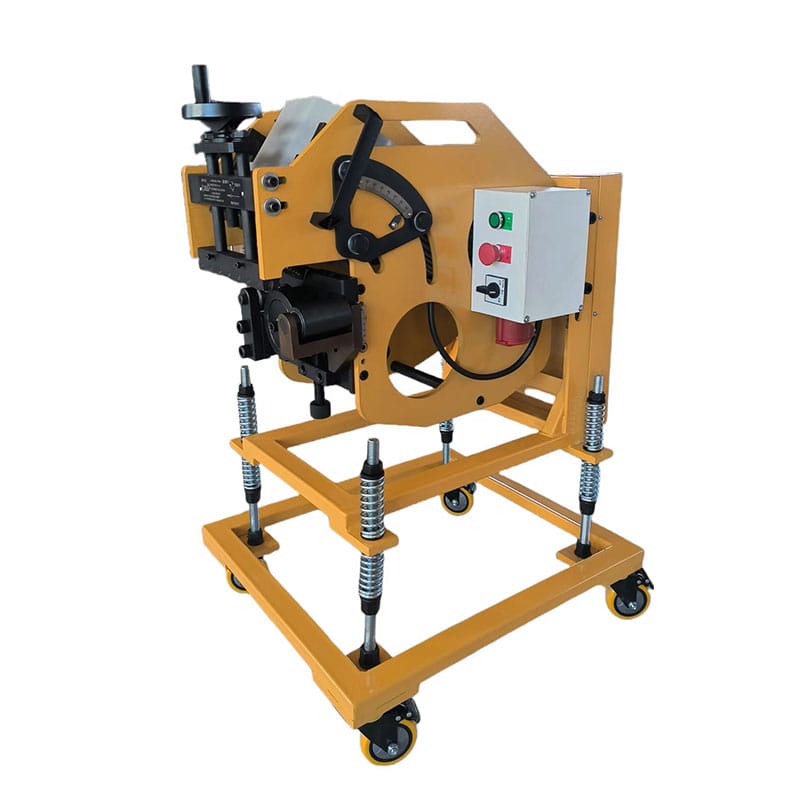
Using plate beveling machines brings clear advantages for fabrication workshops and industrial manufacturers.
Better Welding Preparation
A plate beveling machine creates a cleaner and more accurate edge than manual grinding. This helps welders achieve better weld penetration and more stable weld quality. A consistent bevel also makes it easier to control the welding gap and filler material.
Higher Production Efficiency
Manual beveling is slow and depends heavily on operator skill. Flame cutting may be fast, but it often leaves a rough edge that requires secondary grinding. Mechanical beveling can reduce unnecessary rework and shorten preparation time before welding.
For manufacturers handling large production orders, automatic plate beveling machines can significantly improve workflow efficiency.
Improved Edge Quality
A smooth bevel surface can improve fit-up accuracy and reduce welding defects. Mechanical cutting also helps avoid excessive heat-affected zones, which may occur when using flame cutting or plasma cutting.
This is especially important for stainless steel plates, pressure vessel plates, and high-strength steel materials.
Lower Labor Intensity
Traditional beveling methods often require heavy manual grinding, repeated adjustment, and high physical effort. Plate beveling machines reduce the burden on operators and help factories build a safer and more efficient production environment.
More Stable Batch Production
For B2B manufacturers, repeatability matters. When every plate needs the same bevel angle and edge quality, machine beveling is more reliable than manual processing. It helps maintain stable quality across multiple orders and long-term production.
Applications of Plate Beveling Machines in Different Industries
Plate beveling machines are widely used in industries where metal plates need to be welded, assembled, or structurally connected.
| Industry | Common Applications | Recommended Machine Type |
|---|---|---|
| Steel structure fabrication | Steel beams, columns, bridge parts, building frames | Automatic plate beveling machine, heavy duty plate beveling machine |
| Shipbuilding | Hull plates, deck plates, bulkheads, marine structures | Heavy duty plate beveling machine, portable plate beveling machine |
| Pressure vessel manufacturing | Boilers, tanks, heat exchangers, storage vessels | CNC plate beveling machine, automatic plate beveling machine |
| Oil and gas projects | Pipeline supports, offshore platforms, thick plate components | Portable plate beveling machine, heavy duty plate beveling machine |
| Heavy machinery | Excavator frames, crane parts, mining equipment, machine bases | Heavy duty plate beveling machine |
| Metal fabrication workshops | General welding preparation, custom steel parts, repair work | Portable or automatic plate beveling machine |
Plate Beveling Machines for Steel Structure Fabrication
Steel structure projects often involve large plates, long weld seams, and strict assembly requirements. Plate beveling machines help prepare steel components for reliable welding before they are used in buildings, bridges, warehouses, and industrial plants.
For steel structure manufacturers, productivity and consistency are very important. An automatic plate beveling machine can process plate edges more efficiently and help reduce delays in welding and assembly.
Plate Beveling Machines for Shipbuilding
Shipbuilding requires extensive plate welding. Hull plates, deck structures, bulkheads, and marine components often need accurate bevel preparation. Because many plates are large and heavy, both portable and heavy duty beveling equipment may be used.
In shipyards, plate beveling machines help improve weld preparation, reduce manual grinding time, and support stable production for large-scale marine projects.
Plate Beveling Machines for Pressure Vessels
Pressure vessel manufacturing has high requirements for welding quality. Poor bevel preparation can affect weld penetration and long-term safety. Therefore, pressure vessel manufacturers often require precise bevel angles, smooth edge surfaces, and reliable processing stability.
CNC plate beveling machines and automatic plate beveling machines are often suitable for this industry because they can support consistent and repeatable bevel preparation.
Plate Beveling Machines for Heavy Machinery Manufacturing
Heavy machinery parts are often made from thick steel plates. These components need strong welds because they may be used in mining equipment, construction machinery, cranes, loaders, and industrial frames.
A heavy duty plate beveling machine can help manufacturers process thick plates more efficiently and prepare stronger joints for welding.
Important Technical Parameters to Consider
When choosing plate beveling machines, buyers should not only compare prices. The technical specifications determine whether the machine can truly meet production requirements.
Plate Thickness Capacity
Plate thickness is one of the most important selection factors. A machine suitable for thin plates may not be stable enough for thick steel plates. Before purchasing, manufacturers should confirm their common plate thickness range and maximum processing requirement.
Bevel Angle Range
Different welding joints require different bevel angles. A good plate beveling machine should support adjustable bevel angles to match different welding processes. Common bevel angles may vary depending on the joint design and plate thickness.
Processing Speed
Processing speed affects daily output. If the machine is used in batch production, feed speed and cutting efficiency become very important. A faster machine can help reduce preparation time, but it must still maintain edge quality and machine stability.
Material Compatibility
Not all materials are processed in the same way. Carbon steel, stainless steel, alloy steel, and aluminum plates may require different cutting tools and machine settings. If your factory processes multiple materials, choose a machine with good material adaptability.
Cutting Tool Quality
The cutting tool directly affects bevel surface quality and tool life. High-quality cutters can reduce vibration, improve surface finish, and lower replacement frequency. When selecting a supplier, ask about cutter specifications, spare parts availability, and tool replacement support.
Machine Stability
A stable machine frame is essential for accurate beveling. If the machine vibrates during processing, the bevel surface may become uneven. For thick plates or long-term industrial use, machine rigidity, transmission structure, and clamping design are very important.
Plate Beveling Machines vs Traditional Beveling Methods
Traditional beveling methods are still used in some workshops, but they have limitations. Understanding the difference can help buyers make a better investment decision.
Manual Grinding
Manual grinding is flexible and has low initial cost, but it is slow and inconsistent. The final bevel quality depends heavily on operator experience. It is usually suitable for small repairs, simple edge adjustment, or low-volume work.
Flame Cutting
Flame cutting can process thick steel plates, but it may create a heat-affected zone and rough edge surface. Additional grinding is often required before welding. For projects requiring high edge quality, flame cutting alone may not be enough.
Plasma Cutting
Plasma cutting is faster than flame cutting and suitable for many metal materials. However, edge quality may vary depending on plate thickness, machine condition, and cutting parameters. Some bevels still need secondary finishing.
Mechanical Plate Beveling
Mechanical plate beveling provides better consistency, smoother edges, and more controlled bevel angles. For industrial production, it is often more efficient and reliable than manual or thermal methods.
How to Choose the Right Plate Beveling Machines
Choosing the right plate beveling machine should be based on actual production needs, not only the machine price.
Choose Based on Plate Thickness
If your workshop mainly processes thin and medium plates, a portable or standard automatic plate beveling machine may be enough. If you often process thick steel plates, heavy duty plate beveling machines are more suitable.
Choose Based on Production Volume
For occasional use or on-site work, portable machines may be more cost-effective. For daily batch production, automatic plate beveling machines can improve efficiency and reduce labor costs.
Choose Based on Bevel Quality Requirements
If your products require high welding quality, such as pressure vessels or structural components, choose a machine with stable angle adjustment, strong clamping, smooth cutting performance, and reliable tool life.
Choose Based on Factory Layout
Large steel plates require enough handling space. Before buying a machine, consider your workshop layout, plate size, lifting method, feeding direction, and operator working space.
Choose Based on Long-Term Service
A plate beveling machine is not a short-term tool. It is a production asset. Buyers should choose a manufacturer that can provide technical support, spare parts, training, and customization services.
What Makes a Reliable Plate Beveling Machines Manufacturer?
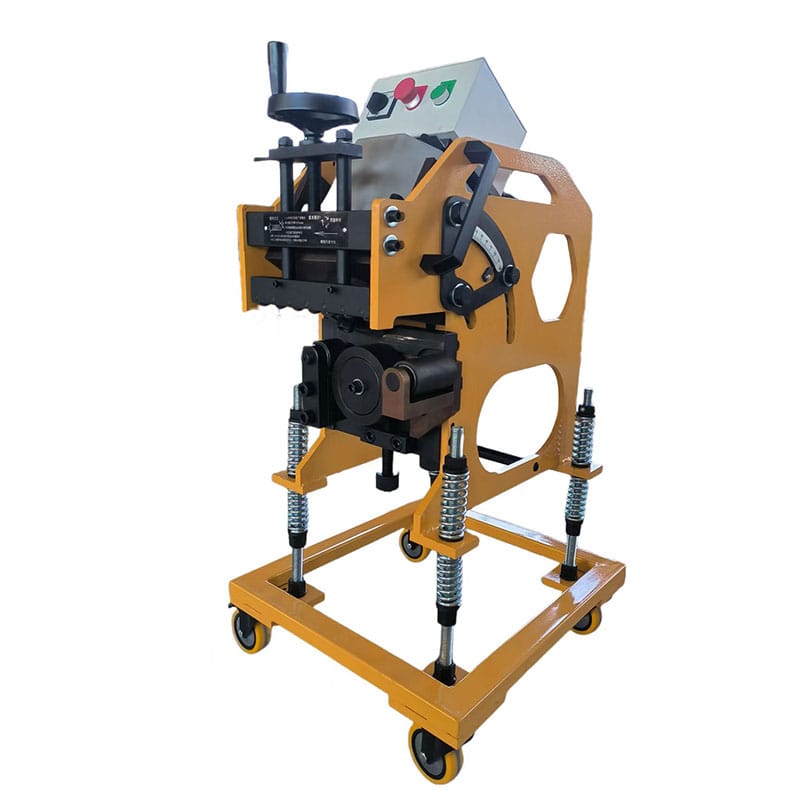
As a plate beveling machines manufacturer, we believe that equipment quality is only one part of the purchasing decision. A reliable supplier should also understand the customer’s production process and provide practical support before and after purchase.
Manufacturing Experience
An experienced manufacturer understands different industry requirements, such as steel structure fabrication, shipbuilding, pressure vessels, and heavy machinery. This experience helps customers choose suitable equipment faster.
Customization Ability
Not every factory has the same production needs. Some customers require special bevel angles, higher plate thickness capacity, longer working life, or integration with existing production lines. A strong manufacturer should be able to offer customized solutions.
Quality Control System
Reliable plate beveling machines require strict quality control. This includes raw material selection, machining accuracy, assembly inspection, motor testing, cutting performance testing, and final machine inspection before delivery.
Technical Support and Training
Good technical support helps customers install, operate, and maintain the machine correctly. Operator training can reduce mistakes, extend machine life, and improve processing results.
Spare Parts Supply
Downtime can be expensive. A dependable manufacturer should provide cutting tools, wearing parts, electrical components, and other spare parts in time. Long-term service support is especially important for overseas buyers.
Maintenance Tips for Plate Beveling Machines
Proper maintenance helps extend the service life of plate beveling machines and keeps beveling quality stable.
Inspect Cutting Tools Regularly
Worn cutters can reduce bevel quality and increase machine load. Operators should check cutting tools regularly and replace them when necessary.
Keep the Machine Clean
Metal chips, dust, and oil can affect machine movement and processing stability. Clean the machine after operation and keep the working area free from excessive debris.
Check Lubrication
Moving parts, guide rails, bearings, and transmission components need proper lubrication. Regular lubrication reduces wear and keeps the machine running smoothly.
Check Bolts and Clamping Parts
Vibration during long-term operation may loosen bolts or clamps. Regular inspection helps prevent accuracy problems and safety risks.
Train Operators
Correct operation is one of the best ways to protect equipment. Operators should understand machine settings, bevel angle adjustment, cutting depth control, and basic troubleshooting.
Common Mistakes When Buying Plate Beveling Machines
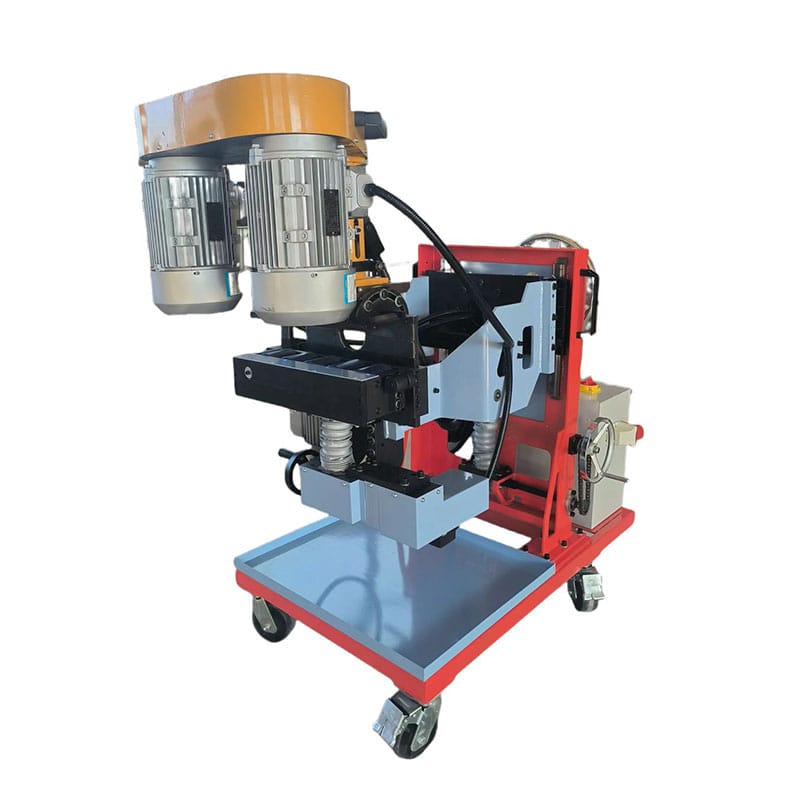
Many buyers focus only on the initial price, but this can lead to higher long-term costs. Here are common mistakes to avoid.
Only Comparing Price
A cheaper machine may have lower stability, shorter tool life, limited processing capacity, or weak after-sales support. For industrial production, total cost of ownership is more important than the purchase price alone.
Ignoring Plate Thickness Range
If the machine cannot handle your actual plate thickness, it may process slowly, wear tools quickly, or produce poor bevel quality. Always confirm both common thickness and maximum thickness requirements.
Overlooking Bevel Angle Requirements
Different welding processes require different bevel angles. Before buying, confirm whether the machine can meet your required angle range and bevel type.
Not Considering Future Production Growth
If your production volume is growing, choosing a machine only for current small orders may limit future capacity. A slightly higher-capacity machine may be more practical for long-term development.
Choosing a Supplier Without Service Support
For overseas buyers, service support matters. A reliable manufacturer should provide clear manuals, operation guidance, spare parts, and technical communication when needed.
Conclusion
Plate beveling machines play an important role in modern steel fabrication. They help manufacturers improve welding preparation, increase production efficiency, reduce manual labor, and achieve more stable edge quality. Whether your business focuses on steel structures, shipbuilding, pressure vessels, pipeline projects, or heavy machinery, choosing the right plate beveling machine can make your production process more reliable and competitive.
As a professional plate beveling machines manufacturer, we provide practical equipment solutions for different plate thicknesses, bevel angles, materials, and production requirements. If you are looking for a steel plate beveling machine, automatic plate beveling machine, portable plate beveling machine, or heavy duty beveling solution, choosing a manufacturer with real production experience and strong service support can help you get better long-term value from your investment.
FAQ
What are plate beveling machines used for?
Plate beveling machines are used to process metal plate edges before welding. They create bevels, chamfers, or grooves that help improve weld penetration, joint strength, and welding preparation quality.
Can plate beveling machines process stainless steel?
Yes, many plate beveling machines can process stainless steel plates. However, the correct cutting tool, machine power, and processing parameters should be selected according to material hardness and plate thickness.
What thickness can plate beveling machines handle?
The thickness capacity depends on the machine model. Portable machines are often used for thinner or medium plates, while heavy duty plate beveling machines are designed for thicker steel plates and industrial applications.
Are automatic plate beveling machines better than manual grinding?
For batch production and high-quality welding preparation, automatic plate beveling machines are usually better. They provide more consistent bevel angles, faster processing speed, and lower labor intensity.
How do I choose a plate beveling machine manufacturer?
You should consider manufacturing experience, machine quality, customization ability, technical support, spare parts supply, and after-sales service. A reliable manufacturer should help you choose a machine based on your actual production needs.