Table of Contents
Introduction

A metal polishing machine is an essential tool for workshops and industrial operations. Whether you work with stainless steel, aluminum, or jewelry, these machines significantly improve surface finish quality and production efficiency. By automating polishing, grinding, and finishing processes, a metal polishing machine ensures consistent results, reduces manual labor, and enhances overall productivity.
As a manufacturer, we design our machines to cater to both small workshops and large industrial operations. High-quality components, reliable motors, and advanced abrasives allow our machines to deliver precision and durability, making them a smart investment for any business involved in metalworking.
Types of Metal Polishing Machines
Choosing the right type of metal polishing machine is crucial. The most common categories include:
- Benchtop Metal Polishing Machines: Ideal for small workshops or hobbyists, compact yet efficient.
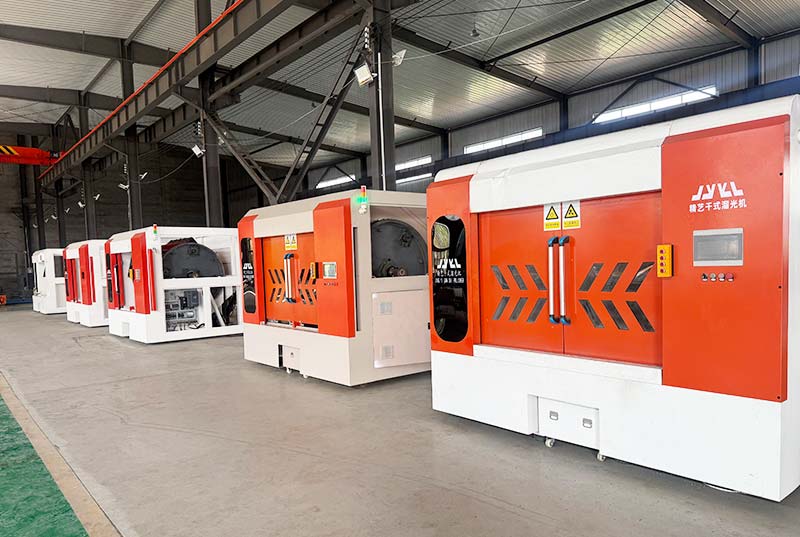
- Industrial Metal Polishing Machines: Heavy-duty machines suitable for large-scale production, capable of handling high volumes of metal workpieces.
- Automatic vs Manual Machines: Automatic machines provide speed and consistency, while manual machines offer flexibility for specialized tasks.
- Specialized Machines: Some models are designed specifically for stainless steel, aluminum, or delicate jewelry polishing.
Each type has unique benefits, and understanding your specific needs will help you choose the perfect solution for your operations.
How Metal Polishing Machines Work
Metal polishing machines operate using a combination of motor speed, pressure, and abrasives to achieve a smooth, reflective surface. The main components include:
- Motor and Drive System: Powers the rotating polishing wheel or belt.
- Polishing Wheel or Belt: The surface that comes in contact with the metal, often combined with abrasives for optimal results.
- Workpiece Holder: Ensures stability during the polishing process.
Different metals require different polishing techniques. For example, stainless steel may need high-speed buffing with fine abrasives, while aluminum can be polished using slower speeds with medium abrasives. Proper adjustment of speed and pressure is essential to prevent damage and achieve the desired finish.
Choosing the Right Metal Polishing Machine
Selecting a metal polishing machine depends on several factors:
- Size and Workspace: Benchtop machines fit limited spaces, while industrial machines require larger areas.
- Material Types: Ensure the machine is compatible with the metals you process most frequently.
- Production Volume: High-volume workshops need machines with larger motors and continuous operation capabilities.
- Budget Considerations: Balancing upfront cost with long-term efficiency is key.
Here is a comparison table for common machine types:
| Machine Type | Ideal Use | Motor Power | Speed (RPM) |
|---|---|---|---|
| Benchtop Metal Polishing | Small workshop, hobbyist | 0.5–1.5 kW | 1,000–3,000 |
| Industrial Metal Polishing | Large workshop, production | 3–7 kW | 1,500–4,500 |
| Automatic Polishing Machine | High-volume operations | 2–5 kW | 2,000–5,000 |
| Manual Metal Polishing | Precision tasks, specialized | 0.5–2 kW | 500–2,500 |
Maintenance and Safety Tips
Proper maintenance ensures your metal polishing machine lasts longer and performs reliably:
- Routine Cleaning: Remove metal dust and debris after each use.
- Lubrication: Keep moving parts properly lubricated to avoid wear.
- Inspection: Regularly check belts, wheels, and motors for signs of damage.
- Safety Precautions: Always wear protective gear, including gloves and goggles. Follow manufacturer guidelines to prevent accidents.
These simple steps will help maintain efficiency and prevent costly downtime.
Comparing Metal Polishing Machines
When choosing between machines, consider these comparisons:
- Industrial vs Benchtop: Industrial machines handle larger workloads and continuous operation, while benchtop machines are compact and ideal for smaller projects.
- Manual vs Automatic: Manual machines allow detailed control for delicate items; automatic machines excel in speed and uniformity.
- Feature Evaluation: Key features include motor power, adjustable speed, interchangeable polishing pads, and built-in safety mechanisms.
Understanding these differences helps you select the most suitable machine for your needs.
Applications of Metal Polishing Machines
Metal polishing machines are versatile tools used in various industries:
- Workshops and Factories: Finishing metal components for automotive, aerospace, and electronics.
- Jewelry Making: Polishing metals to achieve high shine and precision finishes.
- Aluminum and Stainless Steel: Smoothing and buffing surfaces for decorative and functional purposes.
By improving surface quality and consistency, metal polishing machines enhance production efficiency and product aesthetics across all applications.
Tips from a Manufacturer
As a manufacturer, we recommend these tips to maximize performance:
- Use recommended abrasives and polishing pads for each metal type.
- Avoid excessive pressure to prevent surface damage.
- Regularly inspect and maintain the machine to ensure longevity.
- Train operators on proper use and safety procedures.
Investing in the right polishing machine and following these best practices ensures optimal results and reduces operational costs.
Conclusion
Investing in a high-quality metal polishing machine can significantly improve the efficiency, precision, and surface finish of your metal products. By understanding the different types of machines, their applications, and proper maintenance practices, workshop owners and industrial operators can make informed decisions.
As a manufacturer, we design our machines to deliver reliable performance for a variety of metals, from stainless steel to aluminum, ensuring your operations run smoothly and product quality remains high. Selecting the right machine and following best practices will save time, reduce labor costs, and enhance the overall quality of your finished products.
FAQ
1. How do I choose the best metal polishing machine for my workshop?
Consider the type of metal, production volume, machine size, and your budget. Industrial machines suit large-scale operations, while benchtop machines are ideal for small workshops.
2. What maintenance does a metal polishing machine require?
Regular cleaning, lubrication, and inspection of belts, wheels, and motors keep machines running efficiently.
3. Can a metal polishing machine handle different types of metals?
Yes, most machines can polish stainless steel, aluminum, and softer metals, provided you use the correct abrasives and settings.
4. What are the benefits of using an industrial vs benchtop machine?
Industrial machines handle high volumes and continuous work, while benchtop machines are portable, cost-effective, and ideal for smaller projects.
5. Are there safety precautions I should follow when polishing metals?
Always wear protective gear, follow operational guidelines, and ensure proper ventilation when polishing metals.