Table of Contents
Beveling laser cut plate starts with a clearly defined application. The useful starting point is the production decision: what must the equipment deliver, how will the result be checked, and which supporting operations are required? This guide uses YL-PK95 as a relevant Yuanli product reference and separates published specifications from application conditions that require confirmation.
Beveling laser cut plate: the decision to resolve
Laser-cut blanks can arrive with different edge conditions even when their dimensions are correct. Before machining the weld preparation, examine dross, local taper, start points, and surface contamination. Use actual production blanks for the trial instead of a specially prepared sample with a cleaner edge. Record the cutting route and material identification because a future supplier change may alter the starting condition. If additional cleaning is needed, include it in the production route and cost comparison. Mechanical beveling removes material along a defined path, but it does not excuse an unstable workpiece reference or an unverified upstream edge. Validate the finished geometry and cleanliness required by the downstream fabrication process.
Beveling laser cut plate: identify the supplied material precisely
In a beveling laser cut plate review, use the material designation and condition relevant to the actual order. A broad label such as steel or aluminum does not describe all machining and downstream requirements. Keep the material record connected to the plate through storage and handling, and note the manufacturing route that produced the incoming edge. Ask the responsible team to resolve any missing identification before trial approval.
For beveling laser cut plate, the first review should cover cutting-route identification. Provide the equipment and tooling supplier with the information needed to recommend a compatible arrangement. Do not treat a published list of possible materials as approval for every grade, thickness, and surface condition. A documented sample trial provides a more useful basis for planning than a general statement of compatibility.
Beveling laser cut plate: qualify the tool and process combination
In a beveling laser cut plate review, select the tooling with the machine supplier or a qualified tooling specialist using the complete application. The relevant combination includes material condition, required geometry, tool assembly, workpiece support, and operating instructions. Do not copy settings from an unrelated material merely because the required edge looks similar. Record the approved arrangement in a form that can be replenished and reproduced.
For beveling laser cut plate, review local edge taper during the trial. Change one relevant factor at a time when investigating a result, and retain observations about both the tool and finished workpiece. A temporary improvement is not enough to establish a production standard. Repeat the promising arrangement under representative conditions before expanding the approved work range.
Beveling laser cut plate: keep material condition separate from visual appearance
In a beveling laser cut plate review, a clean-looking edge does not establish every requirement for later joining or coating. Identify what the downstream process needs and how those requirements will be verified. The relevant checks may include geometry, cleanliness, surface condition, or material-specific preparation. Use the approved fabrication documentation and responsible specialists to define the acceptance criteria.
The beveling laser cut plate discussion should therefore include plate flatness, not only a photograph of the finished bevel. Where upstream thermal processing or a surface treatment creates an additional question, state it explicitly and obtain a defined preparation route. Mechanical stock removal should not be presented as universal proof that all upstream effects have been eliminated. Keep the claim limited to what the process and inspection actually demonstrate.
Include the normal laser-cut start condition in the sample
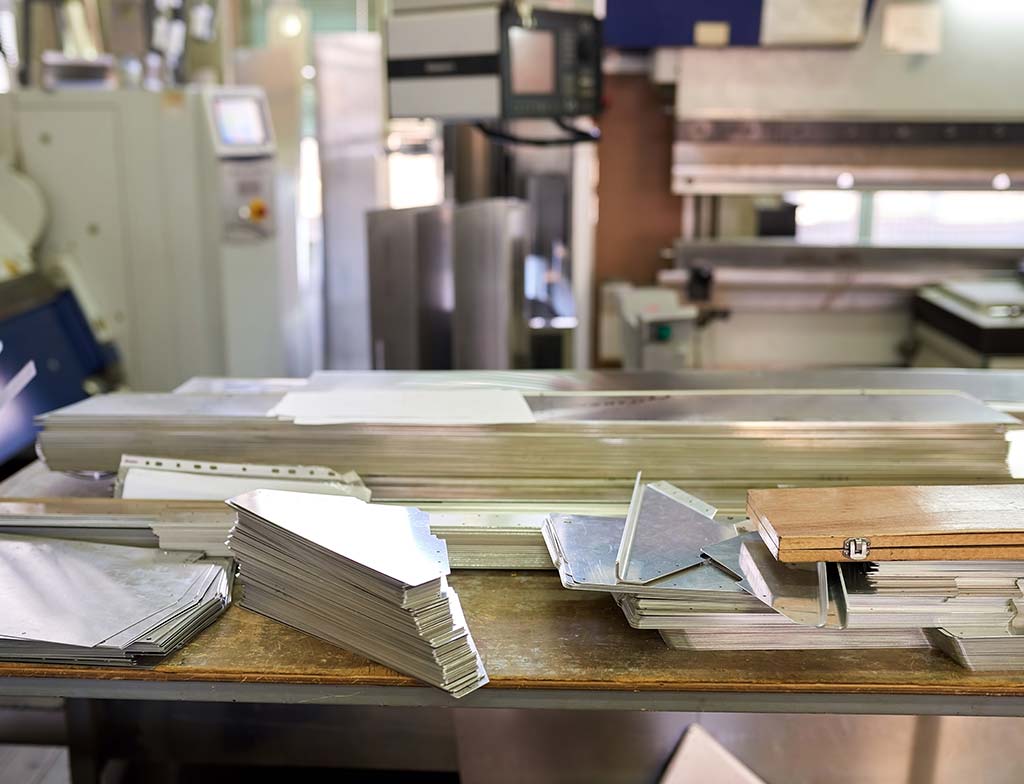
Ask the upstream cutting team for typical production blanks, including the features normally found near cut starts and ends. Label the material and cutting route and retain photographs before any cleaning. The beveling trial should show what preparation is required to establish the approved guiding and machining condition.
If the trial uses a blank that has been specially dressed, record that fact and its labour requirement. Otherwise, the reported cycle may omit work that returns on every production plate. After machining, inspect the specified geometry and the surfaces relevant to the next operation. Keep the approved incoming condition with the route so a later change in blank quality is recognised instead of being treated as an unexplained machine problem.
Beveling laser cut plate: application comparison checklist
Use this beveling laser cut plate checklist to compare a proposal with the required production condition. The rows are discussion and verification points; they are not universal machine settings or guaranteed acceptance limits.
| Review item | Question to resolve | Useful evidence |
|---|---|---|
| Cutting-route identification | Confirm cutting-route identification for the actual workpiece and order. | Annotated drawing, sample identification, or order-specific scope |
| Dross and start points | Keep the requirement for dross and start points identical across the options. | Supplier response with stated conditions and exclusions |
| Local edge taper | Observe local edge taper during the complete proposed work sequence. | Representative trial record, including supporting work |
| Plate flatness | Record plate flatness with an identified sample or configuration. | Repeatable inspection record or signed configuration detail |
| Required pre-cleaning | Assign responsibility for required pre-cleaning before release. | Named owner and agreed deliverable in the handover record |
| Finished-edge acceptance | Revisit finished-edge acceptance when the approved conditions change. | Updated application review with a documented decision |
Beveling laser cut plate: relevant Yuanli equipment
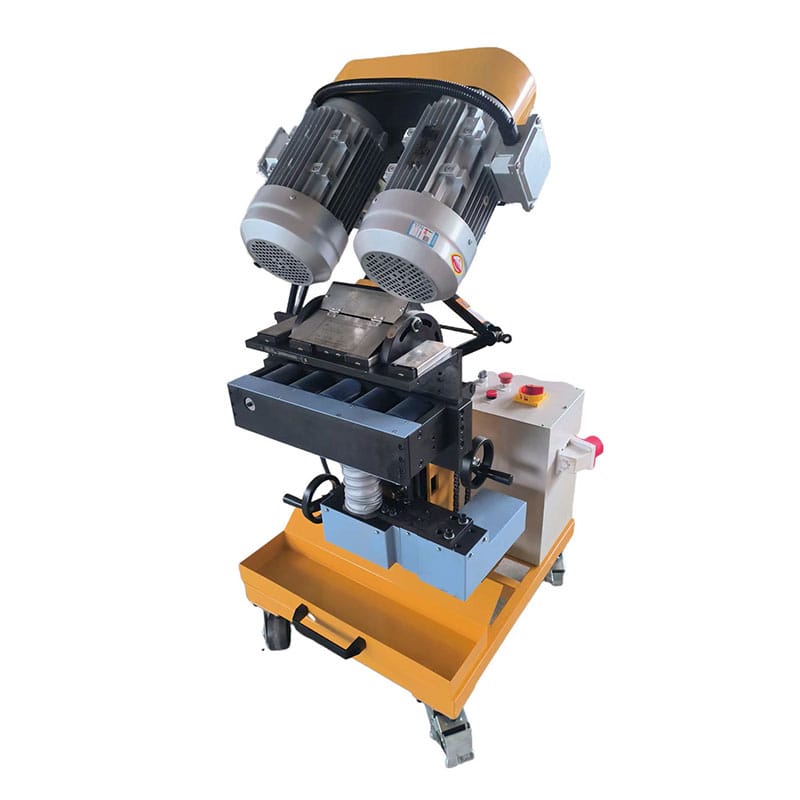
For beveling laser cut plate, the YL-PK95 product page provides a starting reference. Yuanli describes an edge-milling configuration for upper and side bevel preparation, with adjustable height and a floating-lift arrangement. Confirm the delivered configuration and the actual sample result before treating it as an approved production solution.
| Published item | Product-page reference |
|---|---|
| Motor power / power supply | 6,000 W / 380 V / 50 Hz |
| Plate thickness range | 4–95 mm |
| Bevel angle | 0°–75° (adjustable) |
| Groove types | K-, V-, X-, and Y-grooves; upper bevels; 0° side milling |
| Bevel width | 20 mm per pass; up to 70 mm with multiple passes |
| Machine weight / dimensions | Approx. 300 kg / 0.7 × 0.7 × 1.5 m |
Published limits describe reference specifications; they do not establish that every maximum can be used simultaneously. Confirm the material, geometry, tooling, support, and delivered options for the intended job.
Beveling laser cut plate: prepare a technical enquiry
A useful beveling laser cut plate enquiry combines the workpiece drawing, material identification, incoming condition, expected order pattern, and the acceptance requirements. Add photographs that show the relevant geometry, with dimensions or an identified reference where needed. Include cutting-route identification and finished-edge acceptance explicitly so the supplier can respond to the actual decision.
Compare the model above with the Yuanli beveling machine range. Ask which proposed conditions have already been demonstrated and which require samples. If the scope changes during discussion, update the enquiry and keep the revised requirements with the quotation.
For terminology used in joint cross-sections, see the TWI explanation of weld-joint preparation geometry; the applicable joint dimensions still come from the approved fabrication drawing and procedure. For related Yuanli guidance, review the existing groove-inspection guide.
Ready to discuss beveling laser cut plate for your production line? Contact Yuanli with the application package above and request a configuration review, sample-trial scope, and quotation. Use the enquiry form below to describe the job and the result you need.
Frequently asked questions
What should be defined first for beveling laser cut plate?
Start with cutting-route identification and dross and start points. Connect them to the actual drawing, workpiece condition, and required result. The relevant model can then be evaluated against a specific application instead of a general product description.
Which evidence is useful when reviewing beveling laser cut plate?
Request an identified sample or configuration record covering local edge taper and plate flatness. Preserve the method, observations, and any deviations. A selected photograph or a single nominal specification cannot replace the complete agreed verification.
Is YL-PK95 automatically suitable for this application?
No. The YL-PK95 page is a product reference for the beveling laser cut plate discussion. Suitability depends on the material, complete geometry, required output, supplied configuration, and the representative evidence accepted by the buyer and supplier.
Can beveling laser cut plate be approved from a catalogue alone?
A catalogue can support initial screening, but it does not establish every condition of the intended job. Resolve required pre-cleaning and finished-edge acceptance before release. Use a representative trial whenever the required result or supporting method remains uncertain.
What should I send Yuanli about beveling laser cut plate?
Send the relevant drawing, material and incoming-condition details, expected quantities, and the acceptance criteria. Identify cutting-route identification, local edge taper, and any unresolved constraint. Request a written response with the recommended configuration and any conditions requiring a sample trial.