Table of Contents
Introduction
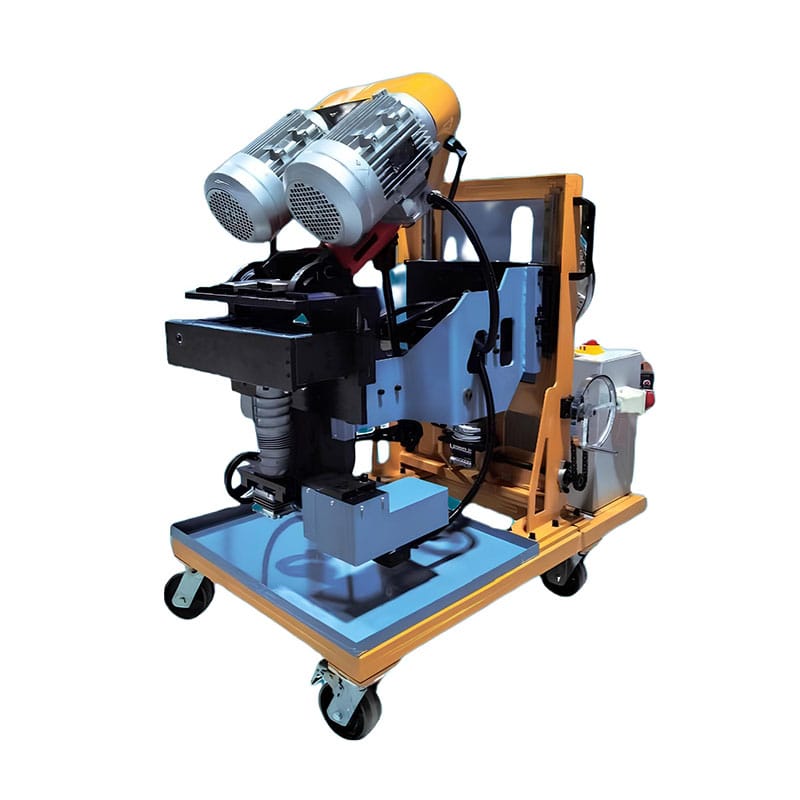
In modern metal fabrication, precision is no longer optional. Industries such as shipbuilding, pressure vessel production, steel structure engineering, and pipeline manufacturing all require accurate edge preparation before welding. This is where an edge bevelling machine becomes a critical piece of equipment.
As a professional manufacturer of edge bevelling machines, we develop equipment designed to improve welding quality, increase production efficiency, and reduce manual labor dependency. In today’s competitive fabrication environment, automated edge preparation has become a standard rather than an option.
Edge bevelling technology replaces traditional manual grinding and flame cutting methods, delivering consistent bevel angles, smoother surfaces, and higher repeatability for industrial applications.
What Is an Bevelling Machine and Its Core Function?
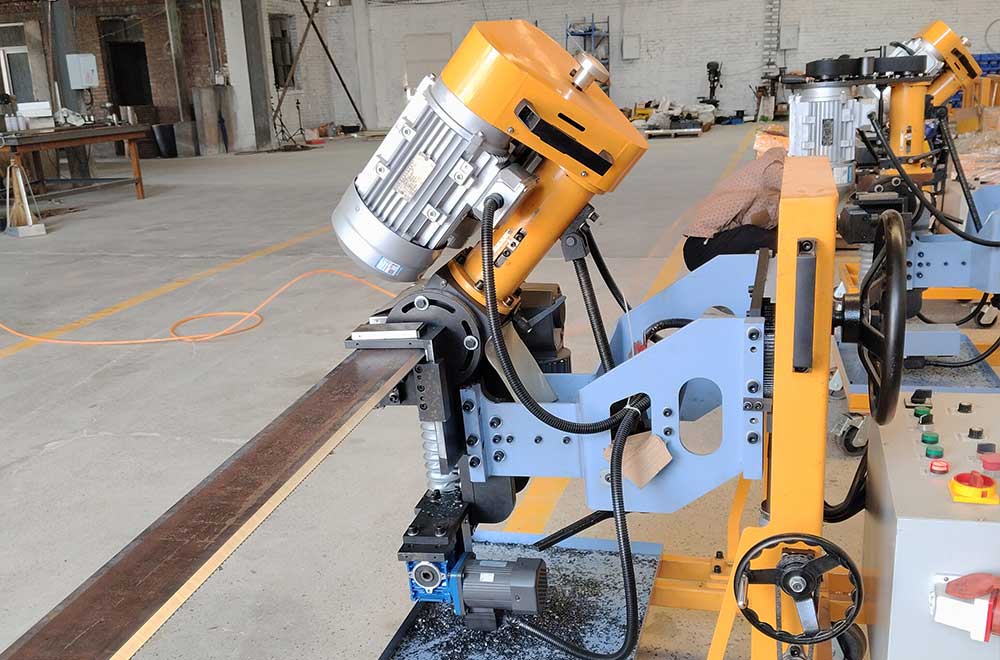
An bevelling machine is an industrial device used to process metal plate edges by creating a precise bevel or chamfer angle before welding.
Its main function is to prepare metal edges so that welding joints achieve:
- Better penetration
- Stronger bonding strength
- Reduced welding defects
- Improved structural reliability
Unlike manual grinding tools, a plate bevelling machine ensures consistency across large-scale production.
It is widely used for:
- Steel plates
- Stainless steel sheets
- Carbon steel structures
- Heavy industrial components
The core goal is simple: create a clean, accurate edge for high-quality welding preparation.
Working Principle of Edge Bevelling Machine
The working process of an edge bevelling machine is based on controlled mechanical cutting and precision feeding systems.
Key operational steps include:
- The steel plate is securely clamped or guided
- Cutting tools (milling heads or carbide cutters) rotate at high speed
- The machine feeds the plate automatically or semi-automatically
- Material is removed at a controlled angle to form the bevel surface
Modern machines may include:
- Hydraulic drive systems for heavy-duty operation
- Electric servo systems for precision control
- CNC automation for complex bevel angles
This ensures high efficiency while maintaining stable machining quality.
Main Types of Edge Bevelling Machines
Different industrial needs require different machine configurations. Below is a comparison of common types:
| Type | Description | Application |
|---|---|---|
| Automatic Edge Bevelling Machine | Fully automated feeding and cutting system | Mass production lines |
| Portable Edge Bevelling Machine | Compact and mobile design | On-site repair and small workshops |
| CNC Edge Bevelling Machine | Computer-controlled precision system | High-end fabrication industries |
| Heavy Duty Plate Bevelling Machine | Designed for thick steel plates | Shipbuilding, steel structures |
| Straight Line Bevelling Machine | Linear edge processing | Standard plate preparation |
Each type serves a specific production requirement depending on plate thickness, bevel angle, and output volume.
Key Applications in Metal Fabrication Industries
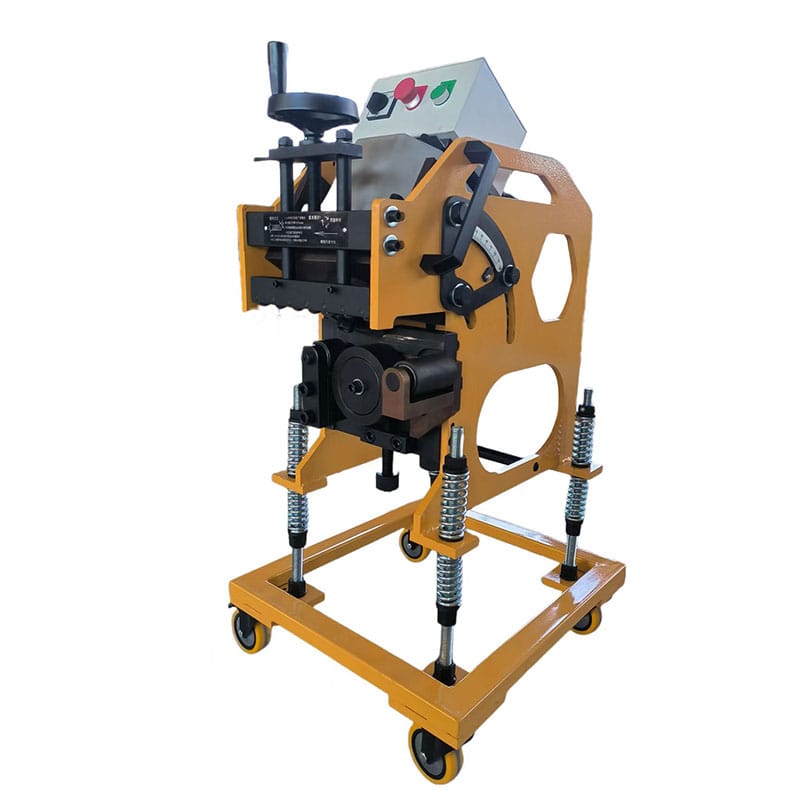
The use of bevelling machines spans across multiple heavy industries:
- Shipbuilding: Hull plate welding preparation
- Pressure vessel manufacturing: High-strength joint formation
- Pipeline construction: Beveling pipe ends for welding connection
- Steel structure engineering: Beam and column edge preparation
- Boiler manufacturing: Heat-resistant joint processing
In all these sectors, edge quality directly impacts welding performance and structural safety.
Why Bevelling Machine Is Essential for Welding Preparation
Welding quality is heavily influenced by edge preparation. A poorly prepared edge can lead to weak joints, cracks, or welding failure.
Using an edge bevelling machine helps achieve:
- Stable bevel angle consistency
- Improved weld penetration depth
- Reduced filler material consumption
- Lower defect and rework rates
- Higher production efficiency
In industrial fabrication, this translates directly into cost savings and improved product reliability.
Edge Bevelling Machine Manufacturing Process (Factory Perspective)
As a manufacturer, the production of an edge bevelling machine involves strict engineering and quality control processes.
Key stages include:
- Material selection for machine body (high-strength steel frame)
- CNC machining for precision components
- Assembly of cutting head and feeding system
- Installation of hydraulic or electric drive systems
- Calibration and accuracy testing
- Final load testing before shipment
We also provide OEM and customized solutions for different industrial requirements, including special bevel angles and plate thickness capacities.
How to Choose the Right Edge Bevelling Machine for Your Project
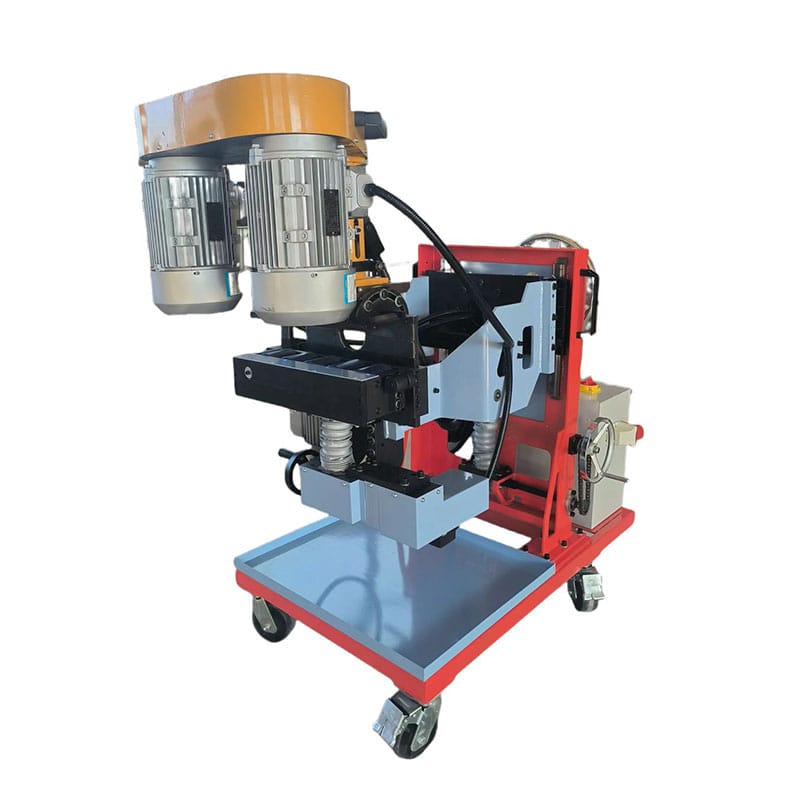
Selecting the correct machine depends on multiple technical and operational factors.
Key considerations include:
- Plate thickness range
- Required bevel angle (e.g., 0°–60° adjustable systems)
- Automation level (manual, semi-auto, full automatic)
- Material type (carbon steel, stainless steel, alloy steel)
- Production volume requirements
- Maintenance accessibility
Choosing the right configuration ensures better efficiency and longer machine lifespan.
Edge Bevelling Machine Maintenance and Operational Tips
Proper maintenance ensures stable long-term performance.
Recommended practices:
- Regular lubrication of moving parts
- Inspection of cutting tools and replacement when worn
- Cleaning of metal chips after operation
- Monitoring hydraulic system pressure (if applicable)
- Avoiding overloading beyond machine capacity
Good maintenance reduces downtime and improves cutting accuracy.
Advantages of Buying Directly from a Manufacturer
Purchasing directly from a factory provides significant advantages:
- Factory-direct pricing without intermediaries
- Custom engineering solutions for specific industries
- Faster technical support and spare parts supply
- OEM/ODM production capabilities
- Long-term cooperation and stable supply chain
For global buyers, working with a manufacturer ensures better control over product quality and delivery reliability.
Edge Bevelling Machine Price Factors and Cost Structure
The price of an edge bevelling machine depends on several technical and commercial factors:
| Factor | Impact on Cost |
|---|---|
| Automation level | Higher automation increases cost |
| Cutting capacity | Thicker plates require stronger machines |
| Machine size | Larger models cost more |
| CNC integration | Advanced control systems increase price |
| Customization | OEM designs affect final pricing |
In most cases, investing in a higher-quality machine provides better long-term ROI due to reduced maintenance and higher productivity.
Global Market Demand for Bevelling Machines
The demand for bevelling machines continues to grow globally due to:
- Expansion of infrastructure projects
- Increased steel structure construction
- Growth in shipbuilding and energy sectors
- Automation in metal fabrication workshops
- Rising quality standards in welding engineering
This trend creates strong opportunities for industrial equipment manufacturers and suppliers.
Why Choose Our Edge Bevelling Machine Manufacturing Solutions
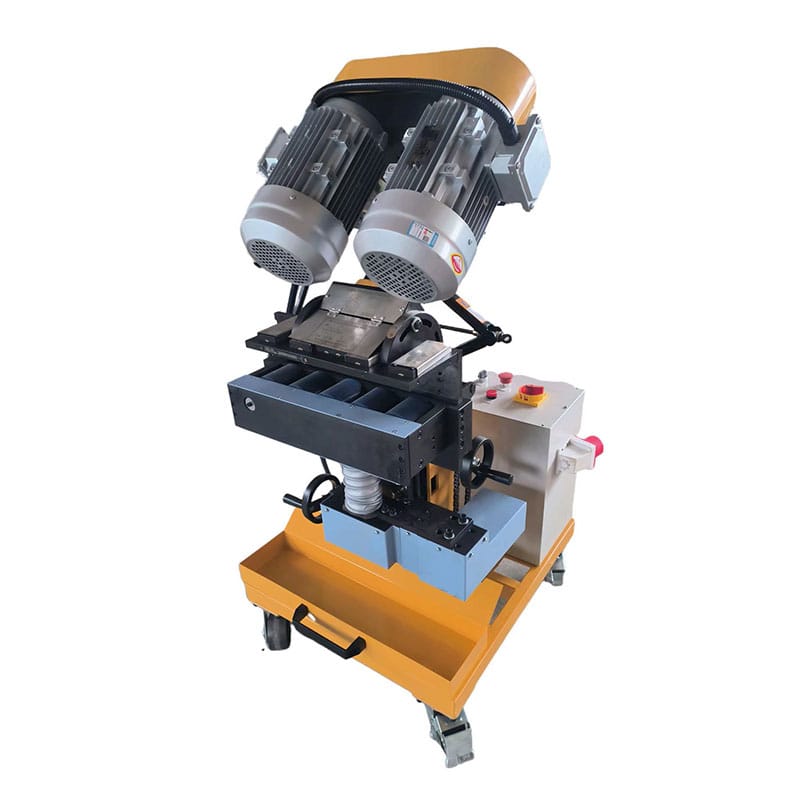
As a dedicated manufacturer, we focus on delivering industrial-grade solutions tailored to real production needs.
Our advantages include:
- Advanced CNC and precision machining capabilities
- Strict quality inspection standards
- Custom machine design based on client requirements
- Stable export experience to global markets
- Professional engineering and after-sales support
We aim to provide reliable edge bevelling machine solutions that improve productivity and meet international fabrication standards.
Conclusion
The edge bevelling machine plays a vital role in modern metal fabrication, especially in industries requiring high-strength and precision welding. From steel plate preparation to complex industrial structures, it ensures consistent edge quality and improved welding performance.
For manufacturers and fabrication companies, choosing the right machine is not just a purchase decision—it directly impacts production efficiency, product quality, and long-term operational costs.
Working with a professional edge bevelling machine manufacturer ensures better customization, stable performance, and stronger technical support, helping businesses stay competitive in the global industrial market.
FAQ
What is an edge bevelling machine used for?
An edge bevelling machine is used to prepare metal plate edges before welding by creating precise bevel angles. It improves weld penetration, reduces defects, and ensures stronger joint performance in steel fabrication.
What materials can an edge bevelling machine process?
It can process a wide range of metals, including carbon steel, stainless steel, alloy steel, and heavy steel plates. It is commonly used in shipbuilding, pressure vessels, pipelines, and structural steel fabrication.
What is the difference between an edge bevelling machine and manual grinding?
Compared to manual grinding, an edge bevelling machine provides higher accuracy, consistent bevel angles, faster processing speed, and significantly lower labor costs, making it more suitable for industrial production.
How do I choose the right bevelling machine?
You should consider plate thickness, bevel angle range, material type, production volume, and automation level. For large-scale manufacturing, automatic or CNC bevelling machines are usually recommended.
Can an edge bevelling machine be customized?
Yes, most manufacturers offer OEM and customized solutions. Machines can be designed based on specific bevel angles, plate sizes, production requirements, and industry applications.