Table of Contents
Beveling plasma cut plate starts with a clearly defined application. A practical review connects the actual workpiece with an agreed acceptance method. Catalogue figures become useful only after that connection is clear. This guide uses YL-PKFZ95 as a relevant Yuanli product reference and separates published specifications from application conditions that require confirmation.
Beveling plasma cut plate: the decision to resolve
A plasma-cut edge should be evaluated as an incoming process condition rather than treated as equivalent to a freshly milled edge. Inspect adherent material, uneven sections, and any condition that prevents stable guiding or clamping. The responsible fabrication team should define whether the previous thermal process requires further assessment for the intended joint. A mechanical finishing pass is not by itself proof that every affected layer has been removed. Specify the required preparation allowance and test it on representative blanks. Include cleaning time and cutter consumption in the comparison so the chosen route reflects the actual work arriving at the beveling cell.
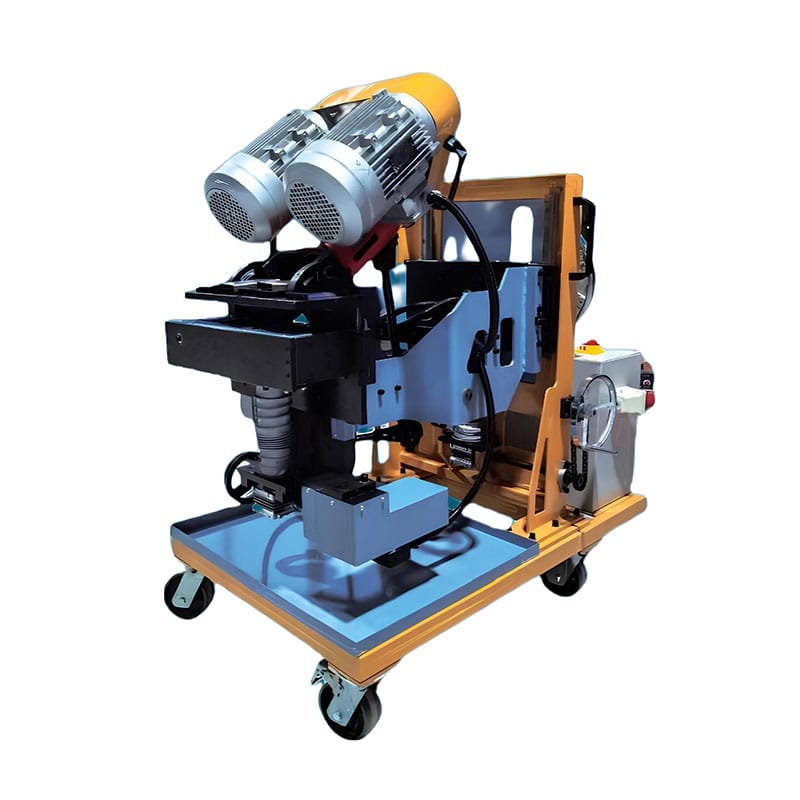
Beveling plasma cut plate: assess the incoming edge and contact surfaces
In a beveling plasma cut plate review, look beyond the face that will be removed. The surfaces used for support, clamping, or guiding need to allow the approved machine operation. Identify adherent material, local irregularities, contamination, and interruptions that may affect contact. Establish which conditions are acceptable and which require a separate preparation step before the plate enters the cell.
A beveling plasma cut plate plan should address adherent material using representative production blanks. A specially cleaned demonstration sample can hide work that will recur on every normal order. Photograph the starting condition and include any preparation labour in the process route. If the incoming edge varies significantly between suppliers or batches, maintain separate evidence rather than averaging those conditions into one optimistic assumption.
Beveling plasma cut plate: keep material condition separate from visual appearance
In a beveling plasma cut plate review, a clean-looking edge does not establish every requirement for later joining or coating. Identify what the downstream process needs and how those requirements will be verified. The relevant checks may include geometry, cleanliness, surface condition, or material-specific preparation. Use the approved fabrication documentation and responsible specialists to define the acceptance criteria.
The beveling plasma cut plate discussion should therefore include stable guiding surface, not only a photograph of the finished bevel. Where upstream thermal processing or a surface treatment creates an additional question, state it explicitly and obtain a defined preparation route. Mechanical stock removal should not be presented as universal proof that all upstream effects have been eliminated. Keep the claim limited to what the process and inspection actually demonstrate.
Beveling plasma cut plate: design a changeover that protects the next job
In a beveling plasma cut plate review, a workshop processing several material families needs a practical method for identifying tooling, supports, cleaning materials, and inspection equipment. Determine which items may be shared and which need separation for the application. Label the released arrangement so a changeover does not depend on one experienced person's memory. Include the required cleaning and inspection work in the production schedule.
For beveling plasma cut plate, evaluate tool consumption during trial after a representative transition between jobs. The first part after changeover can reveal a problem that a long uninterrupted demonstration misses. Record what was changed, which parts were used, and how the result was released. This creates evidence for a repeatable transition without imposing an unsupported universal rule on every material combination.
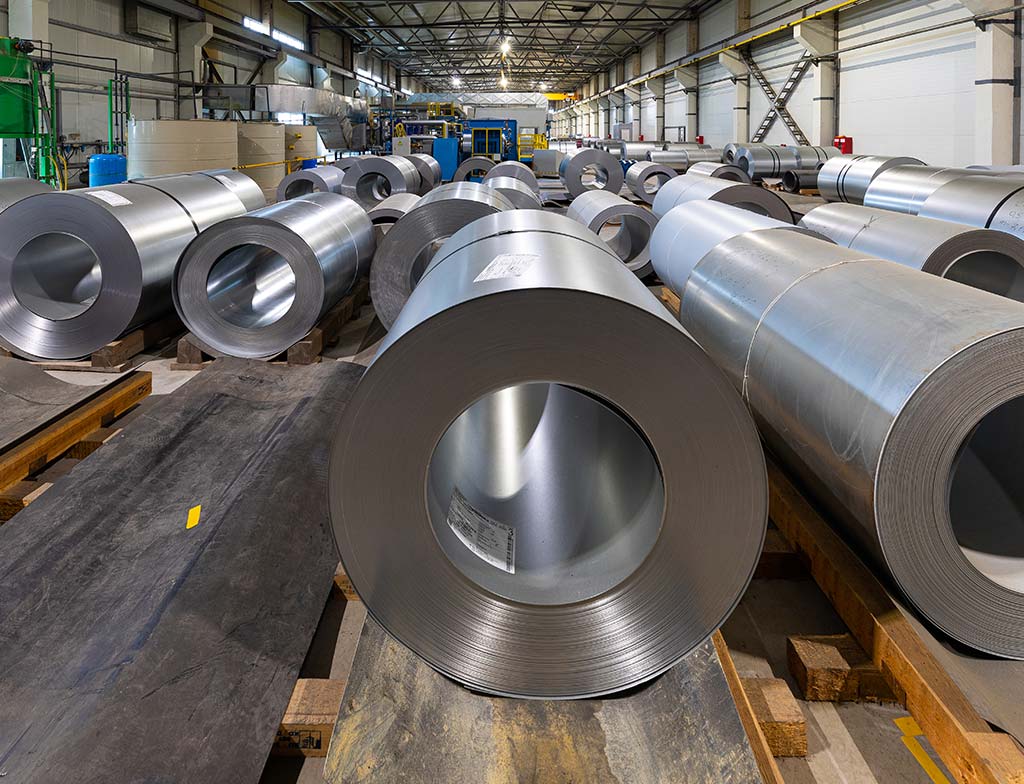
Separate upstream preparation from the machining result
Create two inspection entries: the condition accepted into the beveling cell and the condition released from it. The first identifies the plasma-cut surface and any required preparation. The second records the finished drawing requirements. This prevents a successful-looking final edge from obscuring how much preliminary work was needed.
Where the intended fabrication requires assessment of the prior thermal process, obtain the responsible team's preparation requirement before choosing the removal allowance. Do not assume that one arbitrary finishing pass proves adequate treatment. Trial representative blanks and record the tooling and supporting work. The cost comparison should include the complete route from the actual incoming edge, including any rejected or separately routed condition.
Beveling plasma cut plate: application comparison checklist
Use this beveling plasma cut plate checklist to compare a proposal with the required production condition. The rows are discussion and verification points; they are not universal machine settings or guaranteed acceptance limits.
| Review item | Question to resolve | Useful evidence |
|---|---|---|
| Incoming cut quality | Confirm incoming cut quality for the actual workpiece and order. | Annotated drawing, sample identification, or order-specific scope |
| Adherent material | Keep the requirement for adherent material identical across the options. | Supplier response with stated conditions and exclusions |
| Preparation allowance | Observe preparation allowance during the complete proposed work sequence. | Representative trial record, including supporting work |
| Stable guiding surface | Record stable guiding surface with an identified sample or configuration. | Repeatable inspection record or signed configuration detail |
| Tool consumption during trial | Assign responsibility for tool consumption during trial before release. | Named owner and agreed deliverable in the handover record |
| Downstream inspection requirement | Revisit downstream inspection requirement when the approved conditions change. | Updated application review with a documented decision |
Beveling plasma cut plate: relevant Yuanli equipment
For beveling plasma cut plate, the YL-PKFZ95 product page provides a starting reference. Yuanli describes a reversible, self-propelled milling configuration for upper and lower bevel preparation, with floating height adjustment. Confirm the delivered configuration and the actual sample result before treating it as an approved production solution.
| Published item | Product-page reference |
|---|---|
| Motor power / power supply | 6,000 W / 380 V / 50 Hz |
| Plate thickness range | 4–95 mm |
| Bevel angle | 0°–75° (adjustable) |
| Groove types | K-, V-, X-, and Y-grooves; upper and lower bevels; 0° side milling |
| Bevel width | 20 mm per pass; up to 65 mm with multiple passes |
| Machine weight / dimensions | Approx. 450 kg / 1.0 × 1.0 × 1.5 m |
Published limits describe reference specifications; they do not establish that every maximum can be used simultaneously. Confirm the material, geometry, tooling, support, and delivered options for the intended job.
Beveling plasma cut plate: prepare a technical enquiry
A useful beveling plasma cut plate enquiry combines the workpiece drawing, material identification, incoming condition, expected order pattern, and the acceptance requirements. Add photographs that show the relevant geometry, with dimensions or an identified reference where needed. Include incoming cut quality and downstream inspection requirement explicitly so the supplier can respond to the actual decision.
Compare the model above with the Yuanli beveling machine range. Ask which proposed conditions have already been demonstrated and which require samples. If the scope changes during discussion, update the enquiry and keep the revised requirements with the quotation.
For terminology used in joint cross-sections, see the TWI explanation of weld-joint preparation geometry; the applicable joint dimensions still come from the approved fabrication drawing and procedure. For related Yuanli guidance, review the existing groove-inspection guide.
Ready to discuss beveling plasma cut plate for your production line? Contact Yuanli with the application package above and request a configuration review, sample-trial scope, and quotation. Use the enquiry form below to describe the job and the result you need.
Frequently asked questions
What should be defined first for beveling plasma cut plate?
Start with incoming cut quality and adherent material. Connect them to the actual drawing, workpiece condition, and required result. The relevant model can then be evaluated against a specific application instead of a general product description.
Which evidence is useful when reviewing beveling plasma cut plate?
Request an identified sample or configuration record covering preparation allowance and stable guiding surface. Preserve the method, observations, and any deviations. A selected photograph or a single nominal specification cannot replace the complete agreed verification.
Is YL-PKFZ95 automatically suitable for this application?
No. The YL-PKFZ95 page is a product reference for the beveling plasma cut plate discussion. Suitability depends on the material, complete geometry, required output, supplied configuration, and the representative evidence accepted by the buyer and supplier.
Can beveling plasma cut plate be approved from a catalogue alone?
A catalogue can support initial screening, but it does not establish every condition of the intended job. Resolve tool consumption during trial and downstream inspection requirement before release. Use a representative trial whenever the required result or supporting method remains uncertain.
What should I send Yuanli about beveling plasma cut plate?
Send the relevant drawing, material and incoming-condition details, expected quantities, and the acceptance criteria. Identify incoming cut quality, preparation allowance, and any unresolved constraint. Request a written response with the recommended configuration and any conditions requiring a sample trial.